Hot-weather hikes demand more than a lightweight bag. The best pack keeps water accessible, limits sweaty contact with your back, and carries essentials without adding unnecessary bulk.
We selected 10 hiking backpacks for hot weather across hydration vests, compact daypacks, packable designs, and larger rain-ready models, so you can match capacity and comfort to your usual routes.
Best 10 Hiking Backpacks for Hot Weather Picks for 2026
Cold-Water Comfort
Teton Oasis Trailrunner Hydration Backpack
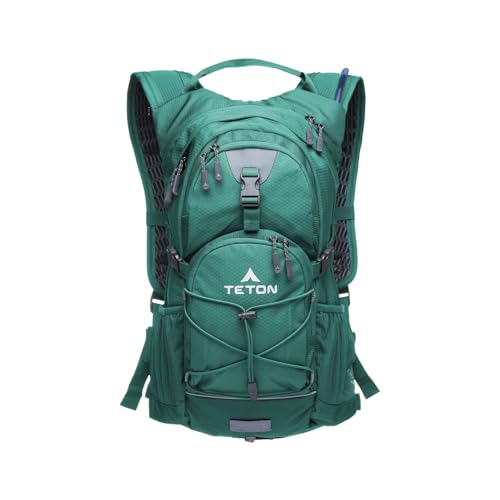
- 2-liter bladder with insulated pocket
- Breathable, adjustable shoulder straps
- Rain cover and 18L organized storage
Best For: Day hikers who prioritize built-in hydration and weather protection
Ultralight Hauler
MIYCOO 35L Packable Hiking Daypack

- 12.8-ounce foldable design
- Large 35L capacity with wet compartment
- Water-resistant fabric and reinforced stress points
Best For: Travelers and hikers needing a lightweight, high-capacity backup pack
Cool-Back Hydration
Lightweight 12L Running Backpack

- 8.5-ounce pack with 2L bladder
- Soft air-mesh back promotes airflow
- Adjustable fit with multiple small pockets
Best For: Fast-moving hikers, runners, and cyclists carrying minimal gear
Ventilated Trail Organizer
Haimont 25L Lightweight Hiking Daypack

- Breathable back panel for warm-weather comfort
- 25L capacity with seven pockets
- Hydration sleeve and hidden rain cover
Best For: Day hikers wanting organized storage and ventilation without a bulky pack
Best Hydration Value

- 2L BPA-free bladder included
- Ventilated mesh shoulder straps
- Insulated bladder pocket
Best For: Short hikes, cycling, and running with hands-free hydration
Best Packable Daypack
G4Free 20L Lightweight Backpack
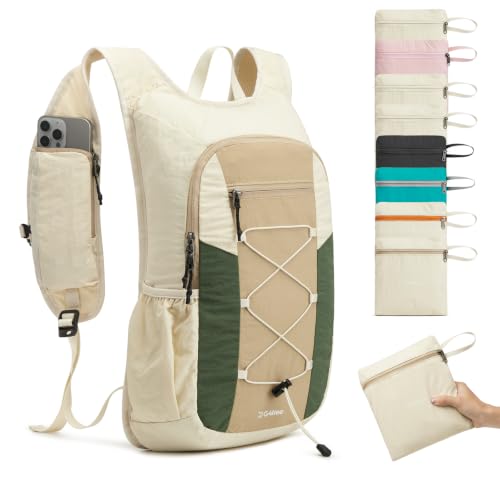
- Folds into its own pocket
- Lightweight 20L capacity
- Breathable adjustable mesh straps
Best For: Travel and lightweight day hikes
Best Lightweight Pick
14L Breathable Packable Daypack

- 0.68-pound foldable nylon design
- Breathable straps and quick-access pockets
- 2L bladder compatible; bladder not included
Best For: Short hikes, cycling, commuting, and warm-weather day trips
Best for Extended Day Hikes

- Spacious 40L capacity with 15 pockets
- Waterproof fabric and included rain cover
- Hydration routing and load-support features
Best For: Longer day hikes, camping, fishing, and gear-heavy trips
Best Ultralight Backup
4Monster Packable Hiking Daypack

- Only 4 ounces and folds wallet-size
- Water-resistant 30D nylon construction
- Main, front, and mesh side pockets
Best For: Minimalist day trips, travel backups, and light outdoor use
Cold-Water Comfort – Teton Oasis Trailrunner Hydration Backpack
For hikers choosing hiking backpacks for hot weather, the Teton Oasis Trailrunner emphasizes accessible hydration and ventilation. It includes a 2-liter bladder, an insulated bladder pocket, breathable mesh-covered shoulder straps, and 18 liters of storage for trail layers and essentials.
Best For: Day hikers and active users who want built-in hydration, organized storage, and weather-ready features.
Pros:
- Includes a 2-liter bladder with a wide opening for adding ice and cleaning.
- Insulated bladder pocket is designed to help keep water cold for hours.
- Breathable mesh shoulder straps and an adjustable athletic fit support comfortable carrying.
- Sewn-in rain cover, weather-guarded zippers, and a bungee cord system add trail utility.
Cons:
- At 2 pounds, it is heavier than the ultralight options in this roundup.
- The 18-liter capacity may be limiting for users who need more than day-hike storage.
The Teton stands out when cold water and hydration convenience matter more than minimum pack weight. Its included bladder, rain cover, and organized 18-liter layout make it a versatile choice for warm-weather outings.
Ultralight Hauler – MIYCOO 35L Packable Hiking Daypack
The MIYCOO is a practical pick among hiking backpacks for hot weather when low carry weight and extra capacity are priorities. It weighs 12.8 ounces, packs into its own pocket, and expands to 35 liters with multiple compartments for clothing, food, and travel gear.
Best For: Travelers and hikers who want a lightweight backup pack with substantial storage and packable convenience.
Pros:
- Very light at 12.8 ounces and folds into a compact inner-pocket bundle.
- 35-liter capacity provides more room than typical small hydration packs.
- Three compartments, five pockets, and a wet compartment support gear organization.
- Water-resistant fabric, reinforced stress points, and upgraded zippers suit everyday outdoor use.
Cons:
- It is water-resistant to IPX4 rather than described as fully waterproof.
- The supplied notes do not mention a ventilated back panel or included hydration bladder.
Choose the MIYCOO if packability and volume are more important than specialized hydration features. Its lightweight design is especially useful for travel, spontaneous hikes, or carrying extra purchases on the way home.
Cool-Back Hydration – Lightweight 12L Running Backpack
For hiking backpacks for hot weather, this lightweight hydration pack focuses on airflow and quick access to water. The 8.5-ounce nylon pack includes a 2-liter bladder, a soft air-mesh back, adjustable straps, and several small storage areas for active outings.
Best For: Runners, cyclists, and hikers who want a lightweight hydration-focused pack for shorter adventures.
Pros:
- Extremely light at 8.5 ounces while still including a 2-liter water bladder.
- Soft air-mesh back is designed to improve airflow and help keep the back cool.
- Adjustable shoulder, chest, and waist fit supports a range of adult users.
- Waterproof, tear-resistant nylon and multiple small pockets keep essentials accessible.
Cons:
- The 12-liter capacity offers less space than larger daypacks.
- The storage layout is better suited to essentials than bulky layers or camping gear.
This pack is a strong match for fast-moving, warm-weather activities where every ounce matters. Its included bladder and ventilated back make it more specialized for hydration than general-purpose carrying.
Ventilated Trail Organizer – Haimont 25L Lightweight Hiking Daypack
The Haimont 25L is a balanced option among hiking backpacks for hot weather, combining a breathable back panel with useful day-hike capacity. It offers hydration-bladder compatibility, seven pockets, trekking-pole loops, and a hidden rain cover for changing trail conditions.
Best For: Day hikers who need organized storage, hydration compatibility, and a comfortable carry for variable weather.
Pros:
- Breathable back panel helps reduce sweat buildup in warm conditions.
- 25-liter capacity accommodates layers, snacks, water, and trail basics.
- Hydration sleeve, tube routing, trekking-pole loops, and side hanging points support trail use.
- Hidden rain cover, reflective details, and reinforced stress points add practical durability.
Cons:
- The hydration bladder is not listed as included.
- At 1.2 pounds, it is heavier than the 8.5-ounce hydration pack.
The Haimont offers a useful middle ground between a compact hydration pack and a larger travel daypack. Its ventilated back and organized 25-liter layout make it well suited to warm-weather day hikes with varied gear needs.
Best Hydration Value – MIYCOO 2L Hydration Backpack
For hikers who prioritize easy hydration in warm conditions, the MIYCOO is a compact option among hiking backpacks for hot weather. Its ventilated mesh shoulder straps promote airflow, while the included 2L bladder and insulated pocket support longer outings.
Best For: Day hikes, cycling, running, and other activities where hands-free hydration and light storage matter.
Pros:
- Includes a 2L BPA-free, odorless hydration bladder.
- Insulated bladder pocket can help keep water cold for up to four hours when used with an ice pack.
- Breathable mesh straps, adjustable fit, and dual shoulder phone pockets.
- Five pockets and an elastic cord provide room for small essentials and extra gear.
Cons:
- Its 10-liter capacity is better suited to essentials than bulky hiking gear.
- The notes do not specify a water-resistance rating for the backpack itself.
The MIYCOO is a practical choice when hydration is the priority. It offers useful cooling-oriented features and organized storage without the bulk of a larger daypack.
Best Packable Daypack – G4Free 20L Lightweight Backpack
The G4Free 20L is a flexible pick among hiking backpacks for hot weather, especially when you need a lightweight daypack that can be stowed when not in use. Mesh shoulder straps support airflow, and the pack folds into its own inner pocket for travel convenience.
Best For: Travel, day hikes, cycling, and casual outdoor use when packability and general organization are more important than built-in hydration.
Pros:
- Weighs 0.64 pounds and folds down to a compact size.
- 20-liter capacity with a main compartment, front pocket, side pockets, and interior organization.
- Water-repellent Taslan nylon helps handle light rain and abrasions.
- Adjustable mesh straps, an adjustable chest strap, and convenient shoulder pockets.
Cons:
- No water bladder is included, so hydration must be carried separately.
- The lightweight construction and 20L design may not suit heavy loads or extended trips.
Choose the G4Free if you want a versatile, compressible pack for warm-weather day trips. Its storage layout is useful, but hikers seeking integrated hydration may prefer a dedicated hydration vest or backpack.
Best Active Cooling – SAVIOR COOL Cooling Hydration Vest
The SAVIOR COOL stands out among hiking backpacks for hot weather by combining hands-free hydration with three removable cooling packs. Its quick-dry mesh back, adjustable support system, and moisture-barrier pockets are designed for active use in hot and humid conditions.
Best For: Hot-weather hiking, running, cycling, and training where targeted cooling and bounce control are priorities.
Pros:
- Includes a 2L BPA-free TPU bladder and three removable cooling packs.
- Cooling-pack pockets allow adjustable placement for stronger or milder cooling.
- Quick-dry mesh back, breathable stretch fabric, wide straps, chest strap, and waist belt support active movement.
- Five pockets, reflective trim, and storage for small essentials improve trail and training practicality.
Cons:
- Cooling packs must be frozen before use and add preparation time.
- The 2L capacity and vest-style format are intended for essentials rather than large loads.
This is the most specialized option of the three for serious heat management. It makes sense for active users who value targeted cooling and a secure fit more than maximum carrying capacity.
Best Lightweight Pick – 14L Breathable Packable Daypack
For short outings where ventilation, low weight, and easy storage matter, this 14L packable daypack is a practical option among hiking backpacks for hot weather. It weighs 0.68 pounds, uses breathable mesh shoulder straps, and includes quick-access storage for snacks, bottles, and a phone.
Best For: Short hikes, cycling, commuting, travel, and warm-weather day trips where a compact, lightweight pack is useful.
Pros:
- Lightweight nylon design folds into its built-in pouch for compact storage.
- Breathable shoulder straps, adjustable chest support, and reflective strips help with comfort and visibility.
- Includes shoulder-strap pockets, bottle holders, a hydration tube port, and compatibility with a 2L bladder.
- Emergency whistle is built into the sternum buckle.
Cons:
- Its 14L capacity is intended for day essentials rather than bulky gear.
- The hydration bladder is not included.
This is a strong fit when minimizing bulk and keeping essentials within easy reach are higher priorities than carrying a large load.
Best for Extended Day Hikes – 40L Waterproof Hiking Pack
If hot-weather hikes require more food, layers, or equipment, this 40L waterproof hiking daypack provides substantially more carrying capacity than compact packs. Its organized pocket layout, ergonomic support system, and included rain cover make it suitable for longer outdoor outings.
Best For: Extended day hikes, camping, fishing, travel, and outdoor activities requiring generous storage and weather protection.
Pros:
- 40L capacity with multiple zippered, mesh, side, and waist pockets for organized storage.
- Waterproof nylon construction includes a rain-cover pocket and rain cover for added protection.
- Ergonomic shoulder straps, back support, and compression straps help manage the load.
- Hydration-system routing, trekking-pole attachment points, and bottom straps add trail utility.
Cons:
- At about 1.5 pounds, it is heavier than the ultralight packable options in this roundup.
- The larger 40L profile may be more capacity than needed for minimalist day hikes.
Choose this model when storage, organization, and rain protection matter more than having the smallest possible pack for hot conditions.
Best Ultralight Backup – 4Monster Packable Hiking Daypack
For travelers and hikers who want an extra bag without adding noticeable weight, this 4Monster daypack is one of the lightest choices among hiking backpacks for hot weather. It weighs 4 ounces, folds into a wallet-sized pouch, and provides basic storage for clothing, snacks, and water.
Best For: Minimalist day trips, travel backups, city exploration, shopping, and light outdoor use.
Pros:
- Extremely light at 4 ounces and folds into a compact pouch.
- Water-resistant nylon helps protect essentials from light rain and splashes.
- Main compartment, front zipper pocket, and two mesh side pockets provide practical day-trip storage.
- Tear-resistant 30D nylon and reinforced stitching support everyday outdoor use.
Cons:
- Its lightweight construction is best suited to light loads rather than heavy equipment.
- Water resistance is intended for light rain and splashes, not stated as full waterproof protection.
This pack makes the most sense as a compact, breathable-feeling backup or minimalist day bag when portability is the main consideration.
How We Picked These Hiking Backpacks for Hot Weather
We focused on the features that matter most in warm conditions: manageable weight, hydration access, practical capacity, ventilation potential, weather resistance, and packability. The selection covers short runs and day hikes as well as travel, cycling, and longer outings. We also considered whether each design offers useful organization, a rain cover, a water bladder, or compression features that help keep a loaded pack stable.
Because fit and ventilation can vary by body shape, treat stated capacity and features as starting points rather than guarantees. A well-adjusted smaller pack can feel cooler than an oversized bag, while a larger model may be worthwhile when carrying extra layers, food, or camera equipment.
Quick Comparison
| Pack type | Best for | Main advantage | Potential trade-off |
|---|---|---|---|
| Hydration pack or vest | Running, cycling, short hikes | Fast access to water | Limited storage |
| 14L–20L daypack | Minimalist day hikes and travel | Light, compact carry | Less room for bulky gear |
| 22L–25L daypack | Typical full-day hikes | Balanced capacity | Can feel warmer when heavily loaded |
| 35L–40L pack | Longer trips or high gear loads | More storage and organization | Heavier and potentially hotter |
Key Buying Factors for Hiking Backpacks for Hot Weather
Ventilation and Fit
Look for breathable shoulder straps, a contoured back panel, mesh sections, or a frame that creates airflow. Adjustable sternum and waist straps help stabilize the load so it does not shift or press continuously against your back. Fit matters more than a marketing claim: the pack should sit close enough to control movement without restricting your shoulders.
Hydration Access
A dedicated bladder sleeve and hose routing make drinking easier without stopping. A 2L bladder suits many short-to-moderate outings; 3L capacity is more useful in exposed heat or when water sources are scarce. Still, confirm that the pack includes the bladder and check how easy it is to clean.
Capacity and Organization
Choose capacity based on what you actually carry. Small packs work for water, sunscreen, snacks, and a phone. Daypacks around 20L to 25L leave room for a light layer, first-aid supplies, and extra food. Larger bags are better for substantial loads, but avoid filling unused space because weight and heat build quickly.
Weather Protection and Durability
Water-resistant fabric helps with brief showers but is not the same as waterproof construction. A rain cover is valuable for protecting clothing and electronics. Check zippers, seams, attachment points, and fabric strength if you regularly hike through brush or carry heavier equipment.
Who Should Buy Which Hiking Backpacks for Hot Weather?
Choose a hydration vest or compact hydration backpack if you run, cycle, or hike fast and prioritize immediate access to water. Pick a 14L to 20L pack for minimalist day hikes, commuting, and travel where low weight and packability matter most. A 22L to 25L daypack is the safest all-around choice for typical day hikes with extra layers and food. Select a 35L to 40L model when you need more equipment, weather protection, or space for a longer outing—but pay close attention to fit and ventilation before committing to the added capacity.