Choosing the right pad can make or break a night outdoors. The best sleeping pads for backpacking balance weight, warmth, packability, and sleeping comfort without adding unnecessary bulk.
Below, we focus on options that fit different trips and sleepers, from minimalist foam pads to insulated inflatable designs built for three-season and colder use.
Best 10 Sleeping Pads for Backpacking Picks for 2026
Quick-Inflate Comfort Pick
Ultralight Inflatable Pad with Built-In Pillow

- 3-inch thick inflatable design
- Built-in pillow and foot pump
- Connects with another pad for a wider bed
Best For: Backpackers wanting quick setup and extra comfort
Trusted Foam Classic
Therm-a-Rest Z Lite Original Foam Pad
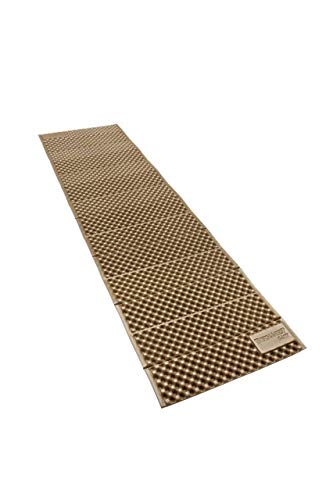
- Closed-cell foam resists wear and punctures
- Accordion fold packs easily
- Lightweight at 14 ounces
Best For: Minimalist backpackers who want simple durability
Warmth-First Backpacking Pad
Trekology UL R7 4-Inch Sleeping Pad

- 7.2 R-value for all-season insulation
- 4-inch thickness improves support
- Compact but weighs 2 lbs
Best For: Campers who need extra warmth and comfort
Lightweight Foam Option
Foldable IXPE Foam Sleeping Pad

- 396 g foldable foam pad
- Waterproof with aluminum heat reflection
- Basic 2.1 insulation rating
Best For: Ultralight hikers needing simple, moisture-safe insulation
Ultralight Comfort Pick
Myxslop Ultralight 50D Camping Sleeping Pad

- 3.7-inch thick inflatable pad with built-in pillow
- Foot pump inflates in about 30-60 seconds
- 50D nylon with TPU coating for durability
Best For: Backpackers who want a thick, lightweight pad with quick setup
Warmth-First Self-Inflating Pick
Gear Doctors Oxylus 4.3 R-Value Pad
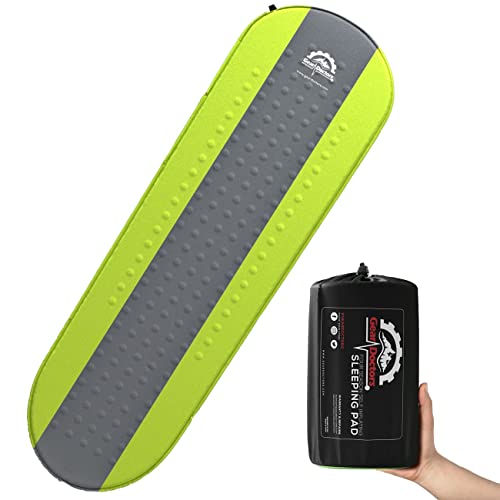
- 4.3 R-value for added warmth in colder conditions
- Self-inflating foam core with under-5-minute setup
- 75D micro-coated shell for abrasion and moisture resistance
Best For: Backpackers who want warmth and easy self-inflating setup
Fast-Inflate Budget-Friendly Pick
Ultralight Camping Sleeping Pad with Pillow

- 4-inch thick pad with built-in pillow
- Built-in foot pump inflates in 30-60 seconds
- 40D nylon and TPU construction for durability
Best For: Backpackers who want quick setup and a compact comfort pad
Ultralight Insulated Pick
ApolloAir 5.2 R-Value 22oz Backpacking Pad

- 5.2 R-value for added insulation
- 22 oz and packs small for backpacking
- Includes pump sack and repair kits
Best For: Backpackers seeking a lightweight insulated pad for colder nights
Comfort-First Wide Pad
4in Ultralight Sleeping Pad with Pillow

- 4-inch thick design with built-in pillow
- Foot pump inflates in about 30 seconds
- 40D nylon and 400 lb capacity
Best For: Side sleepers who want extra cushioning and quick inflation
Balanced 2-Season Choice
Gear Doctors Ether 17.5oz Backpacking Pad

- 17.5 oz with bottle-sized packed profile
- 2-R value suits spring and summer trips
- Detachable foot pump and anti-leak valve
Best For: Warm-weather backpackers wanting a lightweight ergonomic pad
Quick-Inflate Comfort Pick – Ultralight Inflatable Pad with Built-In Pillow
If you want sleeping pads for backpacking that feel more like a real bed, this inflatable option stands out for its thick 3-inch cushioning, built-in pillow, and quick setup. It uses a foot pump to inflate in about 30 to 60 seconds, then packs down small enough to fit into a backpack for hiking, camping, and travel.
Best For: Backpackers who want a lightweight, easy-to-pack inflatable pad with added comfort and a built-in pillow.
Pros:
- 3-inch thickness and egg-shaped air cells help cushion uneven ground
- Built-in pillow reduces the need to carry extra gear
- Foot pump inflation is fast and avoids mouth inflation
- 40D nylon and TPU construction is made for outdoor use
Cons:
- Inflatable design may appeal less to hikers who prefer foam simplicity
- Single size limits use to one sleeper unless paired with another pad
This is a practical pick for campers who prioritize comfort and convenience over the absolute lightest setup. The connectable side buttons also make it easier to build a wider sleep surface when needed.
Trusted Foam Classic – Therm-a-Rest Z Lite Original Foam Pad
For backpackers who want dependable sleeping pads for backpacking without worrying about punctures or pumps, this closed-cell foam classic keeps things simple. Its accordion-fold design is easy to pack, and the dimples in the foam are made to trap heat for extra warmth in cooler conditions.
Best For: Hikers and mountaineers who want a durable, no-fuss foam pad with proven reliability.
Pros:
- Closed-cell foam construction is durable and dependable
- Folding accordion style makes it compact and easy to pack
- Dimples help trap heat for added warmth
- Lightweight at 14 ounces
Cons:
- Thin 0.75-inch profile offers less plush cushioning than inflatables
- R-value 1.7 is best for moderate conditions, not deep cold
This is the straightforward option for travelers who value durability, low weight, and simplicity above all else. It remains a trusted choice because it does the basics well and does not depend on air.
Warmth-First Backpacking Pad – Trekology UL R7 4-Inch Sleeping Pad
If you need sleeping pads for backpacking that work beyond summer, this insulated inflatable pad is built for all-season comfort with a 7.2 R-value. It offers a 4-inch thickness, compact packed size, and water-resistant 40D ripstop nylon construction, making it a strong fit for hikers who want more warmth and support.
Best For: Backpackers who want a warm, supportive pad for cooler conditions and year-round use.
Pros:
- 7.2 R-value provides strong insulation from ground chill
- 4-inch thickness helps prevent bottoming out
- Compact and lightweight for trail carry
- 40D ripstop nylon with TPU coating adds durability
Cons:
- Requires mouth inflation or a separate pump bag
- At 2 lbs, it is heavier than some ultralight backpacking pads
This pad makes sense if comfort and warmth matter more than shaving every ounce. The width and support are especially appealing for side and back sleepers on uneven ground.
Lightweight Foam Option – Foldable IXPE Foam Sleeping Pad
Among sleeping pads for backpacking, this foldable closed-cell foam option is a practical lightweight choice for hikers who want simple insulation and moisture protection. It uses IXPE foam with an aluminum film backing to reflect heat, and its fold-up design keeps it easy to carry on trekking, picnics, or quick rest stops.
Best For: Ultralight backpackers and thru-hikers who want a waterproof foam pad with basic insulation.
Pros:
- Lightweight at 396 grams for easier carrying
- IXPE foam and aluminum film help capture body heat
- Waterproof and moisture-proof for damp ground
- Foldable design is simple and portable
Cons:
- 0.7-inch thickness offers limited cushioning
- Insulation rating of 2.1 is modest compared with warmer pads
This is a solid no-frills pad for hikers who want low weight, weather resistance, and dependable basic insulation. It is best viewed as a practical foam layer rather than a plush sleep system.
Ultralight Comfort Pick – Myxslop Ultralight 50D Camping Sleeping Pad
If you want sleeping pads for backpacking that prioritize plush comfort without adding much weight, this Myxslop model is built for that balance. It pairs a 3.7-inch thick inflatable design with an integrated neck pillow, plus honeycomb air chambers meant to support side and back sleepers on rough ground.
Best For: Backpackers who want a thick, lightweight pad with built-in pillow support and fast setup.
Pros:
- 3.7-inch thickness helps keep you off cold, rocky ground
- Built-in foot pump inflates the pad in about 30-60 seconds
- 50D nylon and TPU coating add puncture and moisture resistance
- Side snaps let you connect two pads for shared sleeping space
Cons:
- At 1.5 lbs, it is light but not the absolute lightest option available
- The wide, feature-rich design may appeal more to comfort-focused campers than minimalists
Overall, this is a strong pick if you value quick inflation, a compact packed size, and a more mattress-like feel on the trail. It makes sense for weekend trips, tent camping, and anyone who wants extra padding in a backpack-friendly package.
Warmth-First Self-Inflating Pick – Gear Doctors Oxylus 4.3 R-Value Pad
For sleeping pads for backpacking where insulation matters as much as comfort, this Gear Doctors Oxylus model stands out with a 4.3 R-value and self-inflating foam core. It is designed to be packable, easy to use, and suitable for colder or more variable conditions than a basic summer mat.
Best For: Backpackers and campers who want more warmth, easy setup, and a self-inflating design for four-season use.
Pros:
- 4.3 R-value helps provide reliable warmth on cold ground
- Self-inflating foam design is beginner-friendly and quick to deploy
- 75D micro-coated polyester shell is made for abrasion, moisture, and UV resistance
- Compact packed size and 35.2 oz weight keep it trail-ready
Cons:
- At 1.5 inches thick, it is less cushioned than thicker air pads
- It is bulkier and heavier than ultralight minimalist backpacking pads
This is a practical choice if you want a dependable sleeping mat that balances insulation, convenience, and durability. It is especially appealing for hikers who prefer a self-inflating pad instead of relying on a separate pump.
Fast-Inflate Budget-Friendly Pick – Ultralight Camping Sleeping Pad with Pillow
If you are comparing sleeping pads for backpacking and want a simple, comfort-focused option, this Pretyw pad is built around convenience. It offers a 4-inch thick sleeping surface, a built-in pillow, and a foot pump that gets it ready in about 30-60 seconds.
Best For: Backpackers who want a lightweight, easy-to-pack pad with quick inflation and built-in pillow support.
Pros:
- 4-inch thickness gives solid cushioning for back and side sleepers
- Built-in foot pump reduces the need for mouth inflation or an external pump
- Weighs 1.8 lbs and folds into a compact 10 x 4 inch bag
- 40D nylon with TPU construction adds waterproof durability
Cons:
- Heavier than some ultralight backpacking mats at 1.8 lbs
- The feature set is comfort-oriented rather than stripped-down minimal
Overall, this pad makes sense for campers who want a straightforward mix of comfort, portability, and fast setup. The connectable side buttons also make it flexible for pairing with other pads when you need more sleeping space.
Ultralight Insulated Pick – ApolloAir 5.2 R-Value 22oz Backpacking Pad
If you want a sleeping pad for backpacking that balances warmth, packed size, and comfort, the Gear Doctors ApolloAir is built around that tradeoff. It packs down small, includes a pump sack, and uses insulated horizontal air chambers plus a 5.2 R-value to support colder-weather trips without adding much weight.
Best For: Backpackers who want a lightweight insulated pad for multi-season use and don’t mind using a pump sack instead of self-inflation.
Pros:
- 5.2 R-value insulation for better cold-weather coverage
- Lightweight at 22 oz with a compact pack size
- 3.2-inch thickness and air chambers for comfort and weight distribution
- Includes pump sack, repair kits, and an adapter-ready valve
Cons:
- Not self-inflating
- Requires the included pump sack for inflation
- Comfort depends on getting the air level adjusted just right
Overall, the ApolloAir is a strong pick if insulation matters as much as packability. It looks especially useful for hikers who want a lighter sleep system that can still handle chillier nights.
Comfort-First Wide Pad – 4in Ultralight Sleeping Pad with Pillow
Among sleeping pads for backpacking, this Oramoose model stands out for comfort-focused features like a 4-inch air layer, a built-in pillow, and a wide rectangular layout. It’s designed for side sleepers who want more lift off the ground, while still packing down small enough to fit in a backpack side pocket.
Best For: Side sleepers and backpackers who prioritize thickness, a built-in pillow, and a fast foot-pump setup.
Pros:
- 4-inch thick air layer for more separation from the ground
- Built-in pillow supports the neck without extra gear
- Foot pump inflation is quick and low-effort
- 40D nylon construction is made for rough terrain and easy cleaning
Cons:
- Heavier than some ultralight minimalist pads at 1.9 lbs
- Bulkier sleeping width may take more room in smaller tents
- Best comfort depends on the air level being set correctly
If comfort is the top priority, this pad gives you more cushion and easier setup than many stripped-down backpacking options. It makes the most sense for campers who want a roomy sleep surface and do not mind carrying a bit more weight.
Balanced 2-Season Choice – Gear Doctors Ether 17.5oz Backpacking Pad
If you’re comparing sleeping pads for backpacking and want a lighter option with an ergonomic shape, the Gear Doctors Ether focuses on portability and stable sleep. It packs down to bottle-like size, uses a detachable foot pump, and has a 2-R value that fits spring and summer trips best.
Best For: Backpackers looking for a lightweight, easy-to-inflate 2-season pad with an ergonomic shape and strong portability.
Pros:
- 17.5 oz weight and compact packed size
- Detachable foot pump and anti-leak valve system
- ErgoCushion U-shape designed for side and back sleepers
- 20D nylon with TPU coating plus repair kit and lifetime replacement
Cons:
- 2-R value is better for warmer conditions than cold-weather trips
- Not as insulated as higher-R-value backpacking pads
- Inflation still requires the included pump setup
The Ether is a sensible middle-ground option if you want a compact pad that feels more refined than bare-bones ultralight models. Its mix of packability, comfort shaping, and easy setup makes it a practical fit for warmer-weather backpacking.
How We Picked These Sleeping Pads for Backpacking
We focused on the factors that matter most on trail: packed size, weight, insulation, support, durability, and ease of use. We also considered whether a pad is better suited to ultralight backpacking, shoulder-season camping, or more comfort-first trips.
Quick Comparison
Foam pads are the simplest and most reliable choice, with no risk of punctures and very fast setup. Inflatable pads usually offer better comfort and smaller packed sizes. Self-inflating and insulated models sit between those two, trading a little weight for easier use and added warmth.
Key Buying Factors for Sleeping Pads for Backpacking
Weight and Packed Size
If you count every ounce, look closely at total trail weight and how tightly the pad compresses in your pack. Ultralight inflatable pads are ideal for long-distance hikers, while foam pads are often favored for durability and simplicity.
Warmth and R-Value
For Sleeping Pads for Backpacking, insulation matters as much as comfort. Check R-value if you camp in cool spring, fall, or mountain conditions. Higher R-values generally mean better cold-ground protection.
Comfort and Thickness
Side sleepers usually prefer thicker pads and a more stable air chamber design. Back sleepers may be fine with a thinner pad, especially if saving weight is the priority.
Durability and Setup
Closed-cell foam pads are hard to damage and work anywhere, while inflatable pads can deliver better comfort but require more care. Built-in pumps can speed setup, but they add complexity and sometimes weight.
Who Should Buy Which Sleeping Pads for Backpacking?
Choose a foam pad if you want maximum reliability, simple use, and the best fallback option for rough terrain. Pick an ultralight inflatable if your main goal is reducing pack weight without giving up too much comfort. Go with an insulated or self-inflating pad if you camp in colder conditions or want a better balance of convenience and warmth. If you sleep cold, side sleep, or want more comfort for basecamp trips, prioritize thickness and insulation over the absolute lightest option.
For most backpackers, the best choice is the pad that matches the coldest conditions you expect and the sleep style you actually use on trail.