Choosing the right pad matters as much as the sleeping bag when temperatures drop. The best sleeping pads for cold weather add insulation, reduce heat loss to the ground, and still pack small enough for backpacking.
Below, we compare 10 standout options for winter camping, shoulder-season trips, and high-mileage backpacking so you can find the right balance of warmth, comfort, and weight.
Best 10 Sleeping Pads for Cold Weather Picks for 2026
Balanced Warmth
Gear Doctors Oxylus 4.3 R-Value Insulated Foam Self Inflating Sleeping Pad
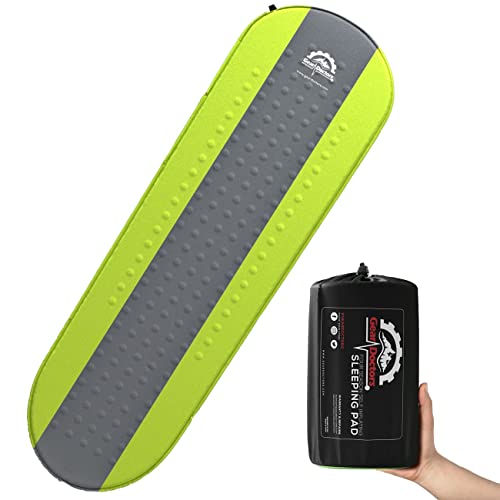
- 4.3 R-value for cold-weather insulation
- Self-inflating foam for easy setup
- Compact 35.2 oz build with durable shell
Best For: Campers wanting a warmer, beginner-friendly insulated pad
Extreme Cold Ultralight
Therm-a-Rest NeoAir XTherm NXT Ultralight Camping and Backpacking Sleeping Pad

- 7.3 R-value for extreme cold
- 15.5 oz ultralight expedition build
- Reflective heat tech plus durable 70D bottom
Best For: Mountaineers and backpackers facing harsh winter conditions
Deep-Cushion Winter Comfort

- 9.5 R-value for strong all-season insulation
- 3.1-inch memory foam for plush comfort
- Best suited to car camping and family trips
Best For: Car campers who want a thick, quiet, highly insulated pad
Lightweight Year-Round
Therm-a-Rest NeoAir Xlite NXT Ultralight Camping and Backpacking Sleeping Pad

- 4.5 R-value for year-round warmth
- 13 oz foam-free ultralight build
- 3-inch thickness with included pump sack
Best For: Ultralight backpackers needing a warm, compact pad
Editor’s Pick
TREKOLOGY R7 All-Season Lightweight Pad

- 7.2 R-value insulation for cold ground
- 4-inch thick, 2 lb backpack-friendly design
- Water-resistant 40D ripstop nylon with TPU coating
Best For: Hikers and backpackers who need warm, lightweight insulation
Extreme Cold Choice
OneTigris NOBLEJADE R7.3 Insulated Pad
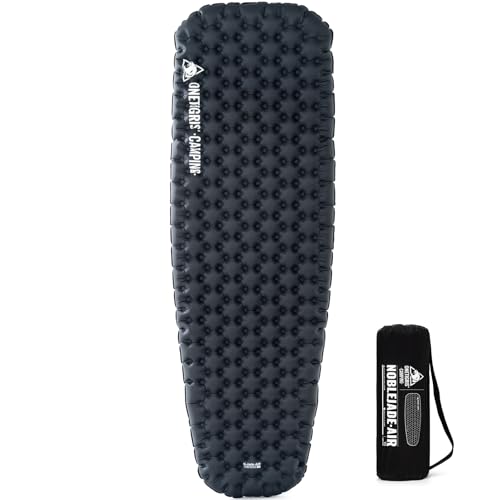
- R7.3 insulation with SGS certification
- Rated down to -22°F for extreme cold
- 1.56 lb pad with pump sack and repair patch
Best For: Campers and backpackers facing very cold conditions
Maximum Warmth Pick
Elegear R9 4-Inch Insulated Pad

- Certified R-value 9 with 9-layer insulation
- 4-inch thick mummy shape helps prevent bottoming out
- Pump sack, repair patch, and storage bag included
Best For: Four-season backpackers who want the highest insulation here
Ultralight Warmth Pick
Naturehike 20oz Ultralight Insulated Pad

- 6.5 R-value with reflective heat structure
- 10cm thick and lightweight at 665g
- Sidewalls help prevent rolling off
Best For: Backpackers who want a warm, compact winter pad
Best Heavy-Duty Pick

- R-Value 9.0 for extreme cold insulation
- 4.7-inch thickness adds comfort and support
- Pump bag included for fast inflation
Best For: Winter camping and snow trips where maximum warmth matters
All-Season Balance
Hikenture 6.2 R-Value Insulated Pad

- ASTM-tested 6.2 R-value for cold-weather warmth
- 1.53 lb and compact for backpacking
- Pump-sack bag and repair patches included
Best For: Backpackers wanting dependable insulation in a lighter pad
Balanced Warmth – Gear Doctors Oxylus 4.3 R-Value Insulated Foam Self Inflating Sleeping Pad
If you want sleeping pads for cold weather that still feel approachable for beginners, this self-inflating option is a solid middle ground. The Oxylus pairs a 4.3 R-value with foam insulation and a 1.5-inch profile, giving you dependable ground protection for camping in chilly conditions without adding much setup hassle.
Best For: Campers who want a warmer, easier-to-use insulated pad for four-season trips, car camping, or backpacking.
Pros:
- 4.3 R-value helps add insulation for cold nights.
- Self-inflating foam core simplifies setup and pack-up.
- Compact packed size and 35.2 oz weight make it reasonably portable.
- 75D polyester shell is built for moisture, abrasion, and outdoor use.
Cons:
- At 1.5 inches thick, it is less plush than thicker premium pads.
- Heavier than ultralight options made for fast-and-light trips.
The Oxylus is a practical choice if your priority is warm, dependable sleep rather than shaving every ounce. It stands out as a versatile insulated pad for mixed camping use, especially when cold ground is part of the plan.
Extreme Cold Ultralight – Therm-a-Rest NeoAir XTherm NXT Ultralight Camping and Backpacking Sleeping Pad
Therm-a-Rest NeoAir XTherm NXT Ultralight Camping and Backpacking Sleeping Pad, Neptune, Regular
Check Price On AmazonFor sleeping pads for cold weather where warmth matters more than anything else, the NeoAir XTherm NXT is built for serious backcountry conditions. Its 7.3 R-value, reflective heat-trapping technology, and 3-inch thickness make it one of the strongest options here when the forecast turns truly harsh.
Best For: Mountaineers, alpinists, and backpackers who need maximum warmth in very cold conditions with minimal weight.
Pros:
- 7.3 R-value is designed for extreme cold.
- Weighs just 15.5 oz in Regular size for true ultralight packing.
- ThermaCapture and Triangular Core Matrix help reduce heat loss.
- 70D ripstop nylon bottom adds durability for expedition use.
Cons:
- Premium cold-weather performance comes at a specialized focus and likely higher cost.
- Ultralight design may feel less plush than thicker foam-heavy mattresses.
This is a top-tier pick when your sleeping system needs to stay warm in the coldest environments without becoming a burden in your pack. It is best viewed as an expedition-ready pad for users who value warmth-to-weight efficiency above all else.
Deep-Cushion Winter Comfort – Wevelel Memory Sleeping Pad
If your priority is sleeping pads for cold weather with maximum cushioning, this extra-thick memory foam model is aimed at comfort-first camping. The Wevelel pad combines a 9.5 R-value, 3.1-inch thickness, and self-inflating foam to keep you elevated from hard ground while adding substantial insulation.
Best For: Car campers, road trippers, and family campers who want a thick, warm, quiet mattress.
Pros:
- 9.5 R-value offers very strong insulation for all seasons.
- 3.1-inch thickness and memory foam provide plush support.
- 50D knit fabric is breathable, tear-proof, and noiseless.
- Fast self-inflation and upgraded valves make setup and storage easier.
Cons:
- At 6.59 lbs, it is much heavier than backpacking-focused pads.
- Its size and bulk make it better for car travel than long treks.
This pad is less about portability and more about turning cold, hard ground into a comfortable sleep surface. If warmth, thickness, and quiet comfort matter most, it is a strong fit for vehicle-based camping.
Lightweight Year-Round – Therm-a-Rest NeoAir Xlite NXT Ultralight Camping and Backpacking Sleeping Pad
Therm-a-Rest NeoAir Xlite NXT Ultralight Camping and Backpacking Sleeping Pad, Solar Flare, Large
Check Price On AmazonAmong sleeping pads for cold weather, the NeoAir Xlite NXT is the lighter-weight choice for people who still want real insulation. With a 4.5 R-value, 3-inch thickness, and a foam-free design that packs down small, it is built for backpackers who need a balance of warmth, comfort, and low bulk.
Best For: Ultralight backpackers who want a warm, compact pad for year-round trips.
Pros:
- 4.5 R-value supports year-round warmth.
- Foam-free design weighs just 13 oz in Regular size.
- 3-inch profile and internal baffling improve stability and support.
- Includes WingLock valve, pump sack, stuff sack, and patch kit.
Cons:
- Less insulated than the XTherm NXT for severe winter conditions.
- Not as plush as thicker foam-style sleeping pads.
This is a strong all-around backpacking pad when you need warmth without carrying expedition-level weight. It makes the most sense for hikers who want a compact, efficient sleep system across three seasons and beyond.
Editor’s Pick – TREKOLOGY R7 All-Season Lightweight Pad
If you want one of the most practical sleeping pads for cold weather, this TREKOLOGY pad focuses on warmth, portability, and a generous 4-inch profile. Its 7.2 R-value and insulated air-chamber design are built to reduce ground chill, while the light 2 lb pack weight keeps it backpack-friendly for all-season trips.
Best For: Hikers and backpackers who want a warm, compact pad with strong insulation and easy carry weight.
Pros:
- 7.2 R-value helps block cold ground in all-season conditions.
- 4-inch thickness and wide 70.8″ x 24″ size add comfort and support.
- Weighs 2 lbs and packs down to about water-bottle size.
- 40D ripstop nylon with TPU coating is water-resistant and tear-resistant.
Cons:
- No built-in pump is included.
- Best suited for sleepers up to 5’11”.
Overall, this is a strong balance of warmth, comfort, and packability for cold-weather camping. It stands out if you want an insulated pad that is still easy to carry on trail days.
Extreme Cold Choice – OneTigris NOBLEJADE R7.3 Insulated Pad
For sleeping pads for cold weather in harsher conditions, the OneTigris NOBLEJADE is built around a 7.3 R-value and a 3D reflective thermal structure that aims to hold heat in each air chamber. With its 4-inch cushion and stated cold-weather performance down to -22°F, it’s geared toward campers who need serious insulation without giving up packability.
Best For: Cold-weather campers, backpackers, and hikers who want a higher-R-value pad for very low temperatures.
Pros:
- R-value 7.3 and SGS certification for strong insulation.
- Rated for extreme cold down to -22°F.
- Lightweight at 1.56 lbs with a compact pack size.
- Includes pump sack, straps, and TPU repair patch.
Cons:
- No built-in pump.
- Tapered shape may feel less roomy than rectangular pads.
This is the pick to consider when warmth is the top priority and every ounce still matters. The combination of high insulation, low weight, and included inflation gear makes it a well-rounded cold-weather option.
Maximum Warmth Pick – Elegear R9 4-Inch Insulated Pad
If you need one of the warmest sleeping pads for cold weather, this Elegear pad is built around a certified R-value of 9 and a 9-layer insulation system. It’s designed to handle major temperature swings and cold environments, while the 4-inch thickness and mummy shape help keep you cushioned and elevated off rough ground.
Best For: Backpackers and four-season campers who want maximum insulation and dependable comfort in cold environments.
Pros:
- Certified R-value 9 for very strong ground insulation.
- 4-inch thickness and support cells help prevent bottoming out.
- Weighs 2.2 lbs and packs compactly for backpacking.
- Includes pump sack, repair patch, storage bag, and user guide.
Cons:
- No built-in pump.
- Mummy shape offers less room than a full rectangular pad.
For users who prioritize warmth above all else, this pad offers the highest insulation rating in the group. It’s a smart fit for colder climates, high-altitude trips, and other trips where ground chill is a real concern.
Ultralight Warmth Pick – Naturehike 20oz Ultralight Insulated Pad
If you want sleeping pads for cold weather that stay light enough for backpacking, this Naturehike model is built around insulation first. The 6.5 R-value, reflective heat structure, and 10cm thickness are aimed at reducing ground chill while still keeping the pad compact for hiking trips.
Best For: Lightweight campers who want strong cold-weather insulation without carrying a bulky mattress.
Pros:
- 6.5 R-value and reflective aluminum-layer insulation for warmth in cold conditions
- 10cm thickness adds comfort, support, and better separation from the ground
- Ultralight 665g build with a compact packed size for backpacking
- Sidewalls help keep you centered on the pad during the night
Cons:
- Top-end warmth is strong, but it still requires sensible inflation for temperature changes
- Single-pad design means no extra winter accessories are included beyond the basics
This is a strong option if your priority is maximizing warmth-to-weight ratio. The combination of high R-value, layered insulation, and low pack weight makes it especially appealing for cold nights where every ounce matters.
Best Heavy-Duty Pick – OGERY R-Value 9.0 Winter Pad
For sleeping pads for cold weather where warmth is the main concern, this OGERY pad stands out with an R-value of 9.0. It uses a multi-layer reflective insulation structure and a thick air-cell design to help block cold ground exposure during winter trips.
Best For: Winter campers, snow backpackers, and alpine users who need maximum insulation.
Pros:
- R-Value 9.0 offers extreme cold insulation for 4-season use
- 4.7-inch thickness provides stable support and added comfort on uneven ground
- Pump bag included for quick inflation and reduced moisture inside the pad
- 40D nylon with TPU coating adds durability for repeated outdoor use
Cons:
- Heavier than ultralight alternatives at 2.5 pounds
- Bulky winter-focused build is less ideal if minimizing pack weight is the top priority
If you camp in truly cold conditions, this pad is built to prioritize insulation over minimal weight. Its high R-value and thick support make it a practical choice when winter comfort matters more than shaving ounces.
All-Season Balance – Hikenture 6.2 R-Value Insulated Pad
If you want sleeping pads for cold weather but still need an easy-to-carry option, this Hikenture pad offers a balanced approach. Its 6.2 R-value, aluminum film insulation, and 3.2-inch thickness are designed to provide reliable warmth while keeping the pad compact for backpacking and hiking.
Best For: Campers who want solid insulation, low weight, and an easy setup for three-season or cooler trips.
Pros:
- ASTM-tested 6.2 R-value provides strong insulation for cold-weather use
- 3.2-inch thickness and airbag structure help prevent bottoming out
- Weighs only 1.53 lb and packs compact for backpacking
- Pump-sack storage bag and included repair patches add convenience
Cons:
- Less insulated than the highest-R-value winter-focused pads in this roundup
- Thinner build than bulkier cold-weather mats may feel less plush to some sleepers
This pad is a sensible middle ground if you want dependable warmth without committing to a heavy winter mattress. It should fit well for hikers and backpackers who need insulation, portability, and simple inflation in one package.
How We Picked the Best Sleeping Pads for Cold Weather
For this roundup, we prioritized R-value, real-world warmth, thickness, weight, packed size, and ease of inflation. We also looked at durability features like sidewalls, foam construction, and puncture resistance, since cold-weather use often means rougher terrain and less forgiving conditions.
Our goal was to highlight Sleeping Pads for Cold Weather that serve different types of campers: ultralight backpackers, side sleepers, winter campers, and users who value maximum comfort over minimum pack size.
Quick Comparison
High-R-value models are the best fit for true winter conditions, especially when you’ll be sleeping on snow or frozen ground. Mid-range insulated pads are often enough for chilly shoulder-season trips, while thicker foam or hybrid designs can be more comfortable for base camps and car camping.
As a general rule, higher R-value means better ground insulation, but weight and bulk usually increase too. If you hike long distances, look closely at packed size and ounces; if you camp from a vehicle, comfort and thickness may matter more.
Key Buying Factors for Sleeping Pads for Cold Weather
R-Value and Temperature Use
R-value is the most important number for cold-weather insulation. For true winter use, look for pads in the 5.0+ range, with higher values offering more thermal protection. If you camp in freezing shoulder-season conditions, a mid-5 to 7 range may be enough. For snow camping or extreme cold, higher-R pads are usually the safer choice.
Thickness, Shape, and Stability
Thicker pads often feel better for side sleepers and help reduce pressure points. Sidewalls or baffle designs can improve stability and keep you centered at night. Wide or contoured shapes are worth considering if you move around a lot in your sleep.
Weight and Packability
Backpackers should balance insulation against ounces and packed volume. Ultralight Sleeping Pads for Cold Weather can save space in a pack, but some comfort-focused models trade portability for thicker cushioning.
Inflation, Deflation, and Durability
Fast setup matters in cold conditions, especially when you want to minimize moisture buildup from breath inflation. Pumps or easy-inflate valves can help. Durable fabrics and insulated construction are also important if you expect frequent use or rocky campsites.
Who Should Buy Which Sleeping Pads for Cold Weather?
Choose the highest-R, lightest pad if your priority is winter backpacking or alpine trips. Choose a thicker, more cushioned pad if you need comfort for side sleeping or car camping. If you want one pad for most three-season trips with occasional cold nights, a midweight insulated option is usually the best all-around value.
In short, the best sleeping pad is the one that matches your temperature range, sleep style, and carry load. If you get those three things right, you’ll sleep warmer and recover better for the next day on trail.