The right sleeping pad can make the difference between a miserable night and a solid rest outdoors. Comfort, insulation, pack size, and durability all matter, but the best choice depends on how and where you camp.
In this roundup, we compare 10 options for backpackers, car campers, solo sleepers, and couples so you can find the best fit for your budget and sleep style.
Best 10 Sleeping Pads Picks for 2026
Classic Foam Pick
Therm-a-Rest Z Lite Original Camping and Backpacking Sleeping Pad
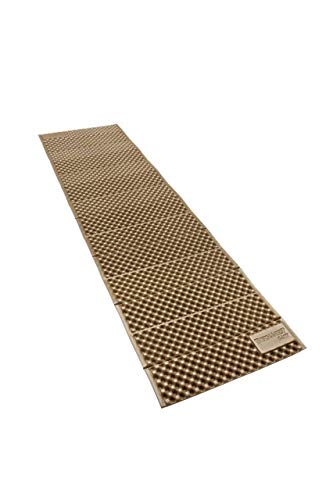
- Closed-cell foam design for durability
- Foldable accordion style packs easily
- Heat-trapping dimples add extra warmth
Best For: Backpackers who want a lightweight, dependable foam pad
Quick-Inflate Choice
MOXILS Ultralight Inflatable Sleeping Pad with Pump

- Built-in foot pump inflates in about 20 seconds
- Lightweight, waterproof, and compact to carry
- Side buttons allow two pads to connect
Best For: Campers wanting a wider inflatable pad with fast setup
Warmth-Focused Foam Pad
Foldable Closed Cell Camping Mattress with Aluminum Film

- Aluminum film backing helps reflect heat
- Insulation rating of 2.1 adds warmth
- Foldable, waterproof, and easy to carry
Best For: Ultralight campers who want extra insulation from a foam pad
Most Comfortable Pick
Gaialoop 3-Inch Memory Foam Camping Mattress

- 3-inch memory foam build for plush comfort
- Washable cover with waterproof coating
- Best suited to car camping and road trips
Best For: Campers who want a thick, cushioned pad for vehicle or tent use
Ultralight Inflatable Comfort

- 3-inch inflatable pad with built-in pillow
- Foot pump inflates in 30-60 seconds
- Connects with another pad for a wider bed
Best For: Backpackers who want a compact inflatable sleeping pad with quick setup
Foam Camp Rest
CYMULA Memory Foam Camping Mattress

- Memory foam design adapts to body shape
- Waterproof, non-slip bottom for tricky surfaces
- Includes bag and straps for rolling storage
Best For: Car campers and guests who want mattress-like comfort
Extra-Thick Camp Support

- 5-inch thick inflatable pad with built-in pillow
- Foot pump inflates in about 60 seconds
- Rated for up to 800 pounds
Best For: Campers who want thick cushioning and quick setup
Ultralight Solo Comfort
4in Ultralight Camping Sleeping Pad

- 4-inch thick pad with V-shape support
- Built-in pillow and quiet, non-slip surface
- Foot pump inflates fast and packs small
Best For: Solo backpackers wanting lightweight comfort
Shared-Trip Comfort
Double Camping Sleeping Pad with Pillow

- Double-size pad with 4-inch thickness
- Built-in pillow and pressure-relief wave pattern
- Foot pump inflates quickly and packs compactly
Best For: Two-person camping and portable guest use
Classic Foam Pick – Therm-a-Rest Z Lite Original Camping and Backpacking Sleeping Pad
If you want a simple, dependable sleeping pad for backpacking or camping, the Therm-a-Rest Z Lite Original is a proven closed-cell foam option. Its foldable accordion design makes it easy to strap on a pack, and the dimples in the foam help trap heat for extra warmth in cooler conditions.
Best For: Backpackers, mountaineers, and campers who want a durable foam pad that is lightweight and easy to carry.
Pros:
- Lightweight at 14 ounces and easy to pack
- Closed-cell foam construction is durable and dependable
- Heat-trapping dimple pattern adds warmth in cold conditions
- Soft top layer with denser bottom for comfort and insulation
Cons:
- Foam style offers less cushioning than inflatable pads
- Length and width may feel minimal for larger sleepers
For buyers who value simplicity and toughness over plush comfort, this pad remains a practical classic. It is especially appealing if you want a no-fuss sleeping pad that won’t rely on inflation or worry about leaks.
Quick-Inflate Choice – MOXILS Ultralight Inflatable Sleeping Pad with Pump
The MOXILS sleeping pad is built for campers who want an inflatable sleeping pad with fast setup and a roomier feel. Its built-in foot pump can inflate the mat in about 20 seconds, and the rectangular 75 x 25 inch design gives it a larger sleeping surface than many compact options.
Best For: Campers and hikers who want a lightweight inflatable pad with quick inflation and a wider sleeping area.
Pros:
- Built-in foot pump inflates without using your hands or mouth
- Inflates quickly and deflates fast for packing
- Lightweight at 1.9 lb and waterproof
- Side buttons let you connect two pads into a double bed
Cons:
- Inflatable design may require more care than foam pads
- Warranty coverage is limited to 6 months
This is a practical pick if you want more comfort and convenience than a basic foam mat can offer. The included repair kit and carry bag also make it a better fit for travel and repeated outdoor use.
Warmth-Focused Foam Pad – Foldable Closed Cell Camping Mattress with Aluminum Film
This foldable sleeping pad is a straightforward foam option for backpacking and other outdoor trips where insulation matters. The IXPE foam and aluminum film backing are designed to reflect heat, while the waterproof, moisture-proof build helps it handle damp ground conditions.
Best For: Ultralight hikers and campers who want a foldable foam sleeping pad with added insulation.
Pros:
- Closed-cell IXPE foam with aluminum film helps capture body heat
- Insulation rating of 2.1 for added warmth
- Lightweight, foldable, and easy to carry
- Waterproof and moisture-resistant for outdoor use
Cons:
- Foam construction is less cushioned than thicker mattress-style pads
- May feel narrow for sleepers who prefer more width
As a budget-friendly, packable sleeping pad, it makes sense for users who prioritize warmth and simplicity. It is especially useful when you want a low-maintenance pad for trekking, picnic use, or basic camp setups.
Most Comfortable Pick – Gaialoop 3-Inch Memory Foam Camping Mattress
If comfort is your top priority, this memory foam sleeping pad is built more like a portable camp mattress than a traditional backpacking mat. The 3-inch thick design combines support foam and memory foam for a softer, more stable sleep surface, and the washable cover adds convenience for repeated use.
Best For: Car campers, SUV travelers, RV users, and road trippers who want a thick, comfortable sleeping pad.
Pros:
- 3-inch memory foam and support foam build offers plush comfort
- Removable, washable cover with waterproof coating
- CertiPUR-US and OEKO-TEX certified materials
- Comes with carrying case and straps for easier storage
Cons:
- At 8.3 pounds, it is not a lightweight travel pad
- Not intended for long-distance backpacking or hiking
This is the best option here for people who want a cushier sleep setup and do not mind extra bulk. It works well for tents, vehicles, cots, and other situations where comfort matters more than packability.
Ultralight Inflatable Comfort – FUN PAC Camping Sleeping Pad
If you want sleeping pads that pack small but still give real cushion, this FUN PAC model is built for fast setup and a more comfortable night outdoors. The 3-inch inflatable design, built-in pillow, and egg-shaped air cells aim to keep you off rough ground while supporting back and side sleepers.
Best For: Backpackers and campers who want an ultralight inflatable pad with a built-in pump and pillow.
Pros:
- Built-in foot pump inflates the pad in about 30-60 seconds.
- 3-inch thickness and egg-cell design add comfort and pressure relief.
- Integrated pillow reduces the need to pack extra gear.
- Connectable side buttons let you pair two pads for a wider sleep setup.
Cons:
- Single size may feel narrow for sleepers who want extra room.
- Inflatable pads usually feel less plush than foam mattresses.
This is a practical pick for hikers and travelers who value quick inflation, low pack weight, and compact storage. The nylon and TPU build, waterproof design, and 400-pound capacity make it a versatile option for regular outdoor use.
Foam Camp Rest – CYMULA Memory Foam Camping Mattress
Among sleeping pads, this CYMULA option leans more toward mattress-like comfort than ultra-light portability. Its high-density memory foam is designed to adapt to body shape and weight, while the waterproof, non-slip bottom helps it stay usable on uneven ground or in a vehicle.
Best For: Campers, car travelers, and guest-room use when comfort matters more than packed size.
Pros:
- High-density memory foam provides body-conforming comfort and shock absorption.
- Waterproof, non-slip bottom helps on slippery or uneven surfaces.
- Includes a travel bag, straps, and buckle system for rolling and storage.
- Works well as a temporary bed for camping, cars, or guests.
Cons:
- Weighs more than inflatable sleeping pads at 7.5 pounds.
- May need 24-72 hours to fully rebound after vacuum compression.
If you want a portable mattress-style pad rather than a minimalist backpacking mat, this one is appealing. It gives you a broader range of uses, from tent sleep to SUV trips to a quick floor bed at home.
Extra-Thick Camp Support – FNARMW 5-Inch Sleeping Pad
If your main priority is cushioning, this FNARMW option stands out among sleeping pads with a 5-inch profile and a built-in pillow. The larger 79 x 28-inch size, egg-cell structure, and heavy-duty nylon build are aimed at giving campers more support on hard ground without a complicated setup.
Best For: Campers who want maximum thickness and fast inflation in a compact inflatable pad.
Pros:
- 5-inch thickness offers substantial cushioning from rough terrain.
- Built-in foot pump inflates the pad in about 60 seconds.
- Supports up to 800 pounds, according to the product details.
- Built-in pillow and drawstring shape add convenience and support.
Cons:
- At 4.2 pounds, it is not the lightest option for long backpacking trips.
- Thicker inflatable pads can still feel less stable than foam beds for some sleepers.
This is a strong choice when you want a thicker camping mat that still packs down small. It is especially practical for car camping, backup guest bedding, and trips where comfort is worth a little extra weight.
Ultralight Solo Comfort – 4in Ultralight Camping Sleeping Pad
If you want sleeping pads that prioritize comfort without adding much pack weight, this 4-inch model is built around side-sleeper support, a built-in pillow, and fast foot-pump inflation. The V-shape design keeps your hips and shoulders lifted off the ground, while the quiet, non-slip surface helps reduce movement noise at night.
Best For: Backpackers and solo campers who want a lightweight, thick pad with a built-in pillow.
Pros:
- 4-inch thickness and V-shape support help keep side sleepers off the ground.
- Built-in contoured pillow adds neck support and reduces gaps.
- Foot pump inflates in about 30 seconds and deflates quickly.
- 40D nylon construction is designed for rough ground and easy cleanup.
Cons:
- Single width is best for one sleeper only.
- Not intended for those who prefer a simple foam pad feel.
Overall, this is a strong pick if you want a compact sleeping pad that balances comfort, speed, and portability. The ability to connect pads also adds flexibility for future setups.
Two-Person Basecamp – Yuzonc Double Sleeping Pad
Among sleeping pads for couples or close companions, this double-wide option stands out for its 4-inch thickness, built-in pillows, and roomy 79.8 x 53.5-inch footprint. It is designed to keep two sleepers elevated and supported, with an ergonomic water-ripple layout that aims to distribute pressure more evenly.
Best For: Couples, family camping, or two adults sharing one pad.
Pros:
- Double size and 4-inch thickness provide generous room for two people.
- Built-in foot pump inflates in 1-3 minutes without extra gear.
- 40D nylon with TPU coating adds durability and tear resistance.
- Compact carry size makes it manageable for camping and travel.
Cons:
- At 3 pounds, it is heavier than a solo pad.
- Best suited to shared setups rather than minimalist solo backpacking.
This is a practical choice if you want one sleeping pad that can handle two sleepers without feeling cramped. It offers a solid mix of comfort, support, and easy inflation for shared trips.
Shared-Trip Comfort – Double Camping Sleeping Pad with Pillow
If you are comparing sleeping pads for two people, this double model offers a roomy 78 x 54-inch layout, 4-inch thickness, and a built-in pillow for easier overnight comfort. The foot pump keeps setup simple, and the wave-pattern design is meant to improve pressure relief whether you sleep on your back, side, or stomach.
Best For: Two-person camping trips, guest bedding, or travelers who want a portable double pad.
Pros:
- Double size with 4-inch thickness gives two sleepers ample space and support.
- Built-in pillow and ergonomic wave pattern add comfort.
- Foot pump inflates in 1-3 minutes with no external pump needed.
- 40D nylon and TPU layers are designed for durability and water resistance.
Cons:
- At 3 pounds, it is not the lightest option for solo ultralight trips.
- Double size may be more pad than a solo camper needs.
For campers who want a portable shared bed with quick inflation, this pad covers the basics well. It is especially useful when you want a balance of comfort, packability, and two-person space.
How We Picked These Sleeping Pads
We focused on the factors that most affect real-world use: comfort, thickness, packed size, weight, insulation, setup speed, and overall versatility. We also favored models that suit different camping styles, from ultralight backpacking to car camping and shared sleep setups.
Quick Comparison of Sleeping Pads
For fast decisions, think in three groups: closed-cell foam pads for the lightest, most durable option; inflatable Sleeping Pads for better comfort and compact carry; and memory foam or thicker mats for maximum plushness when weight is less important. Double pads are best when you want a shared sleeping surface for two people.
Key Buying Factors for Sleeping Pads
Comfort and Thickness
Thicker pads usually feel better on hard ground and side sleepers, while thinner foam models are simpler and more stable. If you wake up sore, prioritize thickness and cushioning first.
Weight and Packed Size
Backpackers should look closely at carry weight and packed dimensions. If you hike long distances, a lighter inflatable or foam pad is usually easier to live with than a bulky foam mattress.
Insulation and Ground Protection
Some Sleeping Pads are designed mainly for cushioning, while others also help reduce heat loss to the ground. If you camp in cooler conditions, pay attention to insulation value or the pad’s material and construction.
Setup Style
Built-in foot pumps, self-inflating designs, and simple foldable foam pads each offer different tradeoffs. Faster setup can be worth it for frequent campers, family trips, and cold-weather arrivals.
Durability and Use Case
Closed-cell foam is tough and dependable, while inflatable models can offer more comfort but may need more care. Car campers can usually prioritize plushness, while backpackers may prefer a balance of reliability and portability.
Who Should Buy Which Sleeping Pads?
If you want the lightest and simplest option, choose a foam pad. If comfort and compact storage matter most, go with an inflatable or memory foam model. If you camp with a partner, a double pad can save space and improve shared sleep quality. The best Sleeping Pads are the ones matched to your trip length, sleep position, and pack space—not just the one with the thickest profile.