The best ankle brace with side supports can limit unwanted rolling while keeping your foot supported during sports, recovery, or daily activity. The options in this roundup range from lightweight figure-eight designs to more structured braces with removable stays.
Use the buying guide below to compare stabilization, adjustability, comfort, and fit before choosing the brace that matches your injury needs and activity level.
Best 10 Ankle Brace with Side Supports Picks for 2026
Best Overall
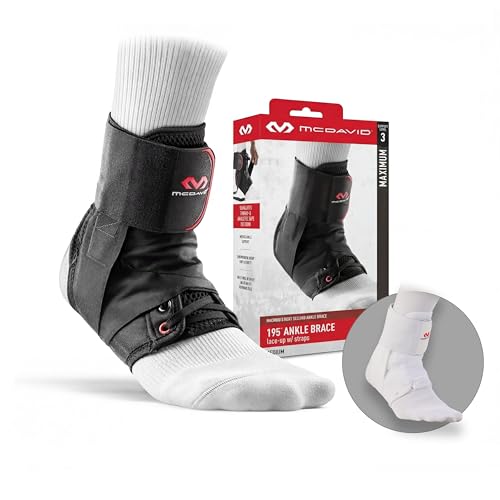
- Figure-8 straps with rigid side stabilizers
- Adjustable lacing for personalized compression
- Low-profile design for multi-sport use
Best For: Active adults needing adjustable sports support
Most Adjustable Support
Quick Ankle Brace with Metal Stabilizers

- Choose plastic or steel side support
- Speed laces enable quick adjustments
- Heel pad helps limit friction
Best For: Users wanting customizable stabilization strength
Best Low-Profile Fit
Reinforced Lace-Up Ankle Brace
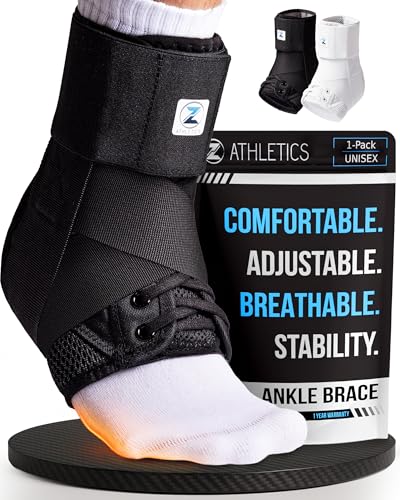
- Slim design fits inside many shoes
- Figure-8 lacing controls compression
- Breathable panels support extended wear
Best For: Daily wear and sports inside fitted footwear
Best for Custom Compression
Dr.Welland Adjustable Ankle Brace

- Adjustable ankle and arch positioning
- Breathable, moisture-wicking neoprene
- Works on either ankle in three sizes
Best For: Users wanting customizable ankle and arch support
Flexible Figure-8 Support

- Two removable side splints for adjustable support
- Figure-8 straps stabilize without fully restricting motion
- Slim, ventilated design fits inside most shoes
Best For: Mild sprains, sports, and customizable everyday support
Maximum Lace-Up Stability

- Four spring-steel stays reinforce both sides
- Lace-up fit with adjustable compression straps
- Breathable neoprene suits sports and daily wear
Best For: Firm support for mild sprains, weakness, and active use
Triple-Lock Stability

- Top, side, and cross straps create layered support
- Removable stabilizers adjust the brace’s rigidity
- Low-profile design fits inside most shoes
Best For: Sprain recovery, ankle instability, and sports support
Heavy-Sprain Stability Pick

- Rigid side stabilizers for strong anti-rolling support
- Adjustable lace-up fit for sports and rehabilitation
- Designed for heavy sprains and chronic instability
Best For: Firm support during heavy-sprain recovery and athletic use
Breathable Slim-Fit Pick
Quick Lace-Up Ankle Stabilizer

- Self-shaping pads support both sides of the ankle
- Breathable, low-profile design fits many shoes
- Figure-8 straps provide flexible anti-roll stability
Best For: Light sprains and active users who prioritize airflow and shoe fit
Adjustable Everyday Support Pick

- Self-adjusting side pads help resist ankle rolling
- Triple-lock system provides customizable compression
- Slim, breathable open-heel design supports mobility
Best For: Daily walking, sports, and flexible sprain-recovery support
Best Overall – McDavid Lace-Up Ankle Brace
For shoppers seeking an ankle brace with side supports for sports and injury recovery, the McDavid combines adjustable lacing with figure-8 straps and rigid side stabilizers. Its low-profile design is intended to fit comfortably in athletic shoes.
Best For: Active adults who want adjustable support for sprains, sports, overpronation, or tendon-related ankle concerns.
Pros:
- Figure-8 strapping and rigid side stabilizers help limit ankle rolling.
- Adjustable lacing allows a customized compression fit.
- Breathable, low-profile construction suits basketball, soccer, football, volleyball, running, and other activities.
Cons:
- Hand-wash-only care requires extra maintenance.
- The supplied listing identifies this version as a medium adult size, so careful sizing is important.
This is a versatile choice when you want structured side support without a bulky brace. Its adjustable design and sports-oriented profile make it especially practical for active wear.
Most Adjustable Support – Quick Ankle Brace with Metal Stabilizers
This ankle brace with side supports stands out for its choice of stabilizer strength. It includes plastic and steel support bars on both sides, while speed laces make the brace quicker to put on and adjust than traditional manual-lace designs.
Best For: Adults who want selectable plastic or steel side support and fast fit adjustments.
Pros:
- Plastic and steel side supports let you choose the level of reinforcement.
- Speed laces simplify putting on and removing the brace.
- A heel protection pad helps reduce friction during wear.
Cons:
- The listing recommends sizing up between sizes, with swelling, or with wide feet.
- The brace may feel more structured than lightweight compression-only supports.
- It is intended to relieve discomfort and provide support, not treat foot diseases.
The interchangeable support-bar approach makes this a flexible option for users whose stabilization needs vary. Pay close attention to the size chart, particularly if your foot is wide or swollen.
Best Low-Profile Fit – Reinforced Lace-Up Ankle Brace
If you need an ankle brace with side supports that can fit inside everyday or athletic footwear, this reinforced lace-up model uses a slim figure-8 design and side straps to limit unwanted ankle rolling. Air-mesh panels and a soft interior support extended wear.
Best For: Athletes and workers who need stabilizing support inside basketball shoes, volleyball shoes, work boots, or sneakers.
Pros:
- Slim profile is designed to fit inside several types of shoes.
- Figure-8 lacing provides adjustable compression and a secure fit.
- Breathable, moisture-wicking materials support all-day comfort.
Cons:
- Hand-wash-only care may be less convenient.
- The supplied product is a medium size, so buyers should use the fit guide before ordering.
This brace is a strong practical pick when shoe compatibility matters as much as stabilization. Its breathable construction and either-foot design add convenience for regular use.
Best for Custom Compression – Dr.Welland Adjustable Ankle Brace
This ankle brace with side supports uses adjustable straps to customize ankle and arch positioning. Its neoprene construction provides compression and moisture-wicking comfort, making it a practical option for sprains, swelling, plantar fasciitis, and sports-related recovery.
Best For: Adults seeking adjustable ankle and arch support for running, sprains, swelling, plantar fasciitis, or recovery.
Pros:
- Adjustable straps help personalize fit and compression.
- Neoprene is breathable, moisture-wicking, and designed to support compression.
- Fits either the left or right ankle and is available in three sizes.
Cons:
- The supplied listing identifies this version as large, so sizing should be checked carefully.
- Hand-wash-only care requires regular upkeep.
- Its focus on adjustable straps may take more setup than a pull-on brace.
Choose this model if arch positioning and personalized compression are priorities. The bilateral fit and size range make it adaptable, while the large size listed here requires particular attention to measurements.
Flexible Figure-8 Support – Removable Splint Ankle Brace
If you want an ankle brace with side supports that balances stability and everyday comfort, this model uses two removable side splints, adjustable straps, and a figure-8 support system. Its slim profile is designed to fit inside casual or athletic shoes.
Best For: Mild sprains, sports activities, and users who want removable side support with a low-profile fit.
Pros:
- Two removable side splints provide customizable support while soft pads contour around the ankle.
- Four-way hook-and-loop adjustment helps create a secure, personalized fit.
- Breathable fabric and laser-cut ventilation holes promote airflow and help keep the foot dry.
- Figure-8 straps provide stability without fully limiting range of motion.
Cons:
- The listed medium size fits ankle sizes from 10 to 13 inches, so careful measurement is important.
- Its support is positioned for mild sprains and may not suit users seeking a rigid immobilizing brace.
This is a practical choice when you need adjustable ankle support with side splints but still want to wear regular footwear. The removable stabilizers and breathable, low-bulk construction add flexibility for recovery and activity.
Maximum Lace-Up Stability – Four-Stay Ankle Brace
This ankle brace with side supports is built for users who prefer a structured lace-up fit. It combines four spring-steel stays, stabilizing straps, and adjustable compression to support the ankle during sports, work, and daily activities.
Best For: Users seeking firm, adjustable support for mild sprains, ankle weakness, sports, or recurring discomfort.
Pros:
- Four spring-steel side stays help reinforce ankle stability.
- Lace-up construction and two stabilizing straps allow compression to be adjusted.
- Neoprene material is described as breathable, elastic, durable, and quick-drying.
- Designed for use during running, basketball, volleyball, football, and everyday activities.
Cons:
- The manufacturer advises sizing up for wide feet or swelling.
- A lace-up design may take longer to put on and adjust than a simple wraparound brace.
- It is hand-wash only according to the care instructions.
Choose this model if firm side reinforcement and customizable compression matter more than the quickest application. Measuring before purchase is especially important because swelling and foot width can affect the fit.
Triple-Lock Stability – Removable Side-Splint Brace
For shoppers comparing an ankle brace with side supports, this design combines dual removable stabilizers with top compression and cross straps. The figure-8 adjustment system lets you vary support for recovery, sports, or less demanding daily wear.
Best For: Sprain recovery, ankle instability, and active users who want removable rigidity in a low-profile brace.
Pros:
- Triple-lock support combines top compression, side stabilizers, and cross straps.
- Removable stabilizers let you switch between stronger support and a more flexible feel.
- Figure-8 straps allow the tightness and compression level to be fine-tuned.
- Lightweight, breathable construction is designed to fit inside most shoes.
Cons:
- The supplied listing is for a small size, so sizing should be verified before ordering.
- Hand-wash-only care may require more maintenance than machine-washable alternatives.
- Hook-and-loop closure may offer less rigid control than a fully structured lace-up system.
This brace stands out for flexibility: keep the stabilizers installed for sports or recovery, or remove them when you want less rigidity. Its multiple straps are useful for dialing in support, though fit and adjustment will determine comfort.
Heavy-Sprain Stability Pick – ZAMST A2-DX Ankle Brace
If you need an ankle brace with side supports for a heavy sprain or recurring instability, the ZAMST A2-DX emphasizes rigid stabilization. Its lace-up design, adjustable straps, and side stabilizers are intended to help limit ankle rolling while fitting inside athletic footwear.
Best For: Adults seeking firm support for heavy sprains, chronic instability, ankle ligament issues, or peroneal tendonitis during sports and rehabilitation.
Pros:
- Rigid side stabilizers provide strong anti-rolling support.
- Lace-up design and adjustable straps allow a secure fit.
- Designed for use with sports including basketball, football, hockey, tennis, and volleyball.
- Lightweight, washable construction; right ankle, large size.
Cons:
- The rigid design may feel more substantial than a flexible support.
- This listing is specifically for the right ankle in large.
The A2-DX is the most structured option in this group, making it a logical choice when stability takes priority over minimal bulk. Confirm the side and size before ordering.
Breathable Slim-Fit Pick – Quick Lace-Up Ankle Stabilizer
This ankle brace with side supports combines two self-shaping pads with figure-8 straps for moderate, flexible stabilization. Its breathable air fabric and slim profile are practical for running, sports, and everyday shoe wear, but measure carefully before choosing a size.
Best For: Adults wanting light-sprain support, compression, and breathable coverage that can fit inside casual or athletic shoes.
Pros:
- Auto-shaped side pads contour around the ankle without pressing directly on the ankle bone.
- Hook-and-loop fastening is designed for quick adjustment.
- Laser-cut ventilation holes and a low-profile fabric promote airflow.
- Figure-8 straps support 360-degree stability while allowing motion.
Cons:
- The listed size is Small, with the supplied sizing range shown as 10.4 to 12 inches.
- Users with a wide foot or swelling are advised to size up.
- It is positioned for light sprains rather than the firmest level of stabilization.
Choose this model when breathability, quick fastening, and shoe compatibility matter more than rigid support. Recheck your ankle measurement and allow room for swelling when selecting a size.
Adjustable Everyday Support Pick – ZOELION Slim-Fit Ankle Brace
For shoppers comparing an ankle brace with side supports for daily wear and sports, the ZOELION uses self-adjusting medial and lateral pads alongside a triple-lock wrapping system. Its open heel, breathable fabric, and slim fit aim to balance stabilization with mobility.
Best For: Adults needing adjustable support for ankle sprains, swelling, tendinitis, or injury recovery while walking or participating in sports.
Pros:
- Self-adapting side pads provide anti-roll support without compressing the ankle bone.
- Inner wrap, figure-8 straps, and wide top closure offer multiple adjustment points.
- Open-heel, low-bulk construction fits into most shoes and preserves range of motion.
- Micro-vents and moisture-wicking materials support all-day comfort.
Cons:
- The listing is for size S; users with wide feet or swelling should consider sizing up.
- Hand washing is recommended rather than machine washing.
- The flexible design may not provide the rigid stabilization required for severe instability.
This is a versatile middle ground for users who want side support without a bulky brace. Its multiple closures make it easier to fine-tune compression for walking, training, or recovery.
How We Picked the Best Ankle Brace with Side Supports
We focused on braces that provide support on both sides of the ankle, with designs suited to common needs such as mild sprains, repeated instability, sports protection, and post-injury recovery. We compared lace-up systems, figure-eight straps, hook-and-loop closures, removable splints, molded or self-adjusting side pads, and the amount of adjustability each style offers.
We also considered practical factors that affect daily use: breathability, bulk, compatibility with athletic shoes, ease of putting the brace on, and whether the support can be customized as swelling or comfort needs change. Product claims should still be checked against your clinician’s recommendations, especially after a severe injury.
Quick Comparison
- Maximum stabilization: Look for rigid or semi-rigid side supports, multiple stays, and secure lace-up or strap systems.
- Sports and court activities: Lightweight figure-eight or slim-fit braces may offer a useful balance of mobility and lateral control.
- Adjustable recovery support: Removable splints, side pads, and independently adjustable straps make it easier to fine-tune pressure.
- Everyday wear: Breathable fabrics and a low-profile shape are generally easier to wear inside standard shoes.
- Heavy sprains or chronic instability: Structured models with substantial side stabilizers are typically the strongest candidates, subject to medical guidance.
Key Buying Factors for an Ankle Brace with Side Supports
Stability and Construction
Side stabilizers help resist unwanted inward or outward ankle movement. Choose a brace with firmer stays or splints when instability is significant; flexible supports may be more comfortable for prevention and light activity.
Fit and Adjustability
Measure according to the manufacturer’s instructions rather than relying only on shoe size. Lace-up designs usually provide precise tension, while hook-and-loop closures are quicker to adjust. A secure brace should feel supportive without causing numbness, tingling, discoloration, or excessive pressure.
Comfort and Shoe Compatibility
Check the brace’s thickness, padding, ventilation, and fabric. A bulky model may require a roomier shoe, while slim-fit designs are more convenient for regular footwear. If swelling changes throughout the day, prioritize flexible adjustment and smooth, non-chafing edges.
Removable Components
Removable splints or side pads can make a brace more versatile, but they may also alter the fit and support level. Confirm that inserts remain secure during movement and follow the care instructions to preserve their shape.
Who Should Buy Which Ankle Brace with Side Supports?
Active users and athletes may prefer a lightweight, breathable brace that fits inside a performance shoe without restricting normal movement. People recovering from a sprain should consider adjustable lace-up models with reliable lateral support and enough room for changing swelling.
Users with recurring ankle instability may benefit from more structured braces with substantial side stabilizers or multiple stays. Those prioritizing convenience should look for quick hook-and-loop adjustment, while everyday wearers will usually value a slim profile and comfortable materials most.
Seek professional advice for severe pain, suspected fractures, major swelling, inability to bear weight, or symptoms that do not improve. A brace supports recovery, but it does not replace diagnosis, rehabilitation, or activity guidance.