If you want a sleep system that is simple, reliable, and easy to carry, an ultralight foam sleeping pad is a smart choice. Closed-cell foam pads are popular with backpackers, thru-hikers, and mountaineers because they are durable, fast to deploy, and never need inflation.
Below, we focus on the best options for 2026 with an eye toward real trail use: warmth, weight, packed size, and how well each pad fits different sleeping styles and budgets.
Best 10 Ultralight Foam Sleeping Pad Picks for 2026
Classic Ultralight Foam Pad

- 14 oz closed-cell foam pad
- Accordion folds for easy packing
- Reflective coating boosts warmth
Best For: Backpackers and mountaineers wanting a durable, economical pad
Packable Foam Insulation Pad
NEMO Switchback Foam Sleeping Pad
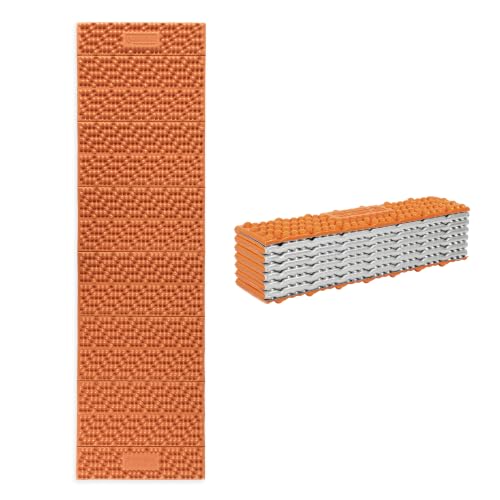
- Hexagonal design packs smaller
- Dual-density foam adds comfort
- Metallized film reflects body heat
Best For: Hikers wanting compact foam insulation with extra plushness
Trusted Classic Foam Pad
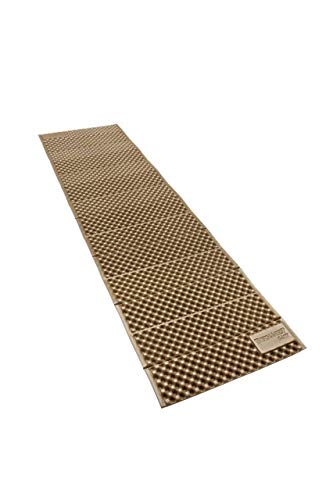
- 14 oz closed-cell foam pad
- Accordion folds for simple packing
- Dimpled surface helps trap heat
Best For: Budget-minded hikers seeking a proven, water-resistant classic
Waterproof Trail Foam Pad
Foldable IXPE Camping Mattress

- 396 g foldable foam pad
- Waterproof with aluminum film backing
- Insulation rating of 2.1
Best For: Thru-hikers wanting moisture protection and lightweight carry
Best All-Around Foldable Foam Pad
Abahub Foldable Foam Camping Sleeping Pad
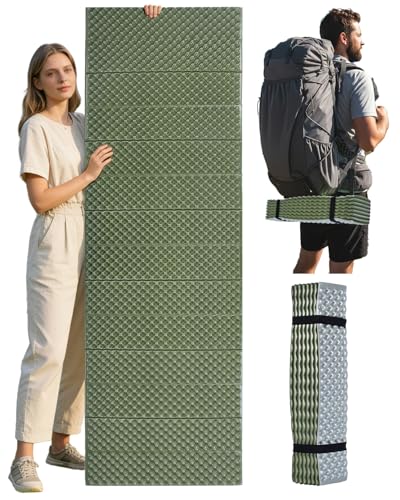
- 0.4 kg ultralight foldable design
- IXPE foam with reflective aluminum insulation
- Closed-cell build avoids deflation
Best For: Backpackers who want a lightweight, dependable foam pad with added warmth
Warmest Ultralight Foam Pick
Featherstone El Cordion Insulated Foam Mat
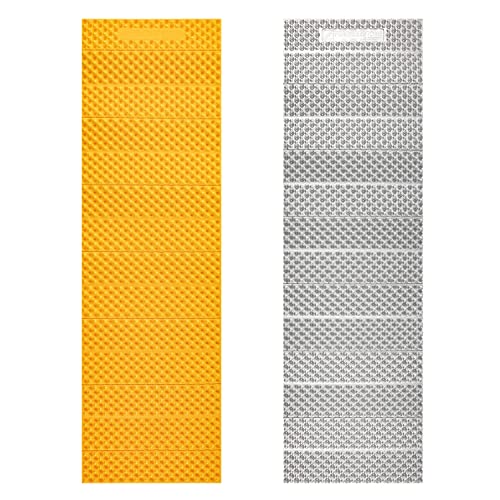
- ASTM-tested R-value 2.1 insulation
- Hexagonal nodes add more coverage
- Lifetime warranty from Featherstone
Best For: Thru-hikers needing a warm, durable foam pad
Lightest Simple Roll-Up Pad
Stansport Pack Lite Camping & Backpacking Sleeping Pad
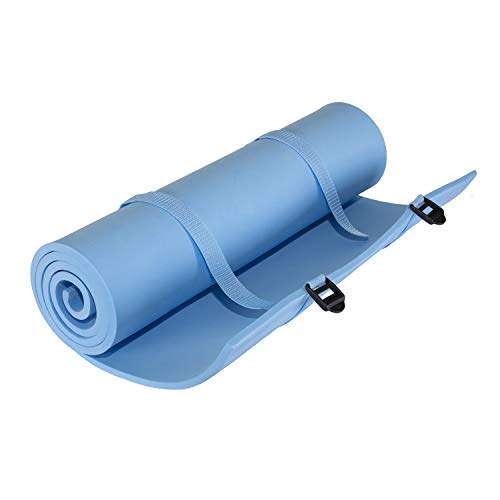
- 9.6 oz lightweight closed-cell foam
- Waterproof, puncture-proof construction
- Roll-up design with straps included
Best For: Budget hikers wanting a simple, durable foam mat
Peanut-Style Ultralight Pick

- Peanut-shaped accordion fold saves space
- Lightweight IXPE foam with closed-cell support
- Waterproof and won’t deflate like air pads
Best For: backpackers who want a compact, no-fuss foam pad
Heat-Reflective Backpacking Option
YIKI Closed Cell Foam Sleeping Pad

- 14 oz foldable pad for ultralight carry
- Aluminum layer helps reflect warmth
- Waterproof IXPE foam with elastic straps
Best For: hikers wanting a compact, warmer closed-cell pad
Upgraded Reflective Foam Pad

- Aluminum film adds heat reflection
- Peanut shape folds down compactly
- Moistureproof IXPE foam is durable
Best For: campers who want a reflective, easy-care foam pad
Classic Ultralight Foam Pad – Therm-a-Rest Z Lite Sol
Therm-a-Rest Z Lite Sol Camping and Backpacking Sleeping Pad, Blue/Silver, Regular - 20 x 72 Inches
Check Price On AmazonThe Therm-a-Rest Z Lite Sol is a classic ultralight foam sleeping pad built for backpackers who want a simple, durable, and packable ground pad. Its closed-cell foam construction, accordion fold, and reflective ThermaCapture coating make it a practical choice when low weight, warmth, and reliability matter more than plush thickness.
Best For: Backpackers and mountaineers who want a dependable, economical foam pad with added warmth.
Pros:
- Weighs 14 ounces and folds into a compact accordion shape.
- Reflective coating and dimples are designed to increase overall warmth by 20 percent.
- Dual-density foam adds comfort on top and insulation underneath.
- Trusted closed-cell design is durable and water resistant.
Cons:
- R-Value 2.0 is modest for colder conditions.
- Foam design is less cushioned than thicker inflatable pads.
This is a strong pick if you want a no-fuss ultralight foam sleeping pad with proven trail durability and straightforward packing. It favors reliability and warmth over softness, which is exactly what many fast-moving hikers need.
Packable Foam Insulation Pad – NEMO Switchback Foam Sleeping Pad
The NEMO Switchback is an ultralight foam sleeping pad designed around efficient packing, added warmth, and a more cushioned feel than basic foam mats. Its hexagonal nesting pattern, dual-density foam, and metallized thermal film make it a smart option for hikers who want compact carry size without giving up insulation.
Best For: Backpackers and mountaineers who want a packable foam pad with a bit more comfort and warmth.
Pros:
- Hexagonal nesting pattern helps reduce packed size.
- Dual-density Axiotomic foam balances comfort and support.
- Metallized thermal reflective film helps reflect heat back to your body.
- R-Value 2.0 offers basic insulation for cooler nights.
Cons:
- Not water resistant according to the product details.
- Still a foam pad, so cushioning is limited compared with thicker sleep systems.
If you want a lightweight foam pad that packs efficiently and adds warmth through reflective materials, this one stands out. It is a practical trail-ready choice for users who value simplicity, durability, and a slightly plusher foam feel.
Trusted Classic Foam Pad – Therm-a-Rest Z Lite Original
The Therm-a-Rest Z Lite Original is a straightforward ultralight foam sleeping pad for campers and backpackers who want a dependable, economical ground layer. Its accordion-style closed-cell foam design is easy to pack, and the dimpled surface is made to trap heat for added warmth on cold nights.
Best For: Budget-minded backpackers who want a classic, water-resistant foam pad with proven reliability.
Pros:
- Lightweight at 14 ounces and compact when folded.
- Closed-cell foam construction is durable and dependable.
- Dimpled design helps trap heat for extra warmth.
- Water resistant and backed by a limited lifetime warranty.
Cons:
- R-Value 1.7 is lower than more insulated foam pads.
- Basic foam layout will not feel as plush as thicker sleeping mats.
This pad makes sense if you want a proven ultralight foam sleeping pad that keeps things simple. It is especially appealing for hikers who prioritize durability, easy packing, and a trusted design over maximum cushioning.
Waterproof Trail Foam Pad – Foldable IXPE Camping Mattress
This ultralight foam sleeping pad uses IXPE foam and an aluminum film backing to create a simple, portable option for backpacking and thru-hiking. With a waterproof build, insulation rating of 2.1, and a foldable shape, it is aimed at travelers who want extra moisture protection and easy carry convenience.
Best For: Ultralight backpackers and thru-hikers who want a waterproof foam pad with reflective insulation.
Pros:
- Weighs 396 grams, making it easy to carry on the trail.
- Waterproof, moisture-proof, and corrosion-resistant construction.
- Aluminum film backing is designed to capture and circulate warmth.
- Wider 23.6-inch shape offers more room than some standard foam pads.
Cons:
- At 0.7 inches thick, it remains a fairly minimal sleep surface.
- Brand and material details are less established than legacy foam-pad options.
For users who want a no-frills foam pad with waterproofing and reflective insulation, this model covers the essentials. It is a practical pick for wet environments or minimalist trips where low weight and simple reliability matter most.
Best All-Around Foldable Foam Pad – Abahub Foldable Foam Camping Sleeping Pad
If you want an ultralight foam sleeping pad that is simple, reliable, and easy to pack, this Abahub foldable mat is built around those basics. Its closed-cell foam construction avoids deflation, while the aluminum film layer adds insulation for cold-weather comfort.
Best For: Backpackers and campers who want a foldable, no-fuss foam pad with solid warmth and easy carry.
Pros:
- Ultralight 0.4 kg design is easy to carry on hikes and trips
- IXPE foam plus heat-reflective aluminum film helps trap body heat
- Closed-cell construction means no deflation worries
- Wide 22-inch format adds usable sleeping space
Cons:
- At 0.71 inches thick, it is still a thin foam pad compared with inflatable options
- Folded size is compact, but not as small as some minimalist roll-up pads
Overall, this is a practical ultralight foam sleeping pad for buyers who value dependability, insulation, and quick setup over plush cushioning. It fits well for backpacking, camping, travel, and even non-camping uses like yoga or road trips.
Warmest Ultralight Foam Pick – Featherstone El Cordion Insulated Foam Mat
For buyers comparing an ultralight foam sleeping pad for colder backcountry trips, the Featherstone El Cordion stands out for its insulated build and broad coverage. It uses cross-linked polyethylene foam with a dual-density heat reflective film and carries an ASTM F3340-tested R-value of 2.1.
Best For: Thru-hikers and backpackers who want a warm, dependable foam pad with a lifetime warranty.
Pros:
- ASTM F3340 tested with an R-value of 2.1 for insulation
- Hexagonal nodes provide 40% more coverage and height than traditional egg-shell foam pads
- Ultralight and dependable since it will not deflate like air pads
- Backed by a limited lifetime manufacturing warranty
Cons:
- Not water resistant, so it is less protective in wet conditions than waterproof pads
- At 455 g, it is light but not the absolute lightest option in the lineup
This is a strong choice if warmth is your top priority in a foam pad and you want a proven backcountry option. The design balances insulation, coverage, and durability well for long-distance hiking and camping.
Lightest Simple Roll-Up Pad – Stansport Pack Lite Camping & Backpacking Sleeping Pad
If you need a straightforward ultralight foam sleeping pad for basic camping or backpacking, the Stansport Pack Lite keeps things simple. It uses closed-cell foam, rolls up for transport, and is waterproof and puncture-proof for low-maintenance outdoor use.
Best For: Budget-minded hikers and campers who want a lightweight, waterproof foam mat with a very simple design.
Pros:
- Very light at 9.6 ounces
- Waterproof and puncture-proof closed-cell foam construction
- Roll-up format with straps included for storage and transit
- Long 72-inch length suits full-body coverage
Cons:
- Only 19 inches wide, so it offers less shoulder room than wider pads
- At 3/8 inch thick, cushioning is limited
This pad is a good pick if you want a no-frills, reliable foam mat and are comfortable trading comfort for weight savings and simplicity. It is especially appealing for short trips, spare gear, or anyone who wants a durable backup pad.
Peanut-Style Ultralight Pick – Foam Camping Pads for Hiking
If you want an ultralight foam sleeping pad that packs smaller than a flat mat, this peanut-shaped closed-cell design is built for simple, dependable use. The accordion-style structure helps it nest tightly when folded, while the IXPE foam offers moisture protection and no-fuss insulation for camping, hiking, or extra ground cushioning.
Best For: Backpackers and campers who want a lightweight, waterproof foam pad that is easy to pack and won’t deflate overnight.
Pros:
- Peanut shape and accordion folding help save packed space
- Lightweight IXPE closed-cell foam provides pressure-point support
- Waterproof, moisture-proof build for outdoor use
- Won’t deflate like an air pad
Cons:
- Comfort is support-focused rather than plush
- Single-pack option only
This is a practical choice if your priority is low weight, simple durability, and reliable protection from damp ground. It also works as a seat, hammock-tent pad, or a layer to protect an inflatable mattress.
Heat-Reflective Backpacking Option – YIKI Closed Cell Foam Sleeping Pad
This ultralight foam sleeping pad is aimed at hikers who want compact packing, basic cushioning, and added warmth for cooler conditions. The IXPE closed-cell foam is paired with an aluminum-coated heat-reflective layer and waterproof surface, making it a versatile option for backpacking, tent camping, and multi-use outdoor setups.
Best For: Ultralight backpackers who want a foldable foam pad with heat reflection and waterproof protection.
Pros:
- Weighs only 14 oz for easy carry on long hikes
- Heat-reflective aluminum coating helps retain warmth
- Closed-cell IXPE foam adds cushioning and support
- Waterproof, moisture-resistant, and quick to clean
Cons:
- Folding design is compact, but still bulkier than inflatable pads
- Support is firm rather than soft
With its 1.8 R-value and durable foam construction, this pad makes sense if you want a simple three-season solution that is easy to stash and reuse. The included elastic straps also help keep it neatly packed between stops.
Upgraded Reflective Foam Pad – Foam Camping Pads for Hiking
If you want an ultralight foam sleeping pad with a little more warmth management, this upgraded version adds an aluminum film to the same packable closed-cell format. The peanut shape, accordion folding, and IXPE foam keep it practical for backpacking, while the reflective surface is meant to improve heat retention without adding much weight or bulk.
Best For: Campers and backpackers who want a lightweight reflective foam pad that is easy to clean and carry.
Pros:
- Aluminum film surface reflects heat for extra warmth
- Peanut shape and accordion fold improve packability
- IXPE closed-cell foam is moistureproof and durable
- Does not deflate like an air sleeping pad
Cons:
- Support remains firm, not cushioned like thicker pads
- Single-pad format may not suit users wanting wider coverage
This model is a straightforward upgrade if your priority is adding reflectivity while staying in the foam-pad category. It also doubles as a seat, hammock-tent layer, or protective barrier under an inflatable mattress.
How We Picked the Best Ultralight Foam Sleeping Pad
We prioritized the features that matter most in an Ultralight Foam Sleeping Pad: low weight, dependable insulation, packability, and long-term durability. We also looked for pads that suit different uses, from minimalist fastpacking to cold-weather layering and casual camping. Since foam pads are often chosen for backup sleep systems too, we gave extra credit to models that are easy to strap on the outside of a pack and quick to use in camp.
Quick Comparison
In general, the classic folding foam pads are best for durability and simplicity, while insulated or heat-reflective models offer better warmth for shoulder-season trips. Wider pads improve comfort for side sleepers, but they can add bulk and may be harder to carry. If you want the most straightforward option, choose a proven closed-cell design; if you want more comfort or warmth, look for added thickness, reflective layers, or a larger surface area.
Key Buying Factors for an Ultralight Foam Sleeping Pad
Weight and Packed Size
For backpacking, every ounce matters. A true Ultralight Foam Sleeping Pad should be light enough to carry without hesitation and compact enough to secure cleanly to your pack. Folding designs are usually easier to manage than bulky roll-up mats, but packed shape matters as much as raw weight.
Warmth and Insulation
Closed-cell foam naturally resists heat loss, but some pads add reflective layers or segmented patterns to improve thermal performance. If you camp in cool conditions, prioritize insulation over the lightest possible build.
Comfort and Dimensions
Length and width influence sleep quality more than many buyers expect. Taller hikers and side sleepers often do better with a wider or longer pad, while minimalist users may prefer a shorter pad that saves space and weight.
Durability and Weather Resistance
One of the biggest advantages of an Ultralight Foam Sleeping Pad is that it cannot be punctured the way inflatable pads can. Waterproof, puncture-resistant, and closed-cell construction are especially useful on rocky ground, wet campsites, and winter trips.
Who Should Buy Which Ultralight Foam Sleeping Pad?
Choose a classic closed-cell foam pad if you want the most dependable, low-maintenance option for backpacking or emergency use. Pick an insulated or reflective model if warmth is a priority and you camp in colder seasons. Go with a wider foam pad if comfort matters more than absolute savings in size. Budget shoppers can stick with basic folding pads, while frequent hikers may want a more refined pad from a trusted brand with a proven track record.
For most buyers, the best Ultralight Foam Sleeping Pad is the one that balances warmth, carry convenience, and durability for the conditions you actually face on trail.