A good winter sleep system starts from the ground up. If your pad can’t block cold from snow, frozen dirt, or an icy tent floor, even the warmest sleeping bag will struggle.
This roundup of the best insulated sleeping pad for winter camping options focuses on warmth, weight, comfort, and reliability so you can choose the right pad for your trips.
Best 10 Insulated Sleeping Pad for Winter Camping Picks for 2026
Winter Comfort Pick
Hikenture 4" Thick Self Inflating Sleeping Pad
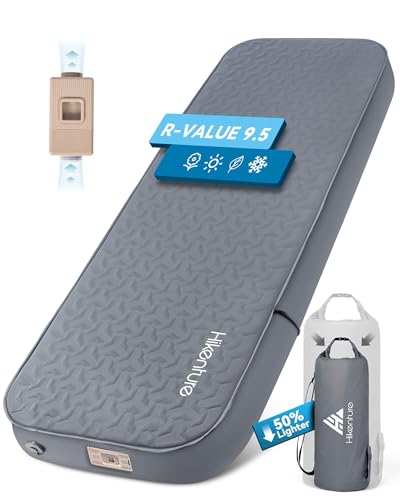
- 9.5 R-value for cold ground insulation
- 4-inch foam-and-air build for plush comfort
- Built-in electric pump speeds setup
Best For: Cold-weather campers who want a thicker, easy-to-use pad
Ultralight Foam Classic
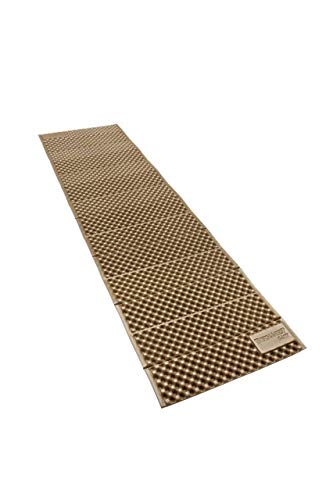
- Closed-cell foam is durable and packable
- Dimpled surface helps trap heat
- Weighs just 14 ounces
Best For: Ultralight users who need a tough foam pad with basic warmth
High-Warmth All-Season Choice
TEKIK Self Inflating Memory Foam Pad
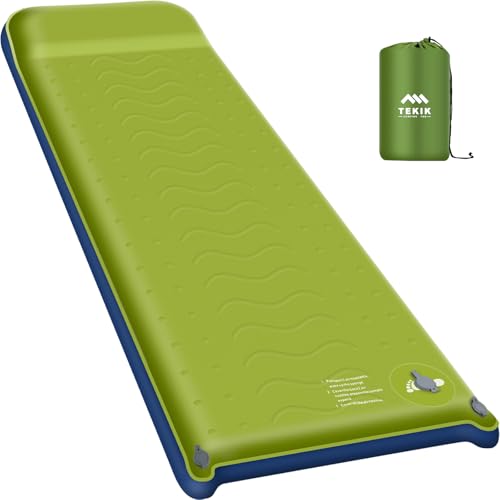
- 9.5 R-value for winter-ready insulation
- 50D memory foam adds pressure relief
- Folds compactly at under 4 pounds
Best For: Campers wanting high warmth with supportive foam comfort
Ultralight Trekker
Gear Doctors ApolloAir 5.2 R-Value

- 5.2 R-value insulation for colder trips
- 17-ounce weight supports backpacking
- Includes pump sack and repair kits
Best For: Backpackers who want a light insulated pad for shoulder-season and mild winter use
Premium Warmth for Ultralight Trips
TREKOLOGY UL R7 4" Insulated Pad

- 7.2 R-value for cold-ground insulation
- 4-inch thickness for supportive comfort
- 2 lbs and water-bottle-size packed form
Best For: Backpackers wanting maximum warmth with low pack weight
Easy-Setup Cold-Weather Comfort
Gear Doctors Oxylus Self-Inflating Pad
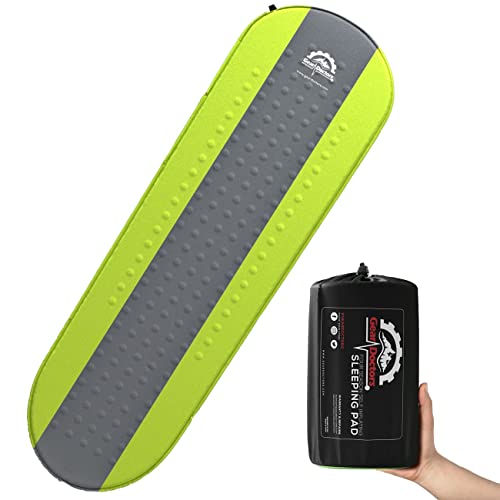
- 4.3 R-value for 4-season warmth
- Self-inflates in under 5 minutes
- 75D shell resists water and abrasion
Best For: Campers who want quick setup and dependable insulation
High-Insulation Trail Choice

- 7.2 R-value for cold-weather insulation
- 4-inch thick, 24-inch wide design
- 2 lbs packed weight for backpacking
Best For: Winter backpackers seeking warmth and portability
Ultralight Winter Warmth
BISINNA 9 R-Value Insulated Pad

- R-value 9 for strong cold-ground protection
- 9 cm thick with supportive cushioning
- 2 lb weight and compact packed size
Best For: Backpackers needing maximum insulation in a light, packable pad
Balanced 4-Season Comfort
Trekology ALUFT R5 Insulated Pad

- SGS-certified R-value 5.5 for 4-season use
- 4-inch loft and rectangular shape improve comfort
- 40D nylon build is waterproof and quieter
Best For: Campers wanting a warm, roomy all-season pad with solid portability
Cold-Weather Value Pick

- R-value 7.2 for winter and alpine use
- 3.9-inch thick inflatable design for comfort
- 28 oz weight with pump sack included
Best For: Winter backpackers wanting high insulation in a lightweight pad
Winter Comfort Pick – Hikenture 4" Thick Self Inflating Sleeping Pad
If you want an insulated sleeping pad for winter camping that leans more toward comfort than minimalism, this Hikenture pad is built to keep cold ground at bay. Its 9.5 R-value, 4-inch foam-and-air construction, and built-in electric pump make it a practical choice for tent, car, cot, or truck camping when warmth and easy setup matter.
Best For: Campers who want a warm, plush, easy-to-inflate pad for cold-weather basecamping or car camping.
Pros:
- 9.5 R-value insulation for cold and damp ground
- 4-inch thickness with foam support for extra comfort
- Built-in electric pump inflates in about 90 seconds
- Stretch-knit surface is designed to be quiet at night
Cons:
- At 5.4 pounds, it is not a lightweight backpacking option
- Single size may feel limiting for larger sleepers
- Best suited to comfort-focused setups rather than ultralight travel
Overall, this is a strong pick when winter warmth and convenience are higher priorities than packing small. The high R-value and thick foam construction make it especially appealing for cold-season camping where ground chill is a real concern.
Ultralight Foam Classic – Therm-a-Rest Z Lite Original
For anyone shopping for an insulated sleeping pad for winter camping with a simple, proven design, the Therm-a-Rest Z Lite Original is a dependable closed-cell foam option. Its dimpled foam structure is made to trap heat, and the folding accordion layout keeps it easy to stash on the trail.
Best For: Backpackers and mountaineers who want a rugged, lightweight foam pad with basic cold-weather insulation.
Pros:
- Closed-cell foam design is durable and dependable
- Dimpled surface helps trap heat in colder conditions
- Very light at 14 ounces
- Folds compactly for easy packing
Cons:
- R-value of 1.7 is modest for serious winter use alone
- Thin 0.75-inch profile offers limited cushioning
- Shorter length and narrower width may not suit everyone
This pad makes sense if you value simplicity, durability, and low weight over maximum warmth or plushness. For colder trips, it is better viewed as a reliable foam layer than a high-insulation winter-only solution.
High-Warmth All-Season Choice – TEKIK Self Inflating Memory Foam Pad
If your priority is a true insulated sleeping pad for winter camping, the TEKIK self-inflating pad is built around warmth and support. It pairs a 9.5 R-value with high-density memory foam, a waterproof TPU-coated stretch-knit surface, and a compact foldable design that still aims to stay portable.
Best For: Campers who want strong insulation, memory-foam comfort, and a compact pad for all-season trips.
Pros:
- 9.5 R-value and double-layer insulation for strong cold-weather protection
- 50D memory foam provides pressure relief and support
- Quiet stretch-knit fabric with waterproof TPU coating
- Folds to a compact size while weighing under 4 pounds
Cons:
- Uses a foot-pump finish rather than fully automatic inflation
- 2.6-inch thickness is less plush than the thickest camping pads
- Best fit is comfort-oriented camping, not ultralight minimalism
As a winter-ready option, this pad stands out for combining high insulation with a more travel-friendly footprint. It is a strong middle ground for campers who want warmth without giving up too much packability.
Ultralight Trekker – Gear Doctors ApolloAir 5.2 R-Value
For hikers looking for an insulated sleeping pad for winter camping without carrying a heavy mattress, the Gear Doctors ApolloAir focuses on low weight and packability. It offers 5.2 R-value insulation, air chambers for weight distribution, and a compact kit that includes a pump sack and repair pieces.
Best For: Backpackers who want a lightweight insulated pad with enough warmth for multi-season and light winter use.
Pros:
- 5.2 R-value provides meaningful insulation for cold conditions
- 17-ounce pad weight keeps pack weight low
- Inflates in under 2 minutes with the included pump sack
- Includes repair kits and a valve that accepts an F2 electric pump adapter
Cons:
- Lower R-value than true high-insulation winter pads
- Pump sack inflation may be less convenient than built-in pumps
- Best suited to hikers prioritizing weight savings over maximum plushness
This is the most travel-friendly option in the group for users who still want real insulation. It is a smart fit for backpacking when warmth matters, but shaving ounces still matters more.
Premium Warmth for Ultralight Trips – TREKOLOGY UL R7 4" Insulated Pad
If you want an insulated sleeping pad for winter camping that still keeps pack weight low, the TREKOLOGY UL R7 is built around warmth and portability. Its 7.2 R-value and 4-inch thickness are meant to block ground chill while giving side and back sleepers a supportive, roomy surface.
Best For: Backpackers and winter campers who want high insulation without carrying a bulky mat.
Pros:
- 7.2 R-value for strong all-season insulation against cold ground
- 4-inch thick inflatable design helps prevent bottoming out
- Weighs 2 lbs and packs down to about the size of a water bottle
- 40D ripstop nylon with TPU coating adds durability and water resistance
Cons:
- No built-in pump; inflates by mouth or separate pump bag
- Best suited to sleepers up to 5’11”
- May feel less compact than thinner minimalist pads once inflated
This is a strong pick if insulation is your top priority and you still want trail-friendly portability. The high R-value makes it especially relevant for cold-weather trips where ground insulation matters most.
Easy-Setup Cold-Weather Comfort – Gear Doctors Oxylus Self-Inflating Pad
The Gear Doctors Oxylus is a practical insulated sleeping pad for winter camping if you prefer a self-inflating design over a fully air-only pad. Its 4.3 R-value foam hybrid core is meant to provide reliable warmth and cushioning on cold, uneven terrain while keeping setup straightforward.
Best For: Campers and beginners who want a self-inflating pad with solid insulation and quick setup.
Pros:
- 4.3 R-value hybrid foam core for dependable 4-season insulation
- Self-inflates in under 5 minutes, then can be topped off by breath
- Compact packed size and 35.2 oz weight make it easy to carry
- 75D micro-coated polyester shell is water-resistant and abrasion-resistant
Cons:
- Thicker and heavier than ultra-minimal backpacking pads
- Inflated thickness is 1.5 inches, so cushioning is less plush than 4-inch models
- Requires some fine-tuning of firmness after self-inflation
For cold-weather camping where convenience matters, this pad strikes a nice balance between warmth, comfort, and easy use. It is especially appealing if you want a reliable sleep mat without relying entirely on manual inflation.
High-Insulation Trail Choice – TREKOLOGY UL R7 Green 4" Pad
The TREKOLOGY UL R7 Green is another strong insulated sleeping pad for winter camping, built with the same 7.2 R-value and 4-inch thickness as the blue version. It is designed to keep you warm against ground chill while staying light enough for hikers and backpackers who still want easy carry comfort.
Best For: Winter backpackers who want high insulation, low weight, and a wider sleeping surface.
Pros:
- 7.2 R-value offers excellent insulation in cold conditions
- 4-inch thickness and 24-inch width provide supportive comfort
- 2 lbs packed weight keeps it practical for trail use
- Patented anti-leak valve and TPU-coated 40D nylon improve reliability
Cons:
- No built-in pump; requires mouth inflation or a separate pump bag
- Best suited for sleepers up to 5’11”
- Pack size is still larger than a thin foam-only pad
If you want high thermal performance without giving up portability, this pad is easy to recommend. It is a straightforward option for cold nights when insulation and dependable construction matter most.
Ultralight Winter Warmth – BISINNA 9 R-Value Insulated Pad
If you want an insulated sleeping pad for winter camping that still stays backpack-friendly, this BISINNA model stands out for its very high R-value and compact packed size. It is built to block cold from snow or frozen ground while still giving you a thick, supportive sleep surface for backpacking and cold-weather trips.
Best For: Backpackers and winter campers who want maximum insulation in a lightweight, compact pad.
Pros:
- R-value 9 with 9-layer construction for strong cold-weather insulation.
- 9 cm thickness and firm support help cushion rocks, roots, and tent floors.
- Includes a pump sack that inflates the pad in about 30-45 seconds.
- Lightweight at 2 lb with a small packed size for easy carrying.
Cons:
- At 25.5 inches wide, it may feel narrow for sleepers who prefer extra room.
- Requires care to avoid sharp objects and is spot-clean only.
For cold nights where insulation matters more than anything else, this pad brings a strong warmth-to-weight balance. It is a practical pick if you want serious winter performance without hauling a bulky mattress.
Balanced 4-Season Comfort – Trekology ALUFT R5 Insulated Pad
This insulated sleeping pad for winter camping is a good middle-ground option if you want dependable warmth without going to an extreme weight or price profile. Trekology rates it at R 5.5 and pairs that with a 4-inch loft, a rectangular shape, and a quiet 40D nylon build for more comfortable overnight use.
Best For: Campers and hikers who want a warm, roomy 4-season pad with strong all-around comfort.
Pros:
- SGS-certified R-value 5.5 for reliable 4-season insulation.
- 4-inch thickness and horizontal baffles help reduce bottoming out.
- Rectangular 75″ x 25″ shape helps keep you on the pad.
- 900g-class weight and compact packed size make it trail-friendly.
Cons:
- Not as highly insulated as top-tier winter pads with much higher R-values.
- At nearly 4 inches thick, it may feel tall for users who prefer a lower profile.
Overall, this is a well-rounded choice for cold nights when comfort and portability both matter. If you need a winter-capable pad that still feels roomy and stable, it fits the brief well.
Cold-Weather Value Pick – 7.2 R-Value Ultralight Pad
For shoppers comparing an insulated sleeping pad for winter camping, this pad offers a strong mix of warmth, thickness, and portability. Its 7.2 R-value is aimed squarely at cold-weather use, while the 3.9-inch profile and included pump sack keep setup simple on trail or at camp.
Best For: Winter backpackers and cold sleepers who want high insulation without a heavy pack.
Pros:
- R-value 7.2 is built for cold weather and 4-season camping.
- 3.9-inch thickness adds comfort for side, back, and stomach sleepers.
- Ultralight at 28 oz, with a compact packed size for backpacking.
- Pump sack and repair kit are included for easier setup and field use.
Cons:
- Single size may not suit campers who want extra width or length.
- Hand-wash care only, so maintenance is a little more hands-on.
This is a strong all-around option if your priority is winter-ready insulation in a lightweight package. It should appeal to backpackers who want warmth, quick inflation, and easy packing in one pad.
How We Picked the Best Insulated Sleeping Pad for Winter Camping
We focused on pads with strong insulation for cold conditions, practical trail weight, and usable comfort for winter nights. We also looked for a mix of foam, self-inflating, and inflatable designs so there’s an option for backpackers, car campers, and everyone in between.
For an Insulated Sleeping Pad for Winter Camping, the most important signals are R-value, thickness, durability, and how easy the pad is to pack and inflate in freezing weather.
Quick Comparison
If you want the simplest rule: higher R-value generally means better cold-weather performance, while thicker pads usually feel more comfortable but may add weight and bulk. Foam pads are dependable and simple, self-inflating pads balance convenience and insulation, and ultralight inflatables are best when pack weight matters most.
Key Buying Factors for an Insulated Sleeping Pad for Winter Camping
R-Value
R-value is the clearest measure of insulation. For winter camping, prioritize a pad with enough thermal resistance for the ground conditions you expect. Colder trips, snow camping, and shoulder-season storms all benefit from higher R-values.
Thickness and Stability
More thickness can improve side-sleeping comfort and help you stay off hard ground. Just make sure the pad still feels stable enough for your sleep style. Wider rectangular shapes can also reduce cold spots caused by rolling off the pad.
Weight and Packed Size
Backpackers should weigh insulation against packability. A heavier self-inflating or foam pad may be worth it for base camp, while an ultralight insulated air pad is often the better choice for long hikes.
Reliability in Cold Weather
Some inflatable pads are easier to use with a pump sack or manual inflation than with breath alone, which can reduce internal moisture buildup in freezing temperatures. Foam and self-inflating designs can also be appealing if you want fewer failure points.
Who Should Buy Which Insulated Sleeping Pad for Winter Camping?
Choose a foam pad if you want maximum simplicity, durability, and dependable insulation. Pick a self-inflating model if you want a balance of comfort and convenience for car camping or short backcountry trips. Go with an ultralight inflatable if you need to save pack weight without giving up cold-weather protection.
If you sleep cold, camp on snow, or expect truly frigid conditions, prioritize the highest R-value you can reasonably carry. If your winter trips are milder or more shoulder-season than deep winter, a lighter insulated pad may be enough as long as it still offers solid ground protection.