Finding the best posture corrector for seniors means balancing gentle support with comfort, easy adjustment, and freedom of movement. The right brace can encourage better upper-body alignment during everyday activities without feeling restrictive.
We compared 10 popular options for adults seeking shoulder, upper-back, or full-back support. Use the guide below to narrow your choice by fit, support level, materials, and intended use.
Best 10 Posture Corrector for Seniors Picks for 2026
Comfort-Focused Pick

- Breathable, adjustable upper-back brace
- Fits 30- to 43-inch chests
- Lifetime warranty included
Best For: Gradual, discreet everyday posture support
Full-Back Support Pick
Copper Fit Max Posture Support
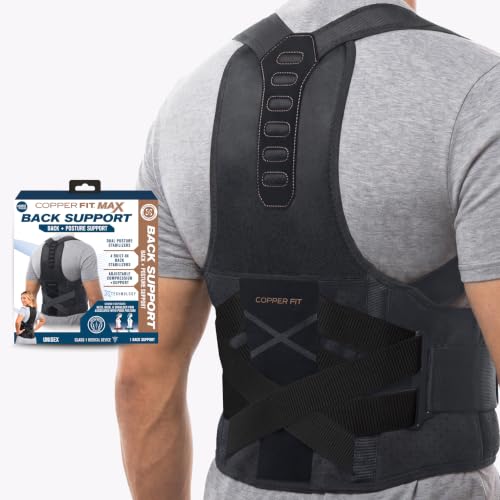
- Reinforced full-back coverage
- Adjustable Power “X” compression straps
- Breathable mesh for extended wear
Best For: Broader support during sitting, standing, and movement
Discreet Daily-Wear Pick

- Fits 28- to 43-inch chests
- Designed to wear under clothing
- Supports shoulders and clavicle area
Best For: Low-profile posture support across daily activities
Posture-Training Pick
Fit Geno Shoulder Support Brace

- Four flexible fiberglass support stays
- Breathable, low-profile mesh design
- Adjustable shoulder and waist support
Best For: Natural movement and gradual posture habit building
Everyday Alignment
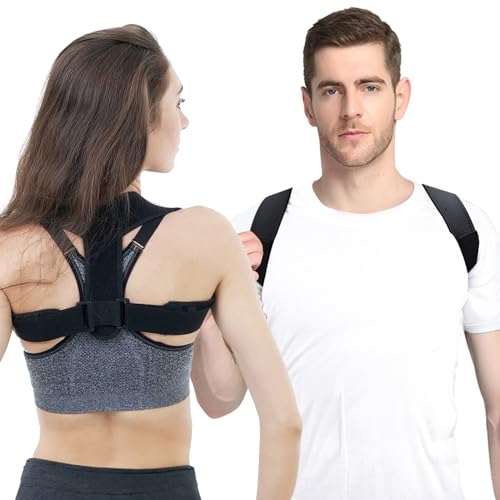
- Lightweight, breathable fabric
- Supports shoulder opening and upright posture
- Slim profile for daily wear
Best For: Adults wanting a discreet brace for everyday posture practice
Discreet Daily Support
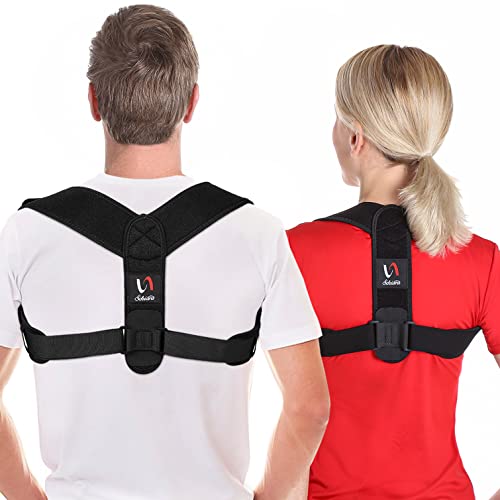
- Designed to hide under clothing
- Adjustable for 30–42-inch chests
- Soft, breathable, washable material
Best For: Adults seeking short-duration, discreet posture support
Structured Spine Support

- Four aluminum support stays and lumbar panel
- Removable 3D lumbar pad
- Breathable fabric with anti-slip strips
Best For: Adults wanting structured lumbar and posture support
Comfort-Focused Support
Breathable 5-Rod Posture Corrector

- Five flexible rods provide stable full-back support
- Breathable mesh helps manage heat and moisture
- Adjustable, armpit-friendly straps for daily wear
Best For: Seniors wanting lightweight support for gradual posture training
Versatile Full-Back Brace
Adjustable Lumbar Support Back Brace

- Supports shoulders, chest, back, and lumbar area
- Removable support strip allows pressure adjustment
- Breathable mesh and included storage bag add practicality
Best For: Seniors wanting adjustable full-back and waist support
Senior-Oriented Stability
Dynamic Full-Back Posture Brace

- Covers the upper, mid-back, and lumbar areas
- Wide dual-layer belt adds adjustable waist support
- Designed for movement and extended everyday wear
Best For: Seniors needing broad support for daily activities and sitting
Comfort-Focused Pick – ComfyBrace Posture Corrector
For shoppers comparing a posture corrector for seniors, the ComfyBrace is a lightweight, adjustable upper-back brace designed for gradual daily wear. Its breathable polyester construction fits 30- to 43-inch chests and is intended to support more upright posture during walking, standing, or other everyday activities.
Best For: Seniors seeking a soft, low-profile posture brace with gradual adjustment and a broad lifetime warranty.
Pros:
- Adjustable, breathable design for chest sizes from 30 to 43 inches
- Lightweight construction and soft material intended for comfortable wear under clothing
- Designed for gradual use, starting with short 5- to 10-minute sessions
- Includes a lifetime warranty
Cons:
- Hand-wash care is required
- Not a substitute for medical or surgical treatment, particularly for severe back problems
The ComfyBrace is a practical choice when comfort, adjustability, and discreet wear matter most. Users with serious pain or an injury should seek medical advice before relying on a posture brace.
Full-Back Support Pick – Copper Fit Max Posture Support
For seniors who want broader coverage from a posture corrector for seniors, the Copper Fit Max combines reinforced support panels, targeted compression, and an adjustable Power “X” strap system. The L/XL size is intended for 34- to 48-inch waists, with breathable mesh for extended wear.
Best For: Seniors who prefer full-back support and adjustable compression during sitting, standing, and daily movement.
Pros:
- Full-back coverage designed to support the shoulders, upper back, and lower back
- Adjustable Power “X” straps allow personalized compression
- Breathable mesh promotes airflow during extended wear
- Designed to help reduce strain and fatigue during everyday activities
Cons:
- L/XL sizing covers 34- to 48-inch waists; careful measurement is important
- The fuller wrap design may feel less discreet than a simple upper-back brace
This model is suited to shoppers who want stability beyond shoulder positioning alone. Measure at belly-button level and size up if between sizes, as recommended by the manufacturer.
Discreet Daily-Wear Pick – Adjustable Upper Back Brace
This adjustable upper-back brace is a straightforward option for seniors shopping for a posture corrector for seniors that can be worn beneath clothing. It supports the upper back, shoulders, and clavicle area, fits 28- to 43-inch chests, and is positioned for work, exercise, relaxation, and daily wear.
Best For: Seniors wanting a discreet, versatile brace for daily posture support under clothing.
Pros:
- Fits a wide range of 28- to 43-inch chest sizes
- Designed to remain discreet under clothes
- Adjustable shoulder and clavicle support
- Suitable for office work, exercise, yoga, or relaxation
Cons:
- The notes do not specify a warranty or detailed care instructions
- Upper-back coverage may offer less lower-back support than a full-back design
This brace makes sense for buyers who prioritize versatility and a low-profile fit. Its broad chest range is useful, but sizing and comfort should still be checked before extended wear.
Posture-Training Pick – Fit Geno Shoulder Support Brace
The Fit Geno is a flexible option for seniors seeking a posture corrector for seniors that encourages awareness rather than rigid immobilization. Four lightweight fiberglass stays help stabilize the upper back, while breathable mesh, adjustable shoulder straps, and waist support are intended for sitting, standing, driving, commuting, and light daily activities.
Best For: Seniors who want adjustable, breathable support that allows natural movement and can be introduced gradually.
Pros:
- Four lightweight fiberglass stays provide stable but flexible upper-back support
- Breathable mesh and a slim profile can fit under most clothing
- Dual shoulder straps and waist support allow a personalized fit
- Removable support rods and gradual wear guidance support customization
Cons:
- Correct sizing is important for comfort and stability
- Hand-wash care is required
- It is intended as a posture-training aid, not rigid immobilization
The Fit Geno stands out for combining structure with freedom of movement. It is a good match for everyday posture habits, especially when paired with stretching and strengthening exercises as suggested in the product notes.
Everyday Alignment – Slim Back Straightener
For shoppers comparing a posture corrector for seniors, this lightweight back straightener emphasizes a slim, breathable design for gradual daily posture practice. It is intended to help open the shoulders and support more upright sitting, standing, and walking.
Best For: Adults seeking a discreet brace for desk work, errands, driving, walking, or other everyday routines.
Pros:
- Soft, breathable, ultra-light, and ultra-thin fabric is designed for comfortable wear.
- Supports the shoulders and upper back while encouraging posture awareness.
- Its slim profile can work with office wear and other daily clothing.
- Suitable for indoor and outdoor activities, including work, leisure, and light exercise.
Cons:
- The product is intended for adults, with no senior-specific sizing information provided.
- The notes recommend starting with only 1–2 hours of wear per day, so it may require gradual adjustment.
- Specific size measurements are not supplied in the product information.
This is a straightforward option for someone who values light fabric and a low-profile design. Buyers should confirm fit and use it gradually, especially if comfort is a concern.
Discreet Daily Support – Adjustable Upper-Back Brace
This adjustable brace is a practical posture corrector for seniors who prefer a lightweight design worn beneath clothing. Its buckle adjustment and breathable, washable material make it suited to short, gradual wear during ordinary activities.
Best For: Adults with a 30–42-inch chest who want discreet upper-back, shoulder, and neck alignment support.
Pros:
- Designed to be invisible under clothes and made from lightweight, soft, breathable material.
- Adjustable buckle and back pad allow users to customize the fit.
- Washable fabric supports regular use.
- Clear wear guidance recommends beginning with 20–30 minutes to 1 hour daily and increasing gradually.
Cons:
- Fit is limited to a stated 30–42-inch chest range, so measurement is important.
- It should not be worn for more than two continuous hours according to the supplied guidance.
- Users should stop immediately if numbness, swelling, or discoloration occurs.
This model stands out for discreet wear and explicit adjustment guidance. It may suit seniors who want a modest introduction to posture support, provided the chest measurement and comfort limits are observed.
Structured Spine Support – Lumbar Alignment Brace
For seniors comparing a posture corrector for seniors with more structured back support, this brace combines shoulder adjustment with lumbar components. It includes aluminum support stays, a lumbar panel, a removable 3D pad, and anti-slip strips for stability during sitting or walking.
Best For: Adults seeking adjustable whole-back support for posture correction, lumbar support, or walking-related use.
Pros:
- Four ergonomic aluminum stays and a lumbar panel provide more structured support.
- Removable 3D lumbar pad allows the support setup to be adjusted.
- Breathable 3D knitted fabric and perforated shoulder straps are designed to manage heat and sweat.
- Anti-slip strips help keep the brace in place during activity or sitting.
Cons:
- The listed medium size fits a 32–40-inch waist, so buyers should verify measurements.
- At 1.1 pounds, it is heavier than a minimalist posture brace.
- Hand-wash-only care may require extra maintenance.
This is the most supportive and structured option of the three, but its added components also make it heavier and more involved. It may be a better match for users prioritizing lumbar stability over an ultra-discreet feel.
Comfort-Focused Support – Breathable 5-Rod Posture Corrector
If you want a posture corrector for seniors that is adjustable and suitable for gradual daily use, this model combines five flexible ABS support rods with breathable mesh fabric. Its shoulder straps are designed to guide the shoulders back without excessive underarm pressure, and the manufacturer suggests starting with 1–2 hours per day.
Best For: Seniors seeking lightweight upper- and lower-back support for work, home, exercise, or recovery routines.
Pros:
- Five flexible support rods provide stable full-back support.
- Breathable, lightweight mesh is designed to help keep the back cool and dry.
- Adjustable, armpit-friendly shoulder straps and multiple sizes support a more personalized fit.
Cons:
- The product may have a temporary odor after sealed packaging and may need 2–5 days of ventilation.
- Correct strap adjustment may require following the included wearing guidance.
This is a practical option for seniors who prioritize breathable materials and moderate, habit-building support. Measure carefully, wear it over a short-sleeve shirt, and consider the larger size when between sizes.
Versatile Full-Back Brace – Adjustable Lumbar Support Back Brace
This posture corrector for seniors is designed for users who want combined shoulder, back, and lumbar support. It uses adjustable shoulder straps, a widened waist belt, perforated elastic, and breathable mesh, while the withdrawable support strip allows pressure adjustment and cleaning.
Best For: Seniors who want a versatile brace with adjustable full-back and lumbar support for everyday wear.
Pros:
- Three-in-one design supports the back, chest, and shoulders.
- Widened waist belt and elastic construction provide adjustable lumbar support.
- Dense mesh is intended to offer a breathable, skin-friendly wearing experience.
- Includes a storage bag and a removable support strip.
Cons:
- Hand washing is required for care.
- The size should be selected by measuring waist circumference at the navel.
Choose this model if you prefer a more structured brace with useful adjustability and storage. Because the fit depends on waist measurement, consult the size chart and choose the larger size if between sizes.
Senior-Oriented Stability – Dynamic Full-Back Posture Brace
Designed specifically for senior women and men, this posture corrector for seniors provides coverage from the upper back through the lumbar area. Its dual-layer waist belt, shoulder straightener, and adjustable straps are intended to support upright posture during walking, gardening, housework, or extended sitting.
Best For: Seniors seeking broad back coverage and adjustable support during everyday activities and prolonged sitting.
Pros:
- Full-back design covers the upper, mid-back, and lumbar regions.
- Extra-wide dual-layer waist belt provides adjustable lumbar support.
- Shoulder-opening structure helps guide the shoulders backward.
- Lightweight, breathable construction is designed for extended wear and movement.
Cons:
- This listing is offered in a large size, so careful measurement is important.
- Hand washing is required for care.
This model stands out for its senior-focused design and wide-area support. It may suit active daily routines, but confirm that the large size and adjustable structure match your body measurements and comfort preferences.
How We Picked the Best Posture Corrector for Seniors
We focused on practical features that matter most in daily use: adjustability, ease of putting on and removing, padding, breathability, range of motion, and the type of support provided. We also considered whether each design targets the shoulders and upper back, adds lumbar support, or uses a more structured alignment system.
A posture corrector should provide a reminder to sit or stand more upright, not force the body into an uncomfortable position. Product descriptions and available specifications were weighed alongside likely use cases, including desk work, walking, household tasks, and short periods of wear.
Quick Comparison
- Lightweight shoulder support: Choose a simple, adjustable upper-back brace for gentle posture reminders and discreet wear under loose clothing.
- More structured support: Look for designs with reinforced panels, vertical alignment features, or broader straps when you want stronger guidance.
- Lower-back coverage: Full-back and lumbar-support models may suit users who want support beyond the shoulders, but they can feel warmer and bulkier.
- Longer daily wear: Prioritize breathable materials, soft edges, adjustable tension, and padding at contact points.
Key Buying Factors for a Posture Corrector for Seniors
Fit and Adjustability
Accurate sizing is essential. Measure as directed by the manufacturer rather than relying only on clothing size. Wide adjustment ranges are useful when layers change or when different users share similar equipment. Straps should feel secure without digging into the shoulders, chest, or underarms.
Support Level
Gentle braces are usually best for posture reminders and routine activities. More rigid or full-back designs may provide additional guidance but can restrict movement or create pressure. Seniors should generally begin with limited wear time and increase gradually if the brace remains comfortable.
Comfort and Breathability
Soft padding, smooth seams, lightweight construction, and ventilated fabric can make a major difference. If a brace causes sweating, rubbing, numbness, or skin irritation, stop using it and reassess the fit.
Ease of Use
Choose a design that can be put on, adjusted, and removed without difficult buckles or excessive reaching. Simple straps are often more practical for independent users, while a caregiver may prefer a wider support system that is easy to position.
Safety and Expectations
A posture brace is not a substitute for medical care, physical therapy, or treatment for persistent pain. Anyone with significant back, shoulder, neck, circulation, or nerve problems should ask a healthcare professional before using one. Avoid overtightening, and do not wear a brace continuously unless instructed by a clinician.
Who Should Buy Which Posture Corrector for Seniors?
For gentle posture reminders: Select a lightweight upper-back model with flexible adjustment and minimal bulk.
For users wanting broader coverage: Consider a full-back or lumbar-support brace, especially if shoulder-only designs do not feel supportive enough.
For active daily routines: Look for breathable materials, stable straps, and a design that allows natural arm movement while walking or completing chores.
For sensitive skin or extended wear: Favor padded, smooth, moisture-managing construction and test the brace over short intervals first.
The best Posture Corrector for Seniors is the one that fits securely, feels comfortable, and encourages better alignment without causing pain or limiting normal movement.