The right lifting belt can add dependable midsection support without limiting your movement. Nylon models are popular because they are lightweight, flexible, and easy to adjust between sets.
We compared 10 nylon weightlifting belts across fit, closure design, back support, versatility, and value to help you choose a belt that matches your training style.
Best 10 Nylon Weightlifting Belts Picks for 2026
Reliable Nylon Support
Harbinger 4-Inch Nylon Weightlifting Belt

- Flexible nylon web balances comfort and durability.
- Reinforced stitching supports uniform belt stability.
- Steel roller buckle provides simple tensioning.
Best For: Heavy lifting with traditional buckle adjustment
Simple Customized Fit
Schiek Sports Model 2004 Nylon Belt
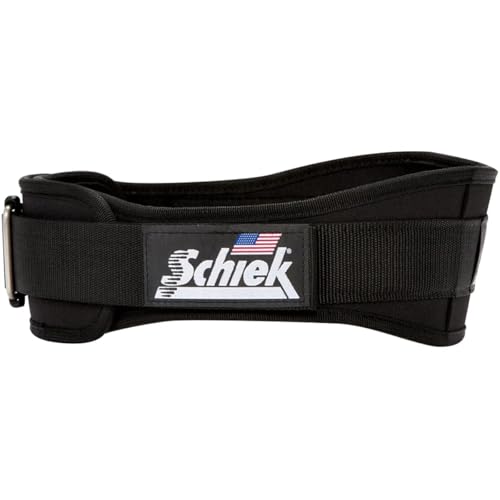
- 4.75-inch nylon profile offers broad support.
- One-way buckle enables quick adjustments.
- Designed for lifting, power lifting, and bodybuilding.
Best For: General gym training with easy buckle adjustment
Fast Training Transitions

- Quick-locking metal buckle minimizes adjustment time.
- Uniform 4-inch width supports consistent coverage.
- High-grade nylon and reinforced stitching target durability.
Best For: Cross-training and lifting sessions with frequent transitions
Best Competition-Ready Pick

- 4-inch competition-friendly nylon profile
- Full-metal self-locking buckle
- Breathable, washable, and foldable
Best For: Olympic lifting, powerlifting, and functional fitness
Best Contoured Support
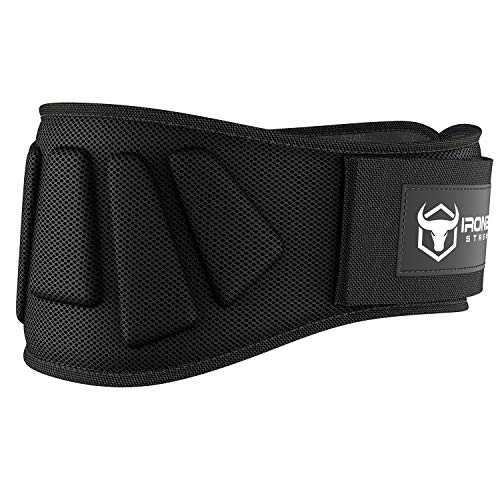
- Wide 6-inch support area
- Contoured design allows movement
- Auto-lock buckle and Velcro strap
Best For: Heavy lifting and cross-training with added lumbar coverage
Best Wide-Belt Value

- Contoured 6-inch core support
- Quick hook-and-loop adjustment
- Multiple sizes and colors
Best For: Squats, deadlifts, and strength training with padded support
Best Neoprene-Nylon Hybrid
DMoose 6-Inch Adjustable Weightlifting Belt

- Neoprene and nylon construction
- 6-inch padded back support
- Adjustable hook-and-loop closure
Best For: Comfort-focused strength training and compound lifts
Reliable Nylon Support – Harbinger 4-Inch Nylon Weightlifting Belt
For lifters comparing nylon weightlifting belts, the Harbinger 4-Inch model combines a thick, flexible nylon web with reinforced stitching and a steel roller buckle. Its extra-wide support strap is designed to provide added lower-back and abdominal support during heavier lifts.
Best For: Lifters who want a traditional nylon belt with straightforward buckle tensioning and reinforced construction.
Pros:
- Extra-wide 3-inch support strap adds lower-back and abdominal support.
- Parallel lines of 346-count nylon stitching run the belt’s length for consistent support.
- Heavy-gauge steel roller buckle makes tensioning simple.
- Available in four waist-size ranges from 24 to 42 inches.
Cons:
- The listed medium size fits a 29-to-33-inch waist, so careful measuring is important.
- Its 4-inch belt profile may feel more substantial than a lightweight training belt.
The Harbinger is a practical choice when durability, warmth, and dependable support matter more than rapid buckle changes. Measure around your waist before selecting a size.
Wide Core Stability – RitFit 6-Inch Weight Lifting Belt
The RitFit is one of the more supportive nylon weightlifting belts in this lineup, using a 6-inch contoured profile to cover the back, abs, and core. Its hook-and-loop closure and stainless steel buckle allow quick adjustments between exercises.
Best For: Squat, deadlift, lunge, and core-training sessions where broad lumbar coverage and quick fit changes are priorities.
Pros:
- Extra-wide 6-inch contoured design provides comprehensive core and back support.
- Reinforced tricot construction is designed for comfort and durability.
- Hook-and-loop strap and stainless steel buckle enable quick adjustment.
- Available in sizes S through XXL and several colors.
Cons:
- The 6-inch profile may feel bulky compared with narrower belts.
- The listed small size fits a 26-to-32-inch range, so consult the sizing guide before ordering.
Choose the RitFit if you prefer extensive coverage and a snug, adjustable fit. Its wide profile is geared toward support-focused training rather than minimal bulk.
Simple Customized Fit – Schiek Sports Model 2004 Nylon Belt
The Schiek Sports Model 2004 offers a 4.75-inch nylon design for lower-back and core support during weight lifting, power lifting, and bodybuilding. Its one-way buckle system is intended to make fit adjustments quick and straightforward.
Best For: Men and women seeking a durable nylon belt with a simple one-way buckle for gym training.
Pros:
- 4.75-inch nylon design provides substantial back and core coverage.
- One-way buckle supports quick, customized adjustments.
- Designed for weight lifting, power lifting, and bodybuilding.
- Heavy-duty construction is intended for adult gym training.
Cons:
- The listed small size has a 32-inch length, so confirm fit before purchase.
- The wider profile may not suit lifters seeking a low-profile belt.
The Model 2004 is a straightforward option for lifters who value a supportive nylon build and easy buckle adjustment. Check the manufacturer’s sizing information to achieve a snug fit.
Fast Training Transitions – Gymreapers Quick Locking Belt
The Gymreapers Quick Locking Belt is a performance-focused choice among nylon weightlifting belts, using a uniform-width 4-inch design, reinforced stitching, and a quick-locking metal buckle. It is built for athletes moving between heavy lifts, cross-training exercises, and rest periods with minimal downtime.
Best For: Olympic lifting, powerlifting, bodybuilding, and fast-paced cross-training workouts that benefit from quick belt changes.
Pros:
- Quick-locking buckle supports fast unlocking and relocking.
- Uniform 4-inch width provides consistent support around the belt.
- Made from high-grade nylon with reinforced stitching.
- Competition tested and approved according to the supplied product notes.
Cons:
- Sizing should be based on measurement around the navel, not usual waist size.
- The listed medium model may not fit every user without careful measurement.
The Gymreapers stands out for its quick-locking hardware and consistent-width design. It is especially practical for varied workouts where repeatedly adjusting a belt can interrupt training flow.
Best Competition-Ready Pick – Element 26 Self-Locking Belt
If you want nylon weightlifting belts with a competition-friendly profile, the Element 26 Self-Locking Weight Lifting Belt combines a uniform 4-inch design with a full-metal buckle and precise adjustability. Its pliable nylon construction is designed to conform to your core without a break-in period.
Best For: Olympic lifting, powerlifting training, CrossFit-style workouts, and lifters who prioritize fast, secure adjustments.
Pros:
- Full-metal self-locking buckle engages under load, with a quick-release roller for removal and repositioning.
- Infinitely adjustable design helps fine-tune pressure for different lifts and body positions.
- Breathable 100% nylon is designed not to retain sweat and can be hand-washed.
- Uniform 4-inch profile is described as suitable for sanctioned Olympic lifting and functional fitness events.
Cons:
- The straight 4-inch profile may provide less contoured coverage than wider belts.
- The supplied listing identifies this model as a medium with an 89 cm waist size, so sizing should be checked carefully.
Among nylon weightlifting belts, this is a strong choice for lifters who want a light, foldable belt with a competition-oriented design and a highly secure closure.
Best Contoured Support – 6-Inch Auto-Lock Nylon Belt
This 6-inch nylon weightlifting belt emphasizes broad back and abdominal coverage while retaining a tapered shape for movement. Its auto-lock roller buckle and hook-and-loop strap are intended to provide a secure fit during squats, deadlifts, rows, and cross-training sessions.
Best For: Lifters seeking wide lumbar and abdominal support with a contoured, breathable design for varied workouts.
Pros:
- Reinforced 6-inch back area and 4-inch-wide Velcro strap provide substantial support.
- Contoured and tapered construction is designed to balance coverage with freedom of movement.
- Auto-lock roller buckle is intended to secure the belt reliably under heavy pressure.
- Neoprene and mesh construction is described as comfortable, lightweight, and breathable.
Cons:
- The 6-inch profile may feel bulkier than a uniform 4-inch nylon belt.
- The supplied listing specifies a medium size with a 30-inch waist; measurements should be compared with the sizing chart.
- The material is listed as neoprene and nylon rather than nylon alone.
For shoppers comparing nylon weightlifting belts, this model stands out for its wider contoured support and auto-lock fastening system, particularly when back coverage is a priority.
Best Wide-Belt Value – RitFit 6-Inch Lifting Belt
The RitFit Weight Lifting Belt is a 6-inch contoured option for lifters who want broad core and lumbar support during squats, deadlifts, lunges, and thrusters. A hook-and-loop closure with a stainless steel buckle allows quick adjustments, while the reinforced tricot construction is designed for regular training.
Best For: Strength trainees who prefer a wide, padded belt with quick adjustment and multiple size and color options.
Pros:
- Extra-wide 6-inch contoured design supports the back, abs, and core.
- Reinforced tricot construction is designed for comfort and durability without riding up or digging in.
- Hook-and-loop closure and stainless steel buckle allow quick fit adjustments.
- Available in sizes S through XXL and several colors, according to the supplied notes.
Cons:
- The supplied material detail lists ethylene vinyl acetate rather than nylon.
- A 6-inch belt may feel less streamlined than a narrower lifting belt.
- The supplied listing identifies this model as size L for 36–44-inch waists, so sizing must be verified.
This is a practical wide-belt choice for trainees who value padded support and adjustability. However, shoppers specifically seeking nylon weightlifting belts should note the listed EVA material.
Best Neoprene-Nylon Hybrid – DMoose 6-Inch Adjustable Weightlifting Belt
If you want nylon weightlifting belts with a soft, flexible feel, the DMoose combines nylon and neoprene construction with a broad 6-inch back-support panel. Its hook-and-loop closure, contoured shape, and locking mechanism are designed for adjustable support during squats, deadlifts, and intense training.
Best For: Lifters who want cushioned lumbar support and an easily adjustable belt for heavy strength workouts.
Pros:
- Neoprene-and-nylon construction balances flexibility and durability.
- 6-inch back support helps stabilize the torso during squats and deadlifts.
- Breathable 0.375-inch foam core adds cushioning for longer sessions.
- Hook-and-loop closure and an advanced locking mechanism support a secure fit.
Cons:
- The supplied details list only a medium size, so sizing should be checked carefully.
- The wide, padded design may feel less minimal than a lighter lifting belt.
The DMoose is a practical choice when comfort and broad back coverage matter as much as adjustability. Its padded neoprene design makes it especially appealing for general gym training and demanding compound lifts.
Best Wide Support – RitFit 6-Inch Weightlifting Belt
Among nylon weightlifting belts, the RitFit emphasizes wide, contoured support for the back, abs, and core. Its reinforced tricot construction, padded lumbar support, stainless steel buckle, and hook-and-loop strap make it suited to lifters who want a snug fit for squats, deadlifts, lunges, and other strength movements.
Best For: Men and women seeking broad core support with multiple size and color options.
Pros:
- Extra-wide 6-inch design supports the back, abs, and core.
- Reinforced tricot construction is designed for comfort and durability.
- Velcro strap and stainless steel buckle allow quick adjustments.
- Available in sizes S through XXL and several colors.
Cons:
- The supplied product details identify the material as ethylene vinyl acetate rather than nylon.
- The broad design may provide more coverage than some lifters need for lighter training.
The RitFit stands out for its wide lumbar coverage and versatile sizing. It is a strong option if you prefer a supportive, padded belt that can be adjusted quickly between exercises.
Best Competition-Ready Nylon – Iron Bull Strength Performance Belt
For athletes specifically comparing nylon weightlifting belts, the Iron Bull Strength Performance Belt offers a lightweight 100% nylon build and a contoured 4.5-inch profile. Its auto-lock steel buckle and hook-and-loop closure are designed for Olympic lifts, functional training, bodybuilding, squats, deadlifts, and overhead presses.
Best For: Olympic weightlifters and functional-fitness athletes who want a lightweight, competition-approved nylon belt.
Pros:
- Made from 100% nylon for a lightweight, breathable feel.
- Auto-lock steel buckle and hook-and-loop closure provide an adjustable fit.
- IWF and USAW approved according to the supplied product information.
- Backed by an Iron Bull Strength lifetime warranty.
Cons:
- The 4.5-inch profile provides less coverage than a 6-inch belt.
- The supplied details list a medium size, so confirm the fit before ordering.
The Iron Bull Strength is the most competition-focused choice in this group. Its nylon construction and narrower contoured profile favor mobility, while the auto-lock buckle adds confidence during technical and dynamic lifts.
How We Picked the Best Nylon Weightlifting Belts
We focused on the features that matter during real training sessions: secure closure systems, dependable adjustability, comfortable materials, useful back-panel dimensions, and suitability for exercises such as squats, deadlifts, Olympic lifts, and general strength work. We also considered whether each design is practical for different body shapes, training experience levels, and workout preferences.
Because listed specifications can vary by size and seller, confirm the manufacturer’s sizing chart, belt width, and closure details before ordering.
Quick Comparison
| What to Compare | Why It Matters |
|---|---|
| Width and support | Wider backs can feel more supportive, while narrower profiles may allow greater mobility. |
| Closure system | Hook-and-loop, lever-style, and auto-lock designs differ in speed, security, and adjustability. |
| Fit range | A broad adjustment range helps accommodate clothing layers and changing body measurements. |
| Training use | Some belts suit general workouts, while others are better aligned with heavy powerlifting or dynamic lifts. |
Key Buying Factors for Nylon Weightlifting Belts
Fit and Sizing
A belt should sit firmly around your waist without pinching or sliding. Measure where you plan to wear it and use the product’s waist-size range rather than your usual pants size. Avoid choosing a belt solely because it has a wider range; the adjustment point should still leave enough strap for a secure closure.
Width and Flexibility
Six-inch belts often provide broader lumbar coverage, while four-inch and similarly tapered designs can feel less restrictive during cleans, snatches, lunges, and other movements requiring torso mobility. Nylon generally offers more flexibility than rigid leather, but padding and reinforcement affect how supportive it feels.
Closure and Adjustability
Hook-and-loop closures are quick and highly adjustable. Auto-lock or quick-lock mechanisms can make tightening and releasing faster between sets, but inspect the buckle and strap for a secure connection. The best option is the one you can operate reliably while maintaining consistent tension.
Comfort and Durability
Look for smooth edges, supportive padding, reinforced stitching, and a strap that does not fold uncomfortably under load. A washable or easy-to-clean exterior is useful if you train frequently. Check the return policy in case the belt’s shape or stiffness does not suit your waist.
Who Should Buy Which Nylon Weightlifting Belts?
Choose a flexible, narrower belt if you prioritize mobility, varied workouts, Olympic lifting, or CrossFit-style movements. Choose a wider six-inch model if you want more back coverage for squats, deadlifts, and general strength training. Choose a quick-lock or auto-lock belt if you change exercises often and value fast adjustments. Choose a more structured design if you lift heavy and prefer a firmer, more stable feel.
Beginners should prioritize comfortable fit and simple adjustment over maximum width or the most complicated closure. Experienced lifters can focus more closely on support level, belt stiffness, and how the design complements their established bracing technique.