The best hiking backpack depends on your trail length, load, weather conditions, and preferred carrying style. This roundup compares 10 practical options, from compact packable daypacks to larger framed bags for overnight trips.
Use the guide below to match capacity, comfort, hydration features, and weather protection with the way you actually hike.
Best 10 Hiking Backpacks Picks for 2026
Best Overall Capacity

- 65-liter framed design for extended trips
- Adjustable torso and padded lumbar support
- Includes rainfly and hydration pocket
Best For: Multi-day hiking, camping, and backpacking
Best Tactical Organization
LHI 45L Military Tactical Backpack

- 45-liter capacity for three-day loads
- MOLLE system enables modular add-ons
- Padded back and straps with hydration holder
Best For: Hiking, travel, and modular everyday carry
Best Lightweight Daypack

- 40-liter lightweight ripstop design
- Rain cover included for wet weather
- Many pockets plus wet-item storage
Best For: Day hikes, travel, and organized outdoor carry
Best Hydration-Focused Pack

- Includes a 2-liter BPA-free bladder
- Insulated pocket helps keep water cold
- Five pockets in a lightweight 10-liter pack
Best For: Short hikes, running, cycling, and active outings
Best for Easy Setup
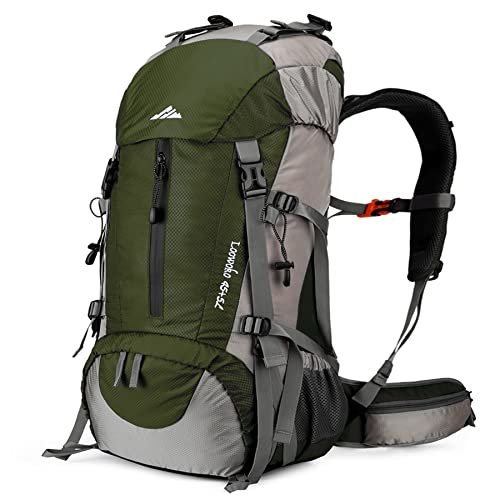
- 50L capacity for 3–5 day adventures
- Rain cover included for wet weather
- Six pockets plus gear attachment points
Best For: Multi-day hiking, camping, and backpacking
Best Packable Design

- Folds into its own compact pocket
- 35L capacity with wet-item compartment
- Water-resistant for splashes and light rain
Best For: Travelers, cyclists, and light day hikes
Best for Hydration
TETON Oasis Trailrunner Hydration Backpack
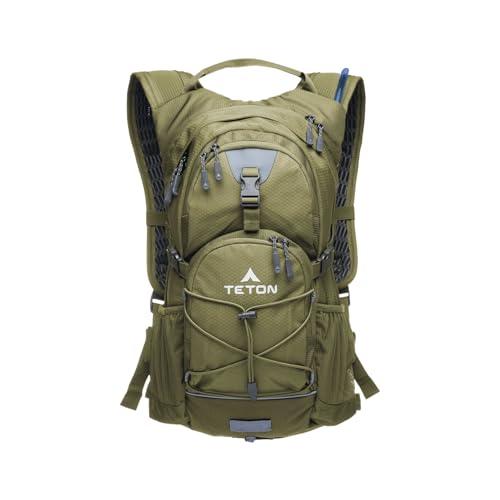
- Includes a 2L hydration bladder
- Insulated pocket helps keep water cool
- Sewn-in rain cover and six storage pockets
Best For: Hydration-focused hiking, running, and cycling
Ultra-Light Essentialist

- 0.76-pound pack folds into a compact pouch
- Ten pockets support detailed organization
- Water-repellent fabric with space for a 13-inch laptop
Best For: Travelers and day hikers who want a lightweight, highly organized backup pack
Roomy Packable Performer
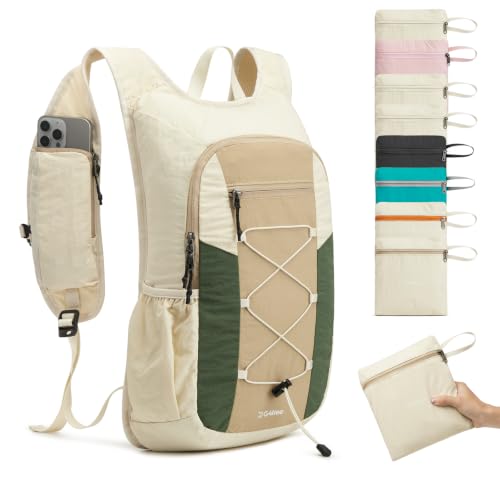
- 20-liter capacity in a 0.64-pound pack
- Folds into its own inner pocket
- Mesh straps and adjustable chest strap improve fit
Best For: Hikers and travelers who want the most capacity in a lightweight packable bag
Adventure-Ready Color Pop

- Quick-access phone and snack pockets on the straps
- Five-compartment layout with hidden back storage
- Reflective strips and chest strap support active use
Best For: Active users who want distinctive styling and accessible storage for short outings
Best Overall Capacity – Teton 65L Explorer
For hikers planning multi-day trips, the Teton Explorer is a hiking backpack built around generous storage and an internal frame. Its 65-liter capacity, adjustable torso, compression straps, and included rainfly make it a practical option when you need to carry camping equipment and clothing.
Best For: Multi-day hiking, camping, and backpacking trips where capacity and adjustable support matter.
Pros:
- Large 65-liter main capacity with a dedicated sleeping bag compartment.
- Multi-position torso adjustment accommodates medium and tall users.
- Open-cell foam lumbar padding and molded channels support airflow and comfort.
- Includes a rainfly, hydration pocket, and multiple compartments.
Cons:
- At 5 pounds, it is heavier than lightweight daypacks.
- The large framed design may be more pack than short hikes require.
This is a capable choice for hikers who prioritize organized storage and a customizable fit over minimum pack weight. The internal frame and compression system are especially useful when carrying a substantial load.
Best Tactical Organization – LHI 45L Military Tactical Backpack
The LHI 45L is a hiking backpack with a tactical layout, durable 900D Oxford nylon, and exterior MOLLE attachment points. Its multiple compartments, compression system, and laptop sleeve make it flexible for outdoor trips, travel, work, or daily carry.
Best For: Hikers who want modular organization, durable materials, and a pack that can also serve as a travel or everyday bag.
Pros:
- 45-liter capacity provides room for a three-day load.
- MOLLE webbing supports add-on pouches and accessories.
- Padded, ventilated back and shoulder straps improve carrying comfort.
- Includes a hydration bladder holder, bottle pocket, and laptop compartment.
Cons:
- Water resistance is listed as water repellent rather than fully waterproof.
- The tactical styling may be less suited to hikers seeking a conventional trail pack.
The LHI stands out for adaptable storage rather than ultralight trail performance. It is a useful compromise for users who want one rugged bag for hiking, travel, and organized daily gear.
Best Lightweight Daypack – Maelstrom 40L Hiking Backpack
The Maelstrom 40L is a hiking backpack designed for comfortable day trips and travel, with ripstop nylon, breathable padding, and extensive pocketing. It also includes a rain cover and features for trekking poles, hydration routing, and separating wet clothing.
Best For: Day hikes, camping, travel, and active users who value organization and weather protection.
Pros:
- Lightweight 40-liter design offers substantial day-trip storage.
- Includes a rain cover and uses water-resistant, tear-resistant ripstop nylon.
- Multiple pockets include waist storage, mesh side pockets, and a wet compartment.
- Breathable padded straps, a chest buckle, and hydration routing support long outings.
Cons:
- The notes do not specify an internal frame for heavier loads.
- Its large capacity may be more than needed for short walks.
With ten listed pockets and a rain cover, this pack favors convenient organization and versatility. It is a strong fit for hikers who want one lightweight bag for outdoor activities, travel, and everyday excursions.
Best Hydration-Focused Pack – MIYCOO 2L Hydration Backpack
The MIYCOO is a compact hiking backpack for keeping water accessible during hikes, runs, bike rides, and other active outings. It includes a 2-liter BPA-free bladder, an insulated bladder pocket, breathable mesh straps, and five pockets for small essentials.
Best For: Short hikes and high-movement activities where convenient hydration and a lightweight profile are priorities.
Pros:
- Includes a 2-liter food-grade, BPA-free water bladder.
- Insulated bladder pocket is designed to keep water cold for up to four hours.
- Breathable adjustable straps help promote airflow and reduce pressure.
- Five pockets include dual shoulder-strap phone pockets and an elastic gear cord.
Cons:
- The 10-liter capacity limits space for bulky clothing or camping equipment.
- It is better suited to short outings than multi-day hiking.
This pack prioritizes hydration over large-load hauling. Choose it when water access, phone storage, and a lightweight design matter more than extensive equipment capacity.
Best for Easy Setup – Loowoko 50L Hiking Backpack
The Loowoko 50L is a practical choice among hiking backpacks for multi-day trips, camping, and travel. Its large capacity, rain cover, multiple compartments, and attachment points help organize and carry substantial outdoor gear.
Best For: 3–5 day hikes, camping trips, backpacking, and travelers who need high capacity.
Pros:
- 50-liter capacity with a listed weight of 2.1 pounds
- Includes a waterproof rain cover for added weather protection
- Six external pockets, a shoe separator, compression straps, and gear attachment points
- Padded, breathable shoulder straps and back support help improve comfort
Cons:
- No internal frame
- Its larger capacity may be more than needed for short day hikes
- Listed as suitable for a maximum recommended load of 40 pounds
Choose this model when carrying capacity and organization matter more than a minimalist design. The rain cover and flexible attachment system add useful versatility for longer outdoor adventures.
Best Packable Design – MIYCOO 35L Hiking Daypack
The MIYCOO 35L stands out among hiking backpacks for travelers and day hikers who value low weight and easy storage. It folds into its own pocket, offers three compartments, and provides water resistance for splashes and light rain.
Best For: Travel, cycling, light hiking, and keeping a spare high-capacity bag in luggage.
Pros:
- Ultralight 12.8-ounce design folds into a compact pouch
- 35-liter capacity with three compartments and a wet-item compartment
- Water-resistant IPX4 fabric helps protect against splashes and light rain
- Includes zipper clips and a survival whistle on the shoulder strap
Cons:
- Water resistance is intended for splashes and light rain, not full waterproofing
- Its lightweight packable construction is designed for everyday activities rather than heavy loads
- No rain cover is listed as included
This is a convenient backup or travel hiking backpack when packability is the priority. Its generous capacity is useful for unexpected purchases, extra clothing, or day-trip supplies.
Best for Hydration – TETON Oasis Trailrunner Hydration Backpack
The TETON Oasis Trailrunner is one of the most practical hiking backpacks for activities where easy access to water is essential. It includes a 2-liter bladder, an insulated bladder pocket, organized storage, and a sewn-in rain cover for changing outdoor conditions.
Best For: Hiking, running, cycling, and biking trips where hands-free hydration is important.
Pros:
- Includes a 2-liter bladder with a kink-free tube and cushioned bite valve
- Insulated bladder pocket helps keep water cold for hours
- 18-liter storage capacity with six pockets
- Adjustable athletic fit, breathable foam shoulder straps, bungee storage, and sewn-in rain cover
Cons:
- 18-liter capacity is smaller than a traditional multi-day backpack
- Listed weight is 2 pounds before adding water and gear
- Hydration components require cleaning and maintenance
For active day outings, this hiking backpack offers a focused combination of hydration and compact gear storage. It is better suited to shorter adventures than extended trips requiring substantial equipment.
Ultra-Light Essentialist – 15L Foldable Hiking Daypack
For hikers who prioritize minimal weight and organization, this 15L hiking backpack combines a 0.76-pound design with water-repellent polyester and an unusually large pocket count. It folds into a compact pouch for travel while still accommodating everyday essentials and devices up to 13 inches.
Best For: Day hikes, travel, commuting, and keeping a compact backup bag in a suitcase or car.
Pros:
- Folds to approximately 7.48 by 7.87 inches for easy storage.
- Ten pockets, including an anti-theft back pocket, phone pocket, and mesh pockets, help organize gear.
- Water-repellent polyester and reinforced zippers offer protection during light rain.
- 15-liter main compartment can fit a 13-inch laptop, clothing, and hiking gear.
Cons:
- At 15 liters, it offers less capacity than many larger daypacks.
- The notes describe water repellency rather than full waterproof protection.
- Its lightweight construction may be better suited to day use than heavy loads.
This is a practical choice when low weight, compact packability, and detailed organization matter more than maximum capacity. Its neutral styling also makes it useful beyond the trail.
Roomy Packable Performer – G4Free 20L Hiking Backpack
This 20L hiking backpack gives travelers and day hikers more room without adding much bulk. Weighing just 0.64 pounds, it packs into its own inner pocket and combines water-repellent Taslan nylon with breathable mesh straps, a chest strap, and accessible storage.
Best For: Day hikes, cycling, camping, travel, and daily carry when you need 20 liters in a packable design.
Pros:
- 20-liter capacity provides more room than the two 15L alternatives.
- Weighs only 0.64 pounds and folds to approximately 6.3 by 7.1 inches.
- Includes a main compartment, inner pockets, front pocket, and two side pockets.
- Mesh shoulder straps and an adjustable chest strap support a more comfortable fit.
Cons:
- The five-pocket layout is less extensive than some highly compartmentalized packs.
- Water-repellent nylon is intended for light rain and does not indicate full waterproofing.
- The soft, packable construction may provide less structure for bulky or heavy loads.
Choose this model if capacity is your priority among these packable options. Its 20-liter volume, lightweight build, and strap adjustments make it especially versatile for active day trips and travel.
Adventure-Ready Color Pop – 15L Foldable Travel Daypack
For shoppers seeking colorful styling and quick-access features, this 15L hiking backpack pairs a foldable nylon design with phone and stash pockets built into the shoulder straps. Two main compartments, reflective strips, and an adjustable chest strap make it suited to both outdoor outings and casual travel.
Best For: Hiking, cycling, commuting, and travelers who want quick-access storage and a more distinctive look.
Pros:
- Shoulder-strap phone pocket fits phones up to 7 inches, while the opposite pocket holds small essentials.
- Two zippered main compartments, an expandable front pocket, a hidden back pocket, and mesh side pockets provide flexible storage.
- Folds to approximately 8.3 by 7.5 by 6.3 inches and weighs 13.4 ounces.
- Reflective strips and an adjustable chest strap add visibility and stability.
Cons:
- Its 15-liter capacity is smaller than the G4Free 20L option.
- The water-resistant nylon construction is not described as fully waterproof.
- The colorful, modern styling may not suit shoppers seeking a subdued pack.
This pack stands out for combining organization with trail-friendly convenience. It is a strong fit when you want a lightweight hiking backpack that keeps small items close at hand and adds visibility for lower-light walks.
How We Picked These Hiking Backpacks
We selected these Hiking Backpacks to cover the most common outdoor use cases: short walks, day hikes, travel, running and cycling, hydration-focused outings, camping, and multi-day backpacking. We compared stated capacity, packability, frame design, hydration compatibility, rain protection, organization, and the likely load each style can handle.
Because fit and comfort are highly personal, treat capacity and features as starting points rather than guarantees. A well-adjusted pack that matches your torso and load will usually perform better than a larger bag with unnecessary features.
Quick Comparison
| Best For | Recommended Style | Typical Capacity | Key Advantage |
|---|---|---|---|
| Overnight or extended trips | Internal-frame backpack | 50–65L | Higher carrying capacity and support |
| Weekend travel or camping | Large frameless or tactical pack | 40–50L | Flexible storage and organization |
| Day hikes | Standard daypack | 20–40L | Balanced space and portability |
| Running, cycling, or hot-weather hikes | Hydration backpack | 18–22L | Quick access to water |
| Minimalist outings and travel | Packable daypack | 15–35L | Low weight and easy storage |
Key Buying Factors for Hiking Backpacks
Capacity and Load
Choose 15–20 liters for essentials, snacks, and a light layer; 20–35 liters for most day hikes; and 40 liters or more for bulky gear, camping equipment, or several days away. Avoid filling unused capacity simply because it is available.
Fit and Carry Comfort
Look for adjustable shoulder straps, a sternum strap, padded back panels, and a hip belt when carrying heavier loads. Larger packs benefit most from torso adjustment and weight transfer to the hips. Check the manufacturer’s dimensions and fit guidance before ordering.
Weather Protection
A built-in rain cover is useful in changing conditions, while water-resistant fabric helps with light showers and splashes. Neither option makes a backpack fully waterproof, so protect electronics, clothing, and sleeping gear in dry bags or liners.
Hydration and Access
Hydration-compatible compartments or included water bladders make drinking easier without stopping. Multiple pockets improve access to snacks and small essentials, but excessive compartments can add weight and complicate packing.
Weight, Materials, and Features
Ultralight and packable bags are convenient for travel and short trips but may provide less structure and padding. Heavier tactical or framed models can be better for organization and substantial loads. Select features that support your route rather than paying for extras you will not use.
Who Should Buy Which Hiking Backpacks?
Choose a framed 50–65L model if you regularly carry camping equipment or plan overnight adventures. A 40–50L pack suits weekend travel, bulky day-trip gear, and users who want extra organization. For ordinary day hikes, a 20–35L daypack offers the most versatile balance.
Pick a hydration pack if frequent drinking and fast access matter more than maximum storage. Compact 15–20L or packable designs are best for minimalist hikers, commuters, and travelers who need a backup bag. Finally, prioritize adjustable suspension and a supportive hip belt whenever your loaded pack will be heavy or worn for several hours.