Vertical video is now essential for social platforms, but shooting it smoothly with a mirrorless or DSLR camera requires more than a standard tripod or handheld grip. The right gimbal can provide balanced stabilization, easier camera movement, and faster switching between landscape and portrait orientation.
These 10 camera gimbals with vertical shooting include lightweight options for smaller mirrorless cameras, higher-payload models for demanding setups, and feature-rich designs with AI tracking, fill lights, and remote controls. Use the guide below to match stabilization, payload, controls, and portability to your camera and shooting style.
Best 10 Camera Gimbal with Vertical Shooting Picks for 2026
Best Lightweight 3kg Pick

- 3 kg tested payload in a roughly 1.05 kg body
- Native vertical shooting without extra accessories
- Up to 16 hours of battery life
Best For: Creators using compatible DSLR or mirrorless cameras
Best Tracking Features

- Built-in AI tracking with gesture control
- Fast horizontal-to-vertical quick-release switching
- Supports creative motion and shooting modes
Best For: Solo creators who need subject tracking
Best Compact Travel Option
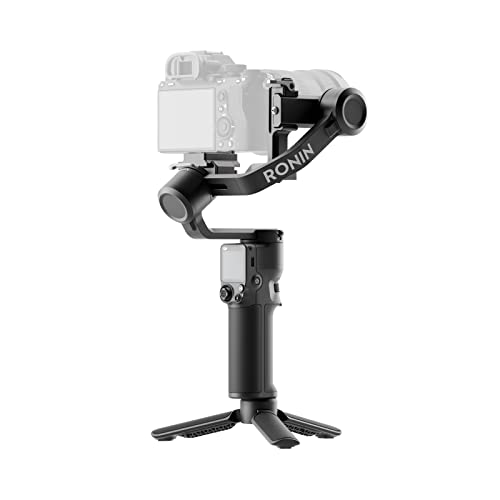
- Lightweight 795 g travel-friendly design
- 2 kg payload for many camera and lens combinations
- Native vertical shooting with Bluetooth shutter control
Best For: Travel shooters seeking a compact gimbal
Best Value Weebill Configuration

- 6.6-pound payload for compatible camera setups
- Quick native vertical-shooting conversion
- Up to 16 hours of battery life
Best For: Vertical-video shooters needing payload and runtime
Most Versatile Pro Kit

- 3.5 kg payload for larger camera setups
- One-second native vertical-shooting conversion
- AI tracking and detachable remote touchscreen handle
Best For: Solo creators using heavier mirrorless or DSLR rigs
Best Lightweight Multi-Device Pick

- Supports cameras, phones, and action cameras
- 852 g design with 1.2 kg payload
- Built-in AI tracking and included fill light
Best For: Creators using multiple lightweight device types
Best Refined Vertical Workflow

- Second-generation native vertical shooting
- 3 kg payload with extended tilt axis
- Teflon-coated arms and multiple operating modes
Best For: Mirrorless shooters alternating between horizontal and vertical video
Best Intelligent Tracking Pick

- Built-in AI subject tracking
- Fast vertical-shooting setup
- 2.5 kg payload and touchscreen
Best For: Solo DSLR and mirrorless creators who want tracking features
Best Lightweight Option
- 795 g travel-friendly design
- Native vertical shooting
- 2 kg tested payload
Best For: Travel and social-media creators using mirrorless cameras
Most Versatile Creator Kit

- Supports cameras, phones, and action cameras
- 18 m AI tracking distance
- Detachable remote-control handle
Best For: Solo creators using multiple camera formats
Best Lightweight 3kg Pick – ZHIYUN CINEPEER Weebill 3E
The ZHIYUN CINEPEER Weebill 3E is a practical camera gimbal with vertical shooting for DSLR and mirrorless users who want a lightweight setup without giving up a 3 kg payload. Its native vertical conversion requires mounting the quick-release plate to the vertical arm, with no extra accessory or gimbal disassembly required.
Best For: Social-media creators and hybrid shooters using compatible DSLR or mirrorless cameras and lenses.
Pros:
- Supports up to 3 kg while weighing about 1.05 kg.
- Native vertical shooting simplifies portrait-oriented content.
- Up to 16 hours of battery life and Bluetooth shutter control.
- Comfort-oriented design supports extended handheld shooting.
Cons:
- The package includes only a Panasonic control cable; other brands may require an additional cable.
- The wrist rest and sling grip for Sling Mode 2.5 are sold separately.
- It is not water resistant.
Choose this model when payload capacity, long battery life, and accessory-free vertical shooting matter more than an ultra-light travel footprint. Check camera compatibility and cable requirements before buying.
Best Tracking Features – FeiyuTech SCORP C2
The FeiyuTech SCORP C2 combines a camera gimbal with vertical shooting and built-in AI tracking for solo filming. Its dual-layer quick-release system supports fast horizontal-to-vertical changes, while gesture control and subject tracking can help creators record without an operator.
Best For: Solo creators, vloggers, and filmmakers who want AI tracking alongside strong camera support.
Pros:
- Built-in AI 4.0 tracking works without an app and tracks subjects up to 59 feet away.
- Supports a listed payload of up to 7.72 pounds.
- Quick-release plates enable fast setup and horizontal or vertical switching.
- Includes creative modes such as time-lapse, panorama, inception, and A/B motion paths.
Cons:
- The detailed specifications also list a 5.5-pound maximum weight recommendation, so users should verify the applicable limit.
- Camera control features depend on camera compatibility and the available Bluetooth or USB-C connection.
- Its feature-rich design may be more than needed for simple stabilization.
The SCORP C2 stands out for hands-free operation and a broad camera compatibility list. It is worth considering if tracking and quick portrait-orientation changes are central to your workflow, but confirm the payload guidance for your camera and lens combination.
Best Compact Travel Option – DJI RS 3 Mini
The DJI RS 3 Mini is a compact camera gimbal with vertical shooting designed for travel and extended handheld use. At 795 g, it is the lightest option in this roundup, while its 2 kg capacity accommodates a range of compatible camera and lens combinations.
Best For: Traveling photographers and content creators who prioritize a small, lightweight gimbal.
Pros:
- Weighs 795 g and is designed for portability.
- Supports up to 2 kg of camera and lens equipment.
- Native vertical shooting uses the quick-release plate and vertical arm.
- Includes Bluetooth shutter control and a 1.4-inch full-color touchscreen.
Cons:
- It has less payload capacity than the heavier-duty models listed here.
- DJI Ronin app installation is required for activation and full functionality.
- It is not water resistant.
The RS 3 Mini is a sensible choice when portability is more important than maximum payload. Its native portrait setup and touchscreen add convenience, but check the camera-and-lens combination against the 2 kg limit and plan for the required app setup.
Best Value Weebill Configuration – ZHIYUN WEEBILL 3E
This ZHIYUN WEEBILL 3E configuration is a capable camera gimbal with vertical shooting for users who want a 3 kg payload, long battery life, and quick portrait-orientation changes. The native vertical system avoids adding accessories or dismantling gimbal components.
Best For: Camera operators who want a strong payload and long runtime for vertical video production.
Pros:
- Supports cameras and lenses up to 6.6 pounds.
- Native vertical shooting enables quick mounting and conversion.
- Built-in battery provides up to 16 hours of average life.
- Bluetooth shutter control reduces cable dependence after initial pairing.
Cons:
- The optional wrist rest and telescopic sling handle are not included.
- Camera control functionality depends on compatible devices and connections.
- It is not water resistant.
Consider this WEEBILL 3E when a 3 kg payload and extended runtime are priorities for handheld or vertical production. The included setup is relatively straightforward, but budget separately if you want the expanded Sling Mode 2.5 accessories.
Most Versatile Pro Kit – FeiyuTech SCORP 3 KIT
If you need a camera gimbal with vertical shooting for larger mirrorless or DSLR setups, the FeiyuTech SCORP 3 KIT combines a 3.5 kg payload with a fast native vertical-shooting conversion. Its built-in AI tracking and detachable remote handle also make it practical for solo creators.
Best For: Solo filmmakers and content creators using heavier camera-and-lens combinations.
Pros:
- Supports up to 3.5 kg and offers extended axis arms for broader camera and lens compatibility.
- Switches to native vertical shooting in about one second without extra tools.
- Includes hardware-based AI tracking, a detachable touchscreen handle, fill light, extension pole, and carrying case.
Cons:
- At 1 kg, it is heavier than the SCORP Mini 2.
- It is not water resistant.
The SCORP 3 KIT is the strongest choice here for demanding camera payloads and an accessory-rich workflow. Choose it when fast vertical conversion and solo-operation features matter more than minimizing kit weight.
Best Lightweight Multi-Device Pick – FeiyuTech SCORP Mini 2 Kit
The FeiyuTech SCORP Mini 2 Kit is a compact option for creators who want a camera gimbal with vertical shooting capability across several device types. It supports mirrorless cameras, smartphones, action cameras, and video cameras, while weighing 852 g and including an extension rod and wireless fill light.
Best For: Mobile creators who switch between cameras, phones, and action cameras.
Pros:
- Supports devices up to 1.2 kg and works with cameras, smartphones, and action cameras.
- Built-in AI tracking operates without connecting to an app.
- Includes a 1.3-inch touchscreen, five-way joystick, wireless fill light, extension rod, and carrying case.
Cons:
- The 1.2 kg payload is less suitable for heavier camera-and-lens combinations.
- The supplied notes do not specify a dedicated native vertical-shooting mechanism.
With its broad device compatibility and relatively light 852 g body, the SCORP Mini 2 is well suited to flexible everyday shooting. It is a better fit for smaller setups than for professional cinema-style camera rigs.
Best Refined Vertical Workflow – DJI RS 4
The DJI RS 4 is a strong camera gimbal with vertical shooting for mirrorless camera creators who want a quick, repeatable orientation change. Its updated horizontal plate switches to vertical positioning without additional accessories, while Teflon-coated axis arms help with precise balancing.
Best For: Mirrorless-camera shooters creating both standard and vertical video content.
Pros:
- Second-generation native vertical shooting uses a redesigned horizontal plate and needs no extra accessory.
- Supports up to 3 kg and provides an extended tilt axis for more balancing space.
- Offers selectable PF, PTF, and FPV modes plus an RSA port for expanded control accessories.
Cons:
- The gimbal weighs 1.55 kg, making it heavier than the SCORP Mini 2.
- The optional BG70 battery grip is sold separately.
- It is not water resistant.
The RS 4 is a polished choice when efficient vertical switching and balancing flexibility are priorities. Its 3 kg capacity suits many mainstream mirrorless combinations, while the accessory ecosystem leaves room for more advanced control setups.
Best Intelligent Tracking Pick – FeiyuTech SCORP 2
If you want a camera gimbal with vertical shooting capability and built-in subject tracking, the FeiyuTech SCORP 2 combines a 2.5 kg payload with a quick vertical-filming setup. Its integrated AI sensor, touchscreen, and camera-control options make it suited to solo creators who want fewer accessories.
Best For: DSLR and mirrorless users who prioritize built-in tracking and flexible camera control.
Pros:
- Integrated AI tracking can be activated with gestures.
- Quick-release system supports vertical shooting without extra accessories.
- Supports wired or Bluetooth camera control, plus a 1.3-inch touchscreen.
- 2.5 kg payload accommodates a broad range of camera setups.
Cons:
- At 1,070 g, it is heavier than the DJI RS 3 Mini.
- It is not water resistant.
- AI tracking and advanced controls require setup and may add complexity.
The SCORP 2 is a strong choice when vertical content, tracking, and higher payload capacity matter more than minimizing weight. Its included accessories also make it a versatile starting point for a camera-based rig.
Best Lightweight Option – DJI RS 3 Mini
The DJI RS 3 Mini is a practical camera gimbal with vertical shooting for travel, social media, and extended handheld sessions. Weighing 795 g and supporting up to 2 kg, it balances portability with compatibility across many mirrorless camera and lens combinations.
Best For: Travel shooters and creators who want a compact gimbal with native vertical shooting.
Pros:
- Lightweight 795 g design is easier to carry and hold for longer sessions.
- Native vertical shooting uses the included quick-release plate and vertical arm.
- 2 kg tested payload supports a range of mirrorless setups.
- Bluetooth shutter control handles photo capture and video recording.
Cons:
- The 2 kg payload is lower than the SCORP 2’s 2.5 kg capacity.
- The renewed model lists a 90-day limited warranty.
- It is not water resistant.
Choose the RS 3 Mini if portability is your main priority. It offers the most travel-friendly weight in this group while retaining native vertical shooting and Bluetooth shutter control.
Most Versatile Creator Kit – FeiyuTech SCORP Mini 3 Pro
The FeiyuTech SCORP Mini 3 Pro is a flexible camera gimbal with vertical shooting support for creators who switch between mirrorless, compact, action cameras, and smartphones. Its detachable handle, remote-control capability, and AI tracking make it especially useful for solo filming and varied shooting angles.
Best For: Content creators who use multiple camera types and want remote operation.
Pros:
- Four-in-one compatibility supports cameras, smartphones, and action cameras.
- AI Tracking 4.0 offers up to 18 m tracking distance and 360-degree follow capability.
- Detachable handle can serve as a remote control.
- Modular quick-release components enable quick horizontal-to-vertical changes.
Cons:
- The 2 kg payload may limit heavier camera-and-lens combinations.
- Its broader compatibility can require more setup between devices.
- It is not water resistant.
The SCORP Mini 3 Pro stands out for creators who need one stabilizer across several device types. Its remote handle and quick orientation changes add useful flexibility for solo productions, although heavier rigs may require a higher-capacity gimbal.
How We Picked the Best Camera Gimbal with Vertical Shooting
We focused on gimbals that support portrait-oriented filming either through native vertical modes, adjustable mounting, or a design suited to fast landscape-to-vertical transitions. We also considered payload capacity, camera compatibility, stabilization controls, battery practicality, portability, and creator-focused features such as AI tracking, integrated lighting, touchscreens, and remote operation.
Because listed payloads and compatibility can vary by camera body, lens, and accessories, always confirm your exact setup before buying. A gimbal rated for a camera body alone may not comfortably balance a heavier zoom lens, microphone, monitor, or cage.
Quick Comparison
| Best for | Look for | Recommended type |
|---|---|---|
| Travel and compact mirrorless cameras | Low weight, compact folded design, simple balancing | DJI RS 3 Mini or a compact SCORP Mini model |
| Heavier DSLR or mirrorless rigs | Higher payload, stronger motors, wider adjustment range | DJI RS 4, SCORP 3, or WEEBILL 3E |
| Solo creators | AI tracking, remote control, and built-in fill light | SCORP C2 or SCORP Mini 2 Kit |
| Social-first vertical video | Fast portrait switching and accessible controls | A model with dedicated vertical shooting support |
Key Buying Factors for a Camera Gimbal with Vertical Shooting
Payload and Balance
Choose a gimbal with headroom above the combined weight of your camera, lens, battery, cage, microphone, and other accessories. Extra capacity generally provides more reliable motor performance and makes balancing easier.
Portrait-Mode Workflow
Check how vertical shooting is achieved. Some gimbals offer a dedicated portrait mode, while others require repositioning the camera plate or using an accessory. Fast switching matters if you regularly alternate between long-form video and short vertical clips.
Stabilization and Controls
Three-axis stabilization should be paired with useful follow modes, responsive joystick controls, and straightforward tuning. Smartphone apps can add calibration, firmware updates, and camera-control options, but compatibility differs by camera brand and model.
Tracking, Lighting, and Battery Life
AI tracking is valuable for solo shooting, but it should not replace careful composition. Integrated fill lights and detachable trackers can simplify a mobile setup. Also check operating time, charging speed, USB power options, and whether accessories reduce runtime.
Who Should Buy Which Camera Gimbal with Vertical Shooting?
Choose the DJI RS 3 Mini models or a SCORP Mini option if you use a lightweight mirrorless or compact camera and prioritize portability. They are easier to carry and typically more comfortable for handheld shooting over extended sessions.
For larger camera-and-lens combinations, step up to the DJI RS 4, FeiyuTech SCORP 3, SCORP 2, or ZHIYUN WEEBILL 3E. These models are better suited to users who need more payload capacity and stability with heavier accessories.
Solo creators, livestreamers, and social-video producers should prioritize the SCORP C2 or SCORP Mini 2 Kit when AI tracking, a fill light, or remote operation can reduce the need for a camera operator. Before purchasing, verify camera-control compatibility and practice balancing the complete rig; correct balance is essential for smooth footage, longer battery life, and reduced motor strain.