Recovery walks should feel restorative—not like another workout. The right shoes can reduce underfoot fatigue, add impact protection, and make easy movement more comfortable after hard runs or long training sessions.
We selected 10 recovery-focused walking shoes and versatile running models, ranging from highly cushioned sneakers to breathable clogs, sandals, and weather-friendly slip-ons.
Best 10 Walking Shoes for Runners Recovery Picks for 2026
Maximum Road Cushioning

- Maximum foam cushioning
- Engineered mesh lining
- Road and treadmill design
Best For: Runners wanting a cushioned lace-up shoe for roads and treadmills
Post-Workout Cloud Comfort

- High-recovery foam cushioning
- Approximately 8 ounces per shoe
- Breathable stretch mesh upper
Best For: Indoor post-workout walking and extended standing
Stable Rocker Transitions

- High-stack DNA Loft v3 cushioning
- Wide, stable platform
- GlideRoll Rocker transitions
Best For: Road running, treadmill use, and cushioned recovery walks
Best Waterproof Slip-On
CUSHIONAIRE Fuel EVA Recovery Shoes

- Waterproof, washable EVA construction
- Cushioned footbed for post-workout comfort
- Ventilated slip-on clog design
Best For: Post-run errands, yard work, showers, and casual recovery wear
Best Supportive Running Shoe
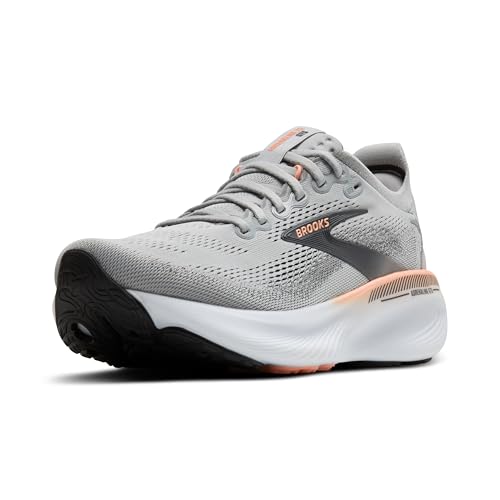
- Maximum DNA LOFT v3 cushioning
- GuideRails support for controlled movement
- Breathable mesh road-running upper
Best For: Active recovery walks, road running, and everyday mileage
Best Recovery Slide
KuaiLu Women's Recovery Sandals

- 1.75-inch cushioned EVA platform
- Arch-supportive ergonomic footbed
- Waterproof strap with traction tread
Best For: Women wanting easy slip-on recovery comfort
Minimalist Recovery Comfort – OOFOS OOmy Zen
The OOFOS OOmy Zen is a lightweight, packable option for runners who want soft cushioning after training. Its impact-absorbing OOfoam platform and flexible, sock-like upper make it a practical choice among walking shoes for runners recovery, especially for casual walking and travel.
Best For: Runners seeking maximum-cushion recovery footwear for walking, daily wear, and travel.
Pros:
- OOfoam technology is designed to absorb 37% more impact than traditional footwear foams.
- Seamless circular-knit upper provides a flexible, sock-like fit.
- Lightweight, machine-washable, odor-minimizing closed-cell foam construction.
- Pull tabs and engineered collar make the slip-on design easy to wear.
Cons:
- Not water resistant.
- Minimalist slip-on design may offer less adjustability than lace-up shoes.
- Available details identify it as a women’s model, so sizing should be checked carefully.
Choose the OOmy Zen if portability, easy wear, and plush recovery cushioning matter more than a traditional running-shoe setup. Consult the listed size chart before ordering.
Maximum Road Cushioning – HOKA Bondi 9
The HOKA Bondi 9 is a full running shoe for road and treadmill use, with maximum foam cushioning and a substantial 43-millimeter platform. For runners comparing walking shoes for runners recovery, it offers a familiar lace-up fit and protective cushioning for easy walks or low-intensity movement after training.
Best For: Road and treadmill runners who prefer a highly cushioned, adjustable lace-up shoe.
Pros:
- Maximum cushioning uses an EVA sole and foam insole.
- Engineered mesh lining supports breathability.
- Lace-up closure allows adjustable fit.
- Designed for road and treadmill surfaces.
Cons:
- At 13.6 ounces, it is heavier than the listed lightweight recovery-focused options.
- Not water resistant.
- Its underpronation-oriented specification may not suit every runner’s gait.
The Bondi 9 makes sense when you want one maximum-cushion shoe that can handle running as well as recovery walks. Its heavier build is the tradeoff for a traditional, protective road-running platform.
Post-Workout Cloud Comfort – YOOVO Recovery Sneakers
YOOVO Recovery Sneakers are built specifically for the period after running, gym sessions, or long hours on your feet. Their high-recovery foam, rounded heel, and breathable stretch mesh make them a targeted pick among walking shoes for runners recovery, though the supplied details recommend them primarily for indoor use.
Best For: Post-workout walks, indoor recovery, travel, and extended standing.
Pros:
- High-recovery foam and an extended rounded heel are designed to absorb impact.
- Approximately 8 ounces per shoe for a lightweight feel.
- Stretch mesh upper promotes airflow and natural foot splay.
- Lace-up design with a knit heel collar provides adjustable support.
Cons:
- Listed surface recommendation is indoor.
- Runs slightly large according to the supplied fit information.
- Unisex sizing uses a men’s scale, requiring women to size down 1 to 1.5 sizes.
This is a recovery-first option for runners who want a very light shoe after hard efforts. Pay close attention to the men’s-scale sizing guidance, particularly if you have wide feet, a high instep, or wear thicker socks.
Stable Rocker Transitions – Brooks Ghost Max 3
Brooks Women’s Ghost Max 3 Neutral Running & Walking Shoe - Black/Black/Ebony - 9.5 Medium
Check Price On AmazonThe Brooks Ghost Max 3 combines a wide base, high-stack DNA Loft v3 cushioning, and a GlideRoll Rocker to support smooth heel-to-toe movement. It is a strong all-around choice for runners who want walking shoes for runners recovery that can also cover road running and treadmill sessions.
Best For: Runners and walkers seeking a stable, highly cushioned road shoe with assisted transitions.
Pros:
- High-stack nitrogen-infused DNA Loft v3 cushioning helps reduce underfoot pressure.
- Wide base and raised sidewalls provide a stable feel.
- GlideRoll Rocker supports smooth heel-to-toe transitions.
- Breathable engineered mesh and textile upper suits all-day wear.
Cons:
- Not water resistant.
- Designed for road and treadmill surfaces rather than trail use.
- Lace-up construction is less convenient than a slip-on recovery shoe.
The Ghost Max 3 is the most versatile pick here for someone who wants recovery comfort without giving up a conventional running shoe. Its wide, stable platform and rocker geometry are particularly useful for comfortable walking between training sessions.
Best Waterproof Slip-On – CUSHIONAIRE Fuel EVA Recovery Shoes
If you want walking shoes for runners recovery that are easy to wear after a workout, the CUSHIONAIRE Fuel offers a practical slip-on design with a cushioned EVA footbed. Its waterproof construction, ventilation, and easy-clean material make it especially convenient for casual outdoor use and post-run errands.
Best For: Runners who want lightweight, waterproof recovery clogs for errands, yard work, showers, and relaxed daily wear.
Pros:
- Slip-on design makes them quick to put on and remove.
- Cushioned EVA footbed helps absorb impact during extended wear.
- Waterproof EVA construction is easy to rinse clean.
- Ventilation ports promote airflow and faster drying.
Cons:
- The clog style may provide less secure retention than a lace-up shoe.
- Moderate cushioning may not feel as plush as a maximum-cushion running shoe.
- The casual design is better suited to recovery and daily wear than running.
The Fuel is a convenient recovery option when easy cleaning and fast on-off access matter most. It is a sensible complement to running shoes rather than a replacement for them.
Best Supportive Running Shoe – Brooks Adrenaline GTS 25
For walking shoes for runners recovery that can also handle regular training, the Brooks Adrenaline GTS 25 combines maximum DNA LOFT v3 cushioning with GuideRails support. The breathable mesh upper and smooth transitions make it a strong choice for comfortable road walking and easy miles.
Best For: Runners and walkers seeking a supportive, maximum-cushion road shoe for active recovery and everyday mileage.
Pros:
- Maximum DNA LOFT v3 cushioning provides a soft, lightweight feel.
- GuideRails help keep excess movement in check.
- Breathable mesh and a flat-knit collar support a comfortable fit.
- Designed for smooth transitions on road surfaces.
Cons:
- Lace-up construction is less convenient than a slip-on recovery clog.
- It is not water resistant.
- The structured running-shoe design may feel more substantial than a casual recovery shoe.
The Adrenaline GTS 25 is the most versatile option here for recovery walks that may turn into regular training. Its stability features and maximum cushioning make it better suited to active use than purely relaxed lounging.
Best Lightweight Recovery Clog – Crocs Inmotion Clogs
The Crocs Inmotion Clogs are a convenient pick for runners comparing walking shoes for runners recovery, especially when lightweight comfort and flexible movement are priorities. A responsive LiteRide foam footbed, pivoting backstrap, and waterproof construction support casual wear after training.
Best For: Runners wanting lightweight, flexible slip-on clogs for post-workout comfort, casual walking, and on-the-go wear.
Pros:
- LiteRide foam footbed delivers lightweight, responsive cushioning.
- Flexible upper is designed for unrestricted comfort.
- Pivotable backstrap provides an adjustable, more secure fit.
- Waterproof construction works well for casual wet-weather use.
Cons:
- They run large, so sizing down may be necessary between sizes.
- Moderate-to-high cushioning may not match the support of a stability running shoe.
- The clog format is intended for casual use rather than dedicated running.
The Inmotion Clogs stand out for easygoing recovery and portability. Their backstrap adds versatility over a basic slip-on, while the roomy clog design remains best for casual walking rather than structured training.
Best Overall Recovery Shoe – OOFOS OOmy Stride
For runners comparing walking shoes for runners recovery, the OOFOS OOmy Stride is a cushioned lace-up option designed for post-run comfort. Its OOfoam platform focuses on impact absorption, while the pillowed heel and flexible mesh upper support a more comfortable stride.
Best For: Runners who want a maximum-cushion recovery shoe for walking and casual wear.
Pros:
- OOfoam technology is designed to absorb 37% more impact than traditional footwear foams.
- Advanced footbed geometry supports impact absorption, traction, mobility, and Achilles protection.
- Machine-washable closed-cell foam is designed to minimize odor.
- Engineered knit collar, lacing system, and four-way stretch mesh provide a refined, flexible fit.
Cons:
- It is not water resistant.
- Finding the right fit requires consulting the size chart.
- The maximum cushioning and athletic styling may not suit shoppers seeking a minimal shoe.
The OOmy Stride is a strong all-around pick when recovery comfort, foot mobility, and impact absorption matter more than weather protection. Its lace-up design also makes it more secure for walking than a slip-on recovery style.
Best Recovery Slide – KuaiLu Women's Recovery Sandals
For easy post-workout wear, the KuaiLu recovery slide offers a simple alternative among walking shoes for runners recovery. Its thick EVA cushioning, supportive footbed, and slip-on design are suited to relaxed walking, errands, and recovery after exercise.
Best For: Women who prefer an open-toe recovery slide for casual walking, poolside use, and everyday standing.
Pros:
- Thick 1.75-inch cloud-foam cushioning helps reduce pressure during walking.
- Bionic-style arch support is designed to ease foot fatigue and support gait.
- Front rolling balance design and a wide sole accommodate foot movement.
- Waterproof EVA strap and textured traction sole suit pool, shower, and outdoor use.
Cons:
- Open-toe construction offers less protection than a closed recovery shoe.
- The slip-on design may provide less foot security for faster walking.
- The supplied fit sentiment is neutral, so shoppers should pay close attention to sizing.
The KuaiLu slide makes the most sense for runners who want quick, breathable recovery footwear rather than a full shoe. Its waterproof construction and non-slip tread add versatility for wet or casual settings.
Best Platform Recovery Shoe – OOFOS OOmega Chukka
The OOFOS OOmega Chukka combines a platform silhouette with recovery-focused cushioning, making it a standout option for walking shoes for runners recovery. Its mesh upper, pull-on construction, and supportive patented footbed are aimed at easier walking after activity.
Best For: Women seeking a maximum-cushion recovery shoe with a raised platform design.
Pros:
- MEGA midsole adds 42% more impact-absorbing OOfoam technology to the patented footbed.
- OOfoam technology is designed to absorb 37% more impact than traditional footwear foams.
- Patented footbed cradles and supports the arches.
- Lightweight mesh construction and pull-on styling simplify everyday wear.
Cons:
- The platform design may feel less conventional than a flat recovery shoe.
- It runs slightly large or small, so the size chart is important.
- There is no strap or lace adjustment for fine-tuning the fit.
The OOmega Chukka is a practical choice when cushioning and elevated styling are priorities. Its arch-supportive footbed and pull-on format favor comfortable walking, though the unadjustable closure makes accurate sizing especially important.
How We Picked the Best Walking Shoes for Runners Recovery
We focused on the features that matter most during post-run walking: cushioning, shock absorption, stable foot support, comfortable uppers, easy entry, and suitability for everyday use. The lineup includes dedicated recovery shoes from OOFOS, cushioned running shoes from Hoka and Brooks, and casual options such as clogs, slides, and slip-on sneakers.
Because recovery needs vary, we considered more than maximum softness. A shoe should match your walking surface, foot shape, climate, and preferred level of structure. Product descriptions and specifications were compared for cushioning systems, closure designs, ventilation, water resistance, arch support, and intended use.
Quick Comparison
| Best For | Recommended Style | What to Look For |
|---|---|---|
| Maximum cushioning | Hoka Bondi 9 or Brooks Ghost Max 3 | Thick midsoles and a smooth rolling transition |
| Dedicated recovery | OOFOS OOmy Zen, OOmy Stride, or OOmega Chukka | Impact absorption, relaxed fit, and recovery-focused cushioning |
| Easy slip-on wear | CUSHIONAIRE Fuel or Crocs Inmotion | Flexible construction, roomy fit, and convenient entry |
| Arch-supporting slides | KuaiLu Recovery Sandals | Contoured footbeds and secure, adjustable straps |
| Structured daily walking | Brooks Adrenaline GTS 25 | Guidance and a more supportive running-shoe platform |
Key Buying Factors for Walking Shoes for Runners’ Recovery
Cushioning and Impact Absorption
Look for a midsole that softens heel and forefoot contact without feeling unstable. Highly cushioned shoes can be comfortable after demanding runs, while moderately cushioned running shoes may feel more controlled on longer walks.
Support and Stability
Softness alone is not the same as support. If your feet roll inward, feel fatigued, or need guidance, consider a structured model such as the Adrenaline GTS 25. Neutral shoes may be preferable if you have a comfortable, natural stride.
Fit and Upper Comfort
Allow enough room for your toes to spread, especially if feet swell after exercise. Slip-ons and clogs are convenient, but a lace-up shoe generally offers more adjustability. Check the manufacturer’s sizing guidance and read fit notes before ordering.
Walking Surface and Weather
For pavement and long neighborhood walks, prioritize durable outsoles and stable transitions. Breathable clogs and sandals work well in warm weather, while water-resistant or covered styles are more practical in damp conditions.
Who Should Buy Which Walking Shoes for Runners Recovery?
Choose a dedicated OOFOS recovery shoe if your priority is post-run cushioning and easy, low-effort walking. Pick the Hoka Bondi 9 or Brooks Ghost Max 3 if you want a highly cushioned shoe that can also handle regular daily mileage. The Brooks Adrenaline GTS 25 is the stronger choice for walkers who value structured guidance.
For quick errands, indoor wear, or warm-weather recovery, consider the Crocs, CUSHIONAIRE, or KuaiLu options. Select the OOmega Chukka when you want recovery-focused cushioning in a more covered, boot-inspired design. Whichever style you choose, prioritize a secure fit, comfortable pressure distribution, and enough support for the surfaces you walk on most.