Rocky trails demand more than standard running shoes. A protective rock plate can help shield your feet from sharp stones and roots while you maintain a comfortable, efficient stride.
We’ve gathered 10 trail-ready options with different fits, traction systems, cushioning levels, and weather protection features so you can match your next pair to your terrain and running style.
Best 10 Trail Running Shoes with Rock Plate Picks for 2026
Balanced Protection Pick

- StoneGuard protects against rocks and debris
- Grippy MaxTrac outsole for varied terrain
- Moderate cushioning with a flexible, stable feel
Best For: Everyday trail running on mixed terrain
Wet-Trail Protection Pick
Topo Athletic Women's Terraventure 5 GTX

- GORE-TEX waterproof protection
- Forefoot rock plate for sharp rocks and roots
- Vibram Megagrip traction on slippery terrain
Best For: Wet-weather trail running and hiking
Flexible Waterproof Pick
Xero Shoes Men's Mesa Summit WP

- ESS rock guard protects high-impact zones
- XeroTex water-resistant design and moisture-wicking liner
- Flexible construction with debris-sealing collar
Best For: Flexible trail running in wet or gritty conditions
Adaptive Mountain-Trail Pick

- Articulated Ballistic Rock Shield for protection
- DNA LOFT v3 cushioning for a soft, responsive ride
- TrailTack Green outsole for wet and dry traction
Best For: Rugged mountain trails, hiking, and backpacking
Wet-Weather Shield

- GORE-TEX waterproof coverage
- Flexible rock protection plate
- Responsive FF BLAST MAX cushioning
Best For: Wet trail runs needing waterproof coverage and underfoot protection
All-Terrain Comfort Pick
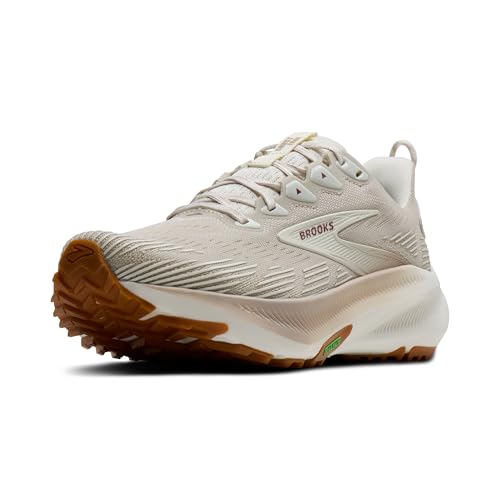
- 3mm lugs for wet and dry grip
- Plush DNA LOFT v3 cushioning
- Protective toe and mudguard overlays
Best For: Comfort-focused trail running and hiking on varied terrain
Technical-Trail Protector

- Dedicated forefoot rock plate
- Vibram Megagrip traction
- GORE-TEX waterproof protection
Best For: Wet, rocky, technical trails with sharp rocks and roots
Versatile Trail Comfort

- 3mm-lug TrailTack Green outsole
- DNA LOFT v3 cushioning
- Breathable upper with toe protection
Best For: Comfort-focused running on dry, rocky trails
Mountain Grip Specialist

- Vibram Megagrip with 4mm lugs
- Maximum cushioning and energy return
- Dual-zone lacing for a stable fit
Best For: Long runs on muddy, loose, and rugged mountain trails
Weatherproof Ankle Support

- Waterproof breathable GORE-TEX lining
- Quarter-cut cuff for ankle stability
- Rocker-shaped DYNEVA midsole
Best For: Wet-weather trail running and speed hiking
Balanced Protection Pick – ALTRA Men's Lone Peak 9
The ALTRA Men’s Lone Peak 9 is a practical choice for runners seeking trail running shoes with rock plate protection and a flexible, stable underfoot feel. Its StoneGuard helps shield against rocks and debris, while the MaxTrac outsole is designed for grip and durability across varied terrain.
Best For: Trail runners who want moderate cushioning, neutral support, and flexible protection on mixed terrain.
Pros:
- StoneGuard provides underfoot protection from rocks and trail debris.
- MaxTrac outsole offers grip, traction, and durability across varied terrain.
- Moderate foam cushioning and a flexible yet stable feel.
- Received the APMA Seal of Acceptance.
Cons:
- Not water resistant.
- Its protection is described as flexible rather than heavily cushioned or rigid.
The Lone Peak 9 balances trail feel with useful rock protection, making it a versatile option for everyday trail running. Consider it if you prioritize grip and flexibility over waterproofing.
Wet-Trail Protection Pick – Topo Athletic Women's Terraventure 5 GTX
For runners who need trail running shoes with rock plate protection in wet conditions, the Topo Athletic Women’s Terraventure 5 GTX combines a forefoot rock plate with GORE-TEX Invisible Fit waterproofing. Its Vibram Megagrip outsole is built for confident traction on slippery, technical trails.
Best For: Wet-weather trail running and hiking on rocky, uneven, or slippery terrain.
Pros:
- GORE-TEX Invisible Fit provides lightweight waterproof protection.
- Forefoot rock plate helps guard against sharp rocks and roots.
- Vibram Megagrip outsole supports traction on wet and technical surfaces.
- FKT insole and closed-cell construction support wet-trail comfort and drainage.
Cons:
- The low-cushion platform may feel less plush than more cushioned trail shoes.
- At 10.7 ounces, it is not the lightest option in this lineup.
- Waterproof construction may be more than needed for consistently dry trails.
The Terraventure 5 GTX is the most weather-focused option here, pairing waterproof coverage with a dedicated rock plate and high-traction outsole. It is a strong fit when wet rocks and changing conditions are part of the route.
Flexible Waterproof Pick – Xero Shoes Men's Mesa Summit WP
The Xero Shoes Men’s Mesa Summit WP offers a flexible approach to trail running shoes with rock plate protection. Its ESS rock guard protects high-impact zones, while XeroTex technology, a moisture-wicking liner, and a debris collar help manage wet and gritty trail conditions.
Best For: Runners who prefer a lightweight, flexible shoe with water-resistant coverage and ground feel.
Pros:
- ESS rock guard helps protect high-impact areas underfoot.
- XeroTex design helps keep water out, and the liner wicks moisture.
- Flexible construction lets the foot bend and flex naturally.
- Integrated knit debris collar helps seal out dirt, snow, and moisture.
Cons:
- The flexible design may provide less structured support than more traditional trail shoes.
- The notes describe the outsole as lightweight and rugged but do not specify a traction compound or lug depth.
- Listed as water resistant rather than a fully waterproof technical trail platform.
The Mesa Summit WP stands out for its flexible, close-to-the-ground design and practical debris protection. Choose it if natural foot movement matters as much as underfoot impact protection.
Adaptive Mountain-Trail Pick – Brooks Women's Cascadia 19
Brooks Women’s Cascadia 19 Mountain Trail Running Shoe - Clearwater/Primer Grey/Apricot - 8 Medium
Check Price On AmazonThe Brooks Women’s Cascadia 19 is built for runners looking for trail running shoes with rock plate protection and an adaptive ride. Its articulated Ballistic Rock Shield works with the DNA LOFT v3 midsole, while the TrailTack Green outsole targets traction across wet and dry mountain terrain.
Best For: Mountain trail runners and hikers who want cushioning, stability, and adaptable protection on rugged routes.
Pros:
- Articulated Ballistic Rock Shield adds protective underfoot structure.
- DNA LOFT v3 cushioning is described as soft and responsive in the heel and forefoot.
- TrailTack Green outsole supports traction on uneven wet and dry surfaces.
- Reinforced toe cap, mudguard, and protective overlays help defend against trail debris.
Cons:
- Not water resistant.
- Its moderate-to-high cushioning may offer less direct ground feel than low-cushion designs.
- Designed for a broad range of trail activities, so it may feel more structured than minimalist options.
The Cascadia 19 is a well-rounded mountain-trail option, combining a rock shield with cushioning, stability, and an adaptable outsole. It makes sense for runners who want protection without giving up a softer, more responsive ride.
Wet-Weather Shield – ASICS Trabuco 14 GTX
The ASICS Trabuco 14 GTX is a practical choice if you want trail running shoes with rock plate protection for damp, rugged routes. Its GORE-TEX Invisible Fit coverage helps keep feet protected from water, while the flexible plate helps shield against rocks and uneven terrain.
Best For: Runners who want waterproof coverage, moderate cushioning, and added underfoot protection for wet trails.
Pros:
- GORE-TEX Invisible Fit provides waterproof coverage and supports quicker dry-out times.
- Flexible rock protection plate helps guard against rocks and rugged terrain.
- FF BLAST MAX foam combines soft cushioning with responsive energy return.
- Reflective details can improve visibility during early-morning or nighttime runs.
Cons:
- The waterproof construction may be warmer than a more open trail shoe.
- Its moderate cushioning may feel less plush than maximum-cushioning alternatives.
Choose this model when wet-weather protection matters as much as rock protection. The neutral fit and trail-focused rubber sole make it a versatile option for outdoor running in cooler, wetter conditions.
All-Terrain Comfort Pick – Brooks Ghost Trail
The Brooks Ghost Trail suits runners looking for trail running shoes with rock plate-style protection features for dry, rocky, and technical terrain. While the supplied details emphasize toe and mudguard protection rather than a dedicated rock plate, its 3mm lugs, durable overlays, and plush DNA LOFT v3 cushioning support confident off-road movement.
Best For: Trail runners and hikers who prioritize maximum cushioning, adaptable fit, and grip across varied terrain.
Pros:
- TrailTack Green rubber with 3mm lugs is designed for wet and dry-surface traction.
- Nitrogen-infused DNA LOFT v3 cushioning provides plush landings with responsive feel.
- Air mesh helps with breathability, while overlays protect the toe and mudguard areas from debris.
- Heel-locking design and adjustable lacing help create a secure fit.
Cons:
- The shoe is listed as not water resistant.
- The supplied notes do not identify a dedicated rock plate.
- Its maximum cushioning may provide less direct ground feel than low-cushioning designs.
This is a strong comfort-focused option for mixed trail use, especially when cushioning and adaptable traction are higher priorities than waterproofing or an explicitly named rock plate.
Technical-Trail Protector – Topo Terraventure 5 GTX
The Topo Athletic Terraventure 5 GTX is purpose-built for runners seeking trail running shoes with rock plate protection on wet, technical routes. It combines a forefoot rock plate with Vibram Megagrip traction, GORE-TEX waterproofing, and a low platform designed to preserve ground connection.
Best For: Runners and hikers tackling wet rocks, roots, and rugged technical trails who want waterproof protection and confident grip.
Pros:
- Forefoot rock plate helps protect against sharp rocks and roots.
- Vibram Megagrip outsole is designed for traction on slippery, technical terrain.
- GORE-TEX Invisible Fit provides lightweight waterproof protection.
- Low 25 x 22mm platform and 3mm drop support a connected underfoot feel.
Cons:
- The low-cushioning platform may feel firmer than a plush trail shoe.
- Waterproof construction can be less breathable in warm conditions.
- The listed 16-ounce weight may feel substantial to runners seeking an ultralight shoe.
For technical routes where sharp obstacles and slick surfaces are common, this is the most specialized pick of the group. Its dedicated rock plate and Megagrip outsole clearly align with demanding wet-trail conditions.
Versatile Trail Comfort – Ghost Trail
The Brooks Ghost Trail is a practical option for runners seeking trail running shoes with rock plate-style protection for dry, rocky, and technical terrain. Its protective toe cap and mudguard help shield against debris, while the cushioned midsole and grippy outsole support longer outings.
Best For: Trail runners and outdoor adventurers who want a comfortable, versatile shoe for dry and rocky routes.
Pros:
- TrailTack Green rubber outsole uses 3mm lugs for wet- and dry-surface traction.
- DNA LOFT v3 cushioning provides plush landings with responsive performance.
- Air mesh and protective 3D-printed overlays balance breathability and durability.
- Lacing is designed to secure the heel and allow midfoot adjustment.
Cons:
- It is not water resistant.
- Its moderate-to-high cushioning may feel less minimal for runners wanting maximum ground feel.
The Ghost Trail is a strong everyday pick when comfort, traction, and debris protection matter more than waterproofing. Consider it for mixed trail conditions and extended runs or hikes.
Mountain Grip Specialist – Fuga EX3 Trail Shoe
The Fuga EX3 is built for runners who need trail running shoes with rock plate-style protection on rugged, muddy, and loose terrain. Its Vibram Megagrip outsole, deep lugs, cushioned midsole, and secure dual-zone lacing prioritize traction and stability over technical-trail confidence.
Best For: Ultra runners, mountain runners, hikers, and anyone tackling muddy paths, loose gravel, or technical trails.
Pros:
- Vibram Megagrip Litebase outsole has zoned 4mm lugs for multi-surface traction.
- ECCEVAI midsole is designed for increased cushioning and energy return.
- Breathable engineered nylon mesh keeps the shoe relatively light and flexible.
- Dual-zone lacing, a lace pocket, and gaiter attachments add trail-focused utility.
Cons:
- The supplied details do not identify a dedicated rock plate.
- Fit requires careful measurement and comparison with the size chart.
- Its maximum cushioning may not suit runners seeking a low-profile feel.
Choose the Fuga EX3 when outsole grip and cushioning are top priorities for demanding routes. The traction package is especially appealing for wet, muddy, or loose mountain surfaces.
Weatherproof Ankle Support – Fortux GTX QC
The LOWA Fortux GTX QC suits runners and speed hikers searching for trail running shoes with rock plate-style protection and added support for technical terrain. Its quarter-cut cuff, waterproof GORE-TEX lining, and rocker-shaped midsole make it a protective hybrid for changing conditions.
Best For: Distance trail running, ultra-marathons, and speed hiking in wet or variable weather.
Pros:
- Waterproof, breathable GORE-TEX lining helps keep feet dry.
- Quarter-cut cushioned cuff adds ankle stability on tricky terrain.
- High-rebound DYNEVA rocker midsole promotes a smooth rolling motion.
- Hybrid construction combines trail-running agility with hiking-style support.
Cons:
- The supplied details do not confirm a dedicated rock plate.
- The quarter-cut design may feel more substantial than a low-top trail shoe.
- Its weatherproof construction may be less appealing in hot, dry conditions.
The Fortux GTX QC is a sensible choice when waterproofing and ankle support are as important as running efficiency. It is particularly suited to wet routes, speed hikes, and technical terrain where extra protection is welcome.
How We Picked the Best Trail Running Shoes with Rock Plates
We focused on shoes designed for uneven, technical, or rocky terrain and prioritized models that combine underfoot protection with dependable traction and practical trail comfort. We compared the selected shoes by intended use, outsole grip, cushioning, upper construction, waterproofing, fit options, and likely durability.
A rock plate is useful, but it is only one part of a trail shoe. The best choice also depends on how wet the trail is, how much ground feel you prefer, and whether you need a roomy toe box, stability, or a waterproof membrane.
Quick Comparison
| What You Need | Look For | Best Match From This List |
|---|---|---|
| Maximum trail versatility | Balanced cushioning, protection, and aggressive grip | Altra Lone Peak 9 or Brooks Cascadia 19 |
| Wet-weather protection | GTX or waterproof upper construction | Topo Terraventure 5 GTX or ASICS Trabuco 14 GTX |
| Minimal, flexible feel | Low-profile construction and natural foot movement | Xero Shoes Mesa Summit WP |
| Longer-distance comfort | Ample cushioning and stable platform | LOWA Fortux GTX QC or Brooks Ghost Trail |
| High-traction value | Grippy outsole and protective build | Fuga EX3 |
Key Buying Factors for Trail Running Shoes with Rock Plates
Protection and Underfoot Feel
Rock plates vary in stiffness and coverage. More protection is helpful on sharp, technical surfaces, but a rigid plate can reduce flexibility and ground feedback. Choose a more substantial platform for rocky routes, loaded hiking, or long days; choose a more flexible design if you value agility and trail feel.
Traction and Terrain
Look at lug depth and outsole rubber rather than relying on the word “trail.” Shallow lugs suit hard-packed paths, while deeper, widely spaced lugs are better for loose dirt and mud. A sticky compound can improve confidence on wet rock, but no outsole eliminates the need for careful foot placement.
Waterproofing, Fit, and Cushioning
GTX and other waterproof membranes help in rain, puddles, and wet grass, though they can feel warmer and less breathable. For hot conditions, a breathable mesh may be preferable. Fit is equally important: leave a little room in front of the toes for descents, secure the heel to limit slipping, and check whether the shoe’s shape matches your foot. Cushioning should support your mileage without making you feel unstable on uneven ground.
Who Should Buy Which Trail Running Shoes with Rock Plate?
Runners who want a roomy, natural forefoot should start with the Altra Lone Peak 9 or a Topo Athletic Terraventure model. Those frequently running in wet or cold conditions should consider the GTX options from Topo Athletic, ASICS, or LOWA. The Brooks Cascadia 19 is a sensible all-around choice for runners who want a balanced trail platform, while the Ghost Trail models may appeal to those prioritizing cushioned comfort on less technical routes.
Choose the Xero Mesa Summit WP if flexibility and a closer-to-the-ground feel matter most. The Fuga EX3 is worth considering when grip and value are priorities, while the LOWA Fortux GTX QC is better suited to runners seeking a more structured, protective shoe. Before buying, confirm the size chart, return policy, and whether the advertised rock protection matches the terrain you run most often.