The right trail shoe can make uneven, muddy, and rocky routes feel more controlled. Trail running shoes with aggressive lugs are designed to improve traction when standard road shoes lose grip, helping you run with greater confidence across challenging surfaces.
We’ve gathered 10 notable options for 2026, ranging from waterproof mountain-ready models to versatile shoes suited to mixed trails. Use the guide below to compare tread, fit, cushioning, protection, and intended terrain before choosing your next pair.
Best 10 Trail Running Shoes with Aggressive Lugs Picks for 2026
Best for Muddy Trails

- Deep Mud Contragrip lugs for soft and loose terrain
- Protective ripstop and anti-debris upper
- Quicklace and heel support for a secure fit
Best For: Mixed, muddy, rocky, and loose trail conditions
Best for Wet Technical Trails

- GORE-TEX waterproof protection
- Vibram Megagrip outsole with 4 mm lugs
- Rock plate and gaiter system add trail protection
Best For: Wet, slippery, rocky, and technical trails
Best Cushioned Grip
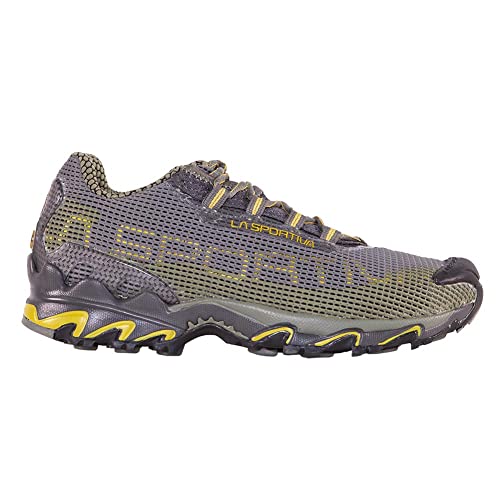
- Aggressive grip for moderate to technical terrain
- Maximum cushioning for rough trail outings
- Protective mesh cage and secure lacing harness
Best For: Cushioned trail running and hiking on demanding terrain
Balanced Grip Pick

- MaxTrac outsole for varied-terrain traction
- StoneGuard protects against rocks and debris
- Balanced cushioning with a stable feel
Best For: Neutral runners tackling rocky, mixed-terrain trails
Comfort Trail Value
New Balance Dynasoft Tektrel V1

- AT Tread outsole for on- and off-road traction
- Maximum DynaSoft cushioning
- Durable overlay and secure eye row
Best For: Cushion-focused runners and hikers on mixed surfaces
Mountain Stability Pick

- TrailTack Green outsole for wet and dry traction
- Rock shield and Trail Adapt System add stability
- Protective upper with responsive cushioning
Best For: Rugged mountain trails and uneven terrain
Reliable Trail Value

- Rugged outsole for off-road traction
- Moderate Versarun cushioning
- Supportive mesh upper with overlays
Best For: Everyday trail running and hiking
All-Terrain Comfort

- 3mm TrailTack Green lugs
- DNA LOFT v3 cushioning
- Protective, breathable upper
Best For: Dry, rocky, and technical trails
Best for Muddy Trails – Salomon Speedcross
For runners seeking trail running shoes with aggressive lugs, the Salomon Speedcross is built for soft, loose, muddy, rocky, and rugged terrain. Its deep Mud Contragrip lugs, protective upper, and secure Quicklace fit emphasize confident traction and stability across varied trails.
Best For: Mixed and muddy trail running where strong grip, debris protection, and a locked-in fit matter most.
Pros:
- Deep, sharp lugs and a high-adhesion compound target soft, loose, and rugged surfaces.
- Anti-debris mesh and durable ripstop fabric help protect against trail debris and abrasion.
- Sensifit construction and Quicklace provide a precise, foot-hugging fit.
- A specialized heel unit supports stability throughout the stride.
Cons:
- Not water resistant.
- Moderate rather than maximum cushioning.
- The aggressive tread is primarily suited to trails rather than general everyday use.
The Speedcross is a focused choice for runners who prioritize traction in soft and muddy conditions. Its protective construction and secure fit add confidence when the route becomes loose, overgrown, or uneven.
Everyday Trail Value – New Balance Dynasoft Nitrel V6
The New Balance Dynasoft Nitrel V6 is a practical option among trail running shoes with aggressive lugs for runners who split time between roads, paths, and trails. Its AT Tread outsole is designed for versatile on- and off-road traction, while the DynaSoft midsole adds responsive cushioning.
Best For: Comfortable everyday runs and mixed-surface outings that need adaptable traction rather than a highly specialized mountain setup.
Pros:
- AT Tread outsole provides traction across on- and off-road activities.
- DynaSoft midsole combines responsive performance with plush comfort.
- EVA foam insert adds underfoot comfort.
- No-sew overlays help support the upper construction.
Cons:
- The notes do not specify deep or highly aggressive lug dimensions.
- Its versatile design may be less specialized for technical mud or rugged terrain.
- The approximate 6 mm drop may vary because of manufacturing differences.
The Nitrel V6 makes the most sense for runners who want a cushioned, versatile trail shoe for varied daily routes. It offers a balanced approach to traction and comfort instead of targeting only the most demanding terrain.
Best for Wet Technical Trails – Topo Terraventure 5 GTX
For wet technical routes, the Topo Athletic Terraventure 5 GTX combines trail running shoes with aggressive lugs features with waterproof protection and underfoot defenses. GORE-TEX Invisible Fit, Vibram Megagrip traction, a rock plate, and 4 mm lugs are aimed at slippery, rocky, and rugged conditions.
Best For: Wet trail running and hiking on slippery rocks, uneven paths, and technical terrain where waterproofing and protection are priorities.
Pros:
- GORE-TEX Invisible Fit provides lightweight waterproof protection.
- Vibram Megagrip outsole supports traction on wet and technical surfaces.
- Forefoot rock plate helps protect against sharp rocks and roots.
- Universal gaiter system helps keep dirt, rocks, and debris out.
Cons:
- Low cushioning may feel firm for runners seeking a plush platform.
- The 4 mm lugs are aggressive enough for trail use but not the deepest option in this roundup.
- Waterproof construction can be more specialized than needed for dry, easy paths.
The Terraventure 5 GTX stands out when wet weather and technical footing are central to the run. Its low platform, rock plate, and Megagrip outsole favor ground connection and protection over maximum softness.
Best Cushioned Grip – La Sportiva Wildcat
The La Sportiva Wildcat is a well-cushioned trail option for runners who want trail running shoes with aggressive lugs and a stable feel on moderate to technical terrain. Its protective trail cage, foot-wrap lacing harness, and aggressive-grip outsole support demanding routes that also call for substantial cushioning.
Best For: Moderate to technical trail running and hiking when cushioning, stability, and dependable grip are key priorities.
Pros:
- Aggressive grip is designed for trail use, including moderate to technical terrain.
- Maximum cushioning helps soften longer or rougher outings.
- One-piece wear-resistant mesh and a protective trail cage add durability.
- Foot-wrap lacing harness supports a secure, stable fit.
Cons:
- Not water resistant.
- Maximum cushioning may provide less ground feel than a low-cushion trail shoe.
- The supplied notes do not specify lug depth or outsole compound.
The Wildcat is a strong fit for runners who prefer a cushioned, stable trail platform without giving up aggressive traction. Its construction is especially suited to rougher routes where comfort and upper protection matter.
Balanced Grip Pick – ALTRA Lone Peak 9
For runners seeking trail running shoes with aggressive lugs, the ALTRA Lone Peak 9 emphasizes dependable grip across varied terrain. Its MaxTrac outsole, moderate cushioning, and StoneGuard protection create a practical balance of traction and underfoot security.
Best For: Neutral trail runners who want firm, stable protection on rocky and debris-covered routes.
Pros:
- MaxTrac outsole is designed for grip, traction, and durability across different terrain.
- StoneGuard adds flexible underfoot protection over rocks and debris.
- APMA Seal of Acceptance supports its foot-health-focused design.
- Moderate cushioning provides a balanced ride.
Cons:
- Not water resistant.
- Reported fit sentiment indicates it may run large.
- Moderate cushioning may feel less plush than maximum-cushion models.
The Lone Peak 9 is a strong option when traction and trail protection matter more than waterproofing or heavily cushioned comfort.
Comfort Trail Value – New Balance Dynasoft Tektrel V1
New Balance Men's DynaSoft TEKTREL V1 Trail Running Shoe, Black/Phantom/Magnet, 10 M
Check Price On AmazonThe New Balance Dynasoft Tektrel V1 combines trail-ready traction with maximum cushioning for runners comparing trail running shoes with aggressive lugs. Its AT Tread outsole is intended for both on- and off-road use, while the upper adds durability and a secure lace-up fit.
Best For: Runners and hikers who want a cushioned, versatile shoe for mixed on- and off-road activities.
Pros:
- AT Tread outsole provides versatile traction on and off the road.
- DynaSoft midsole combines responsive performance with plush comfort.
- Regrind upper overlay adds durability.
- Corded eye row supports a locked-down feeling.
Cons:
- Maximum cushioning may feel less direct on technical terrain.
- Its water-resistant rating does not indicate full waterproof protection.
- The design is positioned for versatility rather than highly specialized mountain performance.
This model makes sense for buyers who prioritize cushioning and everyday versatility while still wanting a trail outsole for off-road use.
Mountain Stability Pick – Brooks Cascadia 19
Brooks Men’s Cascadia 19 Mountain Trail Running Shoe - Black/Black/Ebony - 10 Medium
Check Price On AmazonFor rugged routes, the Brooks Cascadia 19 is a compelling choice among trail running shoes with aggressive lugs. Its TrailTack Green outsole targets wet and dry traction, while the Trail Adapt System, rock shield, and protective upper support confident movement over uneven mountain terrain.
Best For: Trail enthusiasts who want traction, stability, cushioning, and protection on rugged mountain trails.
Pros:
- TrailTack Green outsole is designed for traction across wet and dry uneven terrain.
- Trail Adapt System and articulated Ballistic Rock Shield support stability and adaptability.
- DNA LOFT v3 cushioning provides a soft, responsive ride.
- Reinforced toe cap, mudguard, and overlays help protect against trail debris.
Cons:
- Not water resistant.
- Moderate-to-high cushioning may not suit runners seeking a minimal trail feel.
- Protection-focused construction may feel less lightweight than simpler trail shoes.
The Cascadia 19 stands out as the most protection- and stability-oriented option here, especially for uneven mountain routes and changing trail conditions.
Reliable Trail Value – Saucony Excursion TR14
The Saucony Excursion TR14 is a practical choice for runners and hikers looking for trail running shoes with aggressive lugs and dependable off-road traction. Its rugged outsole, moderate Versarun cushioning, and supportive mesh upper suit everyday trail use.
Best For: Neutral runners who want a cushioned, durable shoe for hiking and general trail running.
Pros:
- Rugged outsole is designed for off-road traction.
- Versarun foam provides moderate cushioning for comfortable outings.
- Supportive overlays help secure the foot within the breathable mesh upper.
Cons:
- It is not water resistant.
- Moderate cushioning may feel less plush than maximum-cushioning options.
With a neutral setup and streamlined low-top design, the Excursion TR14 is a sensible all-around trail shoe for moderate outdoor adventures rather than specialized wet-weather running.
All-Terrain Comfort – Brooks Ghost Trail
The Brooks Ghost Trail combines trail-focused grip with the familiar comfort-oriented design of the Ghost line. Its 3mm TrailTack Green lugs, DNA LOFT v3 cushioning, and protective upper make it a versatile option among trail running shoes with aggressive lugs.
Best For: Trail runners and outdoor adventurers tackling dry, rocky, and technical terrain.
Pros:
- 3mm lugs and TrailTack Green rubber provide traction on wet and dry surfaces.
- Nitrogen-infused DNA LOFT v3 cushioning offers plush landings with responsiveness.
- Air mesh and 3D-printed overlays balance breathability with protection from debris.
- Heel-locking geometry and adjustable lacing support a secure fit.
Cons:
- It is not water resistant.
- The listed weight is 1.9 pounds, which may feel substantial to runners seeking an especially light shoe.
The Ghost Trail stands out as a comfort-forward, adaptable model for varied terrain, with a traction package suited to changing trail surfaces and a cushioned ride for longer outings.
Cushioned Trail Versatility – New Balance Fresh Foam 410v9
The New Balance Fresh Foam 410v9 is built for runners who want lightweight comfort and versatile traction across roads and trails. Its AT Tread outsole, Fresh Foam and BIO Foam cushioning, and reinforced mesh construction make it a practical pick among trail running shoes with aggressive lugs.
Best For: Neutral runners moving between on-road activities, trail runs, and hiking adventures.
Pros:
- AT Tread outsole delivers versatile on-road and off-road grip.
- Fresh Foam and BIO Foam cushioning help absorb shock and reduce fatigue.
- Breathable mesh and reinforced overlays combine airflow with trail durability.
- Traditional lacing allows a customized, secure fit.
Cons:
- It is not water resistant.
- Its versatile outsole may be less specialized than a shoe designed solely for technical trails.
For buyers who split time between pavement and uneven terrain, the Fresh Foam 410v9 offers a comfortable, highly cushioned ride and an adaptable outsole without overcomplicating the design.
How We Picked the Best Trail Running Shoes with Aggressive Lugs
We focused on shoes with outsole patterns and rubber compounds suited to loose dirt, mud, wet rock, gravel, roots, and other uneven surfaces. We also considered fit, cushioning, stability, upper protection, waterproofing, heel-to-toe geometry, and overall versatility. Because trail conditions vary widely, the list includes both highly specialized mountain shoes and more adaptable options for runners who split time between roads and trails.
Quick Comparison
For especially muddy or steep routes, prioritize deep, widely spaced lugs that can shed debris. Waterproof models are useful in persistent rain, wet grass, and shallow puddles, but they can feel warmer and may dry more slowly after full immersion. Shoes with moderate lugs and softer cushioning are generally better for mixed surfaces, smoother park trails, and everyday training.
Key Buying Factors for Trail Running Shoes with Aggressive Lugs
Outsole Grip and Lug Design
Lug depth is only part of the equation. Deep, multidirectional lugs can improve braking and climbing traction, while a durable rubber compound helps the outsole withstand abrasive rock. Widely spaced lugs tend to release mud more effectively; closely packed patterns can feel smoother on compact dirt and pavement.
Fit, Foot Shape, and Security
Your heel should stay secure without pressure, and your toes should have enough room to spread and avoid striking the front of the shoe on descents. A snug, supportive upper is valuable on technical terrain, while runners with broader feet may prefer a roomier toe box. Always account for swelling on long runs and the socks you plan to wear.
Cushioning and Protection
More cushioning can reduce fatigue on long distances, but excessive stack height may reduce ground feel on technical sections. Look for reinforced toe caps, durable uppers, and sufficient underfoot protection if your routes include sharp rocks or roots. A rock plate can add protection, though it may make the shoe feel firmer.
Weather and Terrain
Choose waterproof construction for consistently wet conditions rather than occasional puddles alone. For hot climates or stream crossings, breathable non-waterproof mesh may be more practical. Consider whether you need a shoe primarily for mud, alpine rock, hard-packed trails, or a mixture of surfaces.
Who Should Buy Which Trail Running Shoes with Aggressive Lugs?
Choose the most aggressive tread and strongest protection if you regularly run steep, muddy, technical routes. A waterproof model makes sense for wet climates and shoulder-season training. Runners seeking a roomy, natural-feeling fit should prioritize models with a broader forefoot, while those wanting a familiar, cushioned ride may prefer a more traditional road-to-trail design.
For mixed-use training, select a versatile outsole that remains comfortable on compact dirt and short pavement sections. If you run long distances, give extra weight to cushioning, secure fit, and overall comfort; if traction is the overriding concern, accept a firmer ride in exchange for deeper lugs and better terrain control.