Concrete is one of the hardest surfaces to run and walk on regularly, so the right footwear can make a noticeable difference in comfort. The best running shoes for concrete combine responsive cushioning, dependable support, a secure fit, and durable outsoles.
We selected 10 models for different needs, from maximum-impact protection and stability to affordable shoes for commuting, work, and casual training. Use the guide below to narrow the choices by fit, cushioning level, gait support, and intended use.
Best 10 Running Shoes for Concrete Picks for 2026
Balanced Road Comfort
Under Armour Charged+ Assert 11

- Charged+ cushioning for soft daily comfort
- Leather overlays provide midfoot support
- Rubber outsole suits roads and treadmills
Best For: Neutral runners training on roads, sidewalks, or treadmills
Maximum Cushioning Pick

- Maximum cushioning for road running
- 43-millimeter platform offers substantial underfoot support
- Engineered mesh lining and foam cushioning
Best For: Underpronating runners who prioritize impact comfort
Wide-Fit Everyday Trainer

- Wide fit for additional room
- Rearfoot GEL supports shock absorption
- AMPLIFOAM PLUS and OrthoLite cushioning
Best For: Wide-fit runners wanting moderate everyday cushioning
Supportive Daily Value

- EVA cushioning supports daily shock absorption
- Saddle overlays add midfoot structure
- Rubber outsole grips roads and gym floors
Best For: Neutral runners wanting structured everyday cushioning
Supportive Road Miles

- GuideRails support helps control excess movement
- Nitrogen-infused cushioning softens road miles
- Breathable fit for road and treadmill running
Best For: Runners and walkers needing supportive, cushioned road shoes
Lightweight Daily Trainer
Under Armour Charged Assert 10

- Breathable mesh keeps the upper lightweight
- Charged Cushioning provides responsive durability
- Solid rubber reinforces high-impact zones
Best For: Neutral runners wanting a lightweight road trainer
Maximum Stability on Hard Surfaces
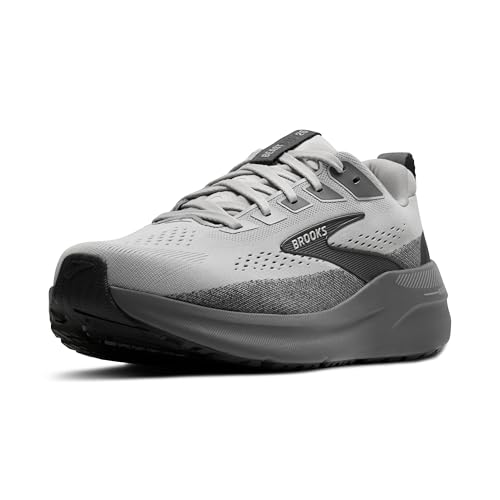
- Maximum stability supports overpronated strides
- Roomy fit accommodates orthotics and wide feet
- RoadTack rubber grips concrete and asphalt
Best For: Overpronators and orthotics users needing structured support
Lightweight Everyday Value
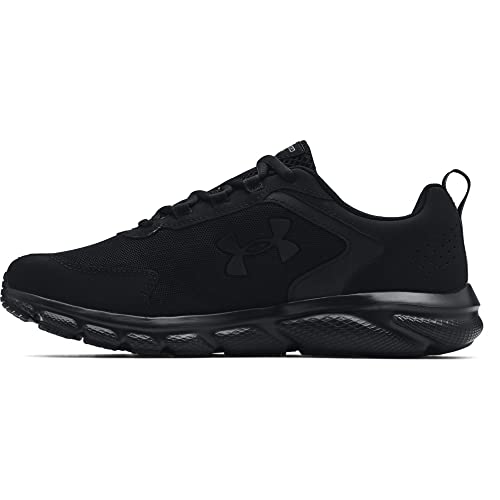
- Breathable mesh upper with supportive overlays
- Responsive Charged Cushioning midsole
- Neutral road shoe with durable rubber outsole
Best For: Everyday neutral road running
Flexible Cushioned Training
Joomra Whitin Supportive Running Shoe
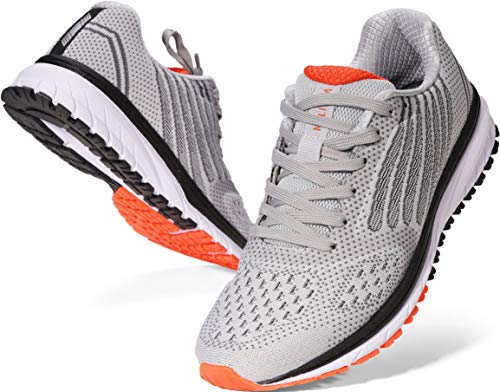
- Maximum foam cushioning for everyday comfort
- Level platform with lower heel-to-toe drop
- Rubber traction outsole and knit upper
Best For: Walking, workouts, and casual concrete runs
Balanced Road Comfort – Under Armour Charged+ Assert 11
For runners seeking running shoes for concrete, the Under Armour Charged+ Assert 11 combines a breathable athletic mesh upper with leather overlays for added midfoot support. Its Charged+ cushioning and rubber outsole are designed for comfortable road and treadmill use.
Best For: Neutral runners who want cushioned daily training shoes for roads, sidewalks, or treadmills.
Pros:
- Charged+ midsole cushioning provides soft, all-day comfort.
- Leather overlays add structure and midfoot support.
- Rubber outsole with flex grooves supports traction and toe-off.
- Upper contains at least 30% recycled content.
Cons:
- Not water resistant.
- Neutral design may not suit runners seeking pronation correction.
The Assert 11 is a practical choice for everyday road running when you want a flexible, maximally cushioned neutral shoe with a durable outsole.
Maximum Cushioning Pick – HOKA Bondi 9
The HOKA Bondi 9 is built for runners who prioritize cushioning in running shoes for concrete. Its engineered mesh lining, foam insole and midsole, and 43-millimeter platform provide a highly cushioned setup for road and treadmill running.
Best For: Underpronating runners who want maximum cushioning for road running and everyday comfort.
Pros:
- Maximum cushioning is suited to high-impact daily running.
- 43-millimeter platform provides a substantial underfoot profile.
- Engineered mesh lining supports a lightweight athletic-shoe design.
Cons:
- Not water resistant.
- Its maximum-cushioning platform may feel substantial compared with lower-profile shoes.
With a flat heel, foam cushioning, and a road-oriented design, the Bondi 9 is a strong option when impact comfort matters more than a minimalist feel.
Wide-Fit Everyday Trainer – ASICS Gel-Contend 10
The ASICS Gel-Contend 10 offers a wide fit and moderate cushioning for runners comparing running shoes for concrete. Its engineered mesh upper, rearfoot GEL technology, AMPLIFOAM PLUS midsole, and OrthoLite sockliner target breathable comfort and shock absorption.
Best For: Runners who need a wide-fitting daily shoe with moderate cushioning for athletic use.
Pros:
- Wide fit accommodates runners seeking additional room.
- Rearfoot GEL technology helps with shock absorption.
- AMPLIFOAM PLUS provides a softer, more comfortable ride.
- OrthoLite sockliner supports cushioning and moisture management.
Cons:
- Not water resistant.
- Moderate cushioning may feel less plush than maximum-cushioning alternatives.
The Gel-Contend 10 is a sensible daily trainer for runners who value a roomier fit, breathable materials, and balanced cushioning for regular athletic use.
Supportive Daily Value – New Balance 460 V4
The New Balance 460 V4 is a straightforward option among running shoes for concrete, pairing soft EVA cushioning with a breathable mesh upper. Its supportive saddle overlays and durable rubber outsole are suited to roads, sidewalks, and gym floors.
Best For: Neutral runners seeking moderate-to-high cushioning, a structured fit, and dependable traction for daily training.
Pros:
- Soft EVA cushioning and an NB Comfort Insert provide shock absorption.
- Mesh and synthetic upper promotes airflow and lightweight flexibility.
- Midfoot saddle overlays add structure for a locked-in feel.
- Rubber outsole delivers traction on roads, sidewalks, and gym floors.
Cons:
- Not water resistant.
- Neutral construction is not designed for runners seeking pronation correction.
The 460 V4 balances cushioning, structure, and outsole durability, making it a practical everyday choice for neutral runners moving between pavement and indoor training surfaces.
Supportive Road Miles – Brooks Adrenaline GTS 25
For runners and walkers looking for running shoes for concrete, the Brooks Adrenaline GTS 25 combines maximum cushioning with structured support. Its GuideRails system helps limit excess movement, while nitrogen-infused DNA LOFT v3 cushioning is designed for a soft, smooth ride on roads and treadmills.
Best For: Road runners and walkers who need support for overpronation and comfortable cushioning for everyday mileage.
Pros:
- GuideRails support helps keep excess movement in check.
- Soft, lightweight nitrogen-infused DNA LOFT v3 cushioning.
- Breathable mesh upper with a secure, flexible fit.
- Rubber outsole and smooth transitions suit road and treadmill use.
Cons:
- Not water resistant.
- Support-focused design may feel more structured than neutral shoes.
The Adrenaline GTS 25 is a well-rounded choice for hard-surface running when dependable support and cushioned comfort matter more than a minimalist feel.
Lightweight Daily Trainer – Under Armour Charged Assert 10
The Under Armour Charged Assert 10 is a practical option for shoppers seeking running shoes for concrete without a bulky feel. Its breathable mesh upper, EVA sockliner, Charged Cushioning midsole, and solid-rubber high-impact zones provide a lightweight setup for road running.
Best For: Neutral runners who want a breathable, moderately cushioned shoe for road workouts and everyday use.
Pros:
- Lightweight, breathable mesh upper with supportive synthetic overlays.
- Charged Cushioning midsole offers responsiveness and durability.
- Solid rubber covers high-impact areas while limiting added weight.
- EVA sockliner provides soft step-in comfort.
Cons:
- Moderate cushioning may provide less underfoot softness than maximum-cushion models.
- Neutral design does not offer dedicated pronation correction.
- Not water resistant.
Choose the Charged Assert 10 if you prefer a straightforward, breathable road trainer with neutral support and a responsive feel for hard surfaces.
Maximum Stability on Hard Surfaces – Brooks Beast GTS 26
Brooks Men’s Beast GTS 26 Supportive Running & Walking Shoe - Gray/Gray/Blackened Pearl - 12 Medium
Check Price On AmazonFor runners who need maximum stability from running shoes for concrete, the Brooks Beast GTS 26 is built around structured support and durable cushioning. Its GuideRails system, roomy fit, and RoadTack rubber outsole make it especially suited to overpronators, orthotics users, and repeated use on asphalt, concrete, or gym floors.
Best For: Overpronators, runners using orthotics, and walkers who want maximum stability, a roomy fit, and hard-surface traction.
Pros:
- Maximum stability with GuideRails support for excess movement.
- Roomy upper accommodates wide feet or orthotics.
- Nitrogen-infused DNA LOFT v3 cushioning is soft yet resilient.
- RoadTack rubber provides traction and durability on concrete and asphalt.
Cons:
- Heavier than the other listed options at 1.5 pounds.
- Maximum-stability construction may feel substantial for neutral runners.
- Not water resistant.
The Beast GTS 26 is the strongest fit here for demanding hard surfaces when motion control, orthotic room, and durable road grip take priority over low weight.
Soft-Ride Road Comfort – ASICS Gel-Nimbus 28
For runners seeking running shoes for concrete, the ASICS Gel-Nimbus 28 emphasizes soft cushioning and a comfortable, breathable fit. PureGEL, FF BLAST PLUS foam, and an OrthoLite X-55 sockliner are designed to support road and treadmill use.
Best For: Road and treadmill runners who prioritize cushioned comfort and a breathable knit upper.
Pros:
- PureGEL technology is approximately 65% softer than standard GEL technology.
- FF BLAST PLUS foam provides cloud-like cushioning with a responsive ride.
- Engineered knit upper and OrthoLite X-55 sockliner support breathability and moisture management.
- HYBRID ASICSGRIP outsole combines grip and durability materials for varied terrain.
Cons:
- Listed cushioning is moderate to high, so it may not suit runners seeking a minimal feel.
- The shoe is not water resistant.
- Its listed fit sentiment is true to size, but individual fit preferences may vary.
The Gel-Nimbus 28 is a strong option when concrete running calls for a softer, more cushioned road shoe with visibility details for early-morning or nighttime use.
Lightweight Everyday Value – Under Armour Charged Assert 9
The Under Armour Charged Assert 9 is a practical choice among running shoes for concrete, with a breathable mesh upper, responsive Charged Cushioning, and a road-ready rubber outsole. Its neutral setup suits runners who want a straightforward everyday shoe.
Best For: Neutral road runners looking for breathable construction, moderate cushioning, and durability in high-impact areas.
Pros:
- Lightweight mesh upper provides complete breathability.
- Leather overlays help stabilize and secure the midfoot.
- Charged Cushioning foam is designed for responsiveness and durability.
- Solid rubber outsole covers high-impact zones while limiting added weight.
Cons:
- Moderate cushioning may feel less plush than highly cushioned alternatives.
- The shoe is listed as not water resistant.
- It is designed for neutral pronation, not pronation correction.
For regular pavement miles, the Charged Assert 9 offers a balanced combination of breathability, neutral support, and road-focused durability without emphasizing maximum cushioning.
Flexible Cushioned Training – Joomra Whitin Supportive Running Shoe
The Joomra Whitin is a versatile option for running shoes for concrete, walking, gym sessions, and other workouts. Its engineered knit upper, foam midsole, rubber outsole, and level platform focus on cushioned comfort and a more natural running position.
Best For: Walkers, gym users, and runners wanting a highly cushioned, flexible shoe for varied everyday activities.
Pros:
- Engineered knit upper includes a padded collar and lace-up closure for a customizable fit.
- Dense foam midsole provides lightweight response and lasting durability.
- Rubber outsole is designed to provide reliable traction.
- Level platform has a lower heel-to-toe drop for a more natural running position.
Cons:
- The maximum cushioning and lower-drop platform may not suit runners who prefer a traditional elevated heel.
- Its broad activity listing may make it less specialized for dedicated road racing.
- The supplied details identify it as waterproof, but breathability may vary with that construction.
The Whitin stands out as a multipurpose, cushioned trainer for concrete walks, workouts, and casual runs, especially for shoppers who prefer a lower-drop platform.
How We Picked the Best Running Shoes for Concrete
We focused on features that matter most on rigid pavement: cushioning under the heel and forefoot, stable transitions, breathable uppers, supportive midsole construction, and outsole durability. The lineup includes neutral and stability-oriented shoes, budget-friendly options, and highly cushioned models so shoppers can match a shoe to their stride and daily mileage.
We also considered versatility. A good pair for concrete may be used for road running, walking, standing at work, commuting, or gym sessions, so fit security and all-day comfort are important alongside speed and responsiveness.
Quick Comparison
| Best For | What to Look For | Recommended Type |
|---|---|---|
| Maximum impact protection | Thick, soft cushioning and a broad platform | Highly cushioned neutral shoe |
| Overpronation support | Guidance features and a stable heel | Stability running shoe |
| Daily walking and light running | Comfortable fit, flexible ride, durable rubber | Versatile everyday trainer |
| Budget-conscious buyers | Basic cushioning and reliable upper support | Affordable road-running shoe |
| Long shifts on hard floors | Step-in comfort, heel cushioning, and secure lockdown | Well-cushioned walking or running shoe |
Key Buying Factors for Running Shoes for Concrete
Cushioning and Impact Absorption
Concrete provides little natural shock absorption. Choose a more cushioned midsole if you run frequently, spend long hours standing, or regularly experience foot and leg fatigue. Softer foam can feel comfortable, while firmer foam may provide a more stable and responsive ride.
Stability and Support
If your ankles roll inward or you have been advised to use supportive footwear, look for a stability model with guidance features. Neutral shoes can be a better fit for runners with an efficient, neutral stride because they allow a less structured transition.
Fit, Width, and Lockdown
Leave roughly a thumb’s width in front of the toes, and check that the heel does not lift during walking or running. A secure midfoot prevents sliding, while a roomy toe box helps reduce pressure during longer sessions. If your feet are wide, prioritize available width options rather than simply sizing up.
Outsole Durability and Traction
Look for rubber coverage in high-wear areas, especially beneath the heel and forefoot. Road-focused tread is usually sufficient for sidewalks and pavement, but avoid overly aggressive trail lugs if most of your miles are on concrete.
Who Should Buy Which Running Shoes for Concrete?
Choose a maximum-cushion model if hard surfaces leave your feet feeling beaten up or if you want a plush ride for longer outings. A stability shoe is the more suitable choice for runners who need additional guidance or prefer a structured feel. Neutral daily trainers work well for runners with a naturally stable stride and are often the most versatile option for running, walking, and gym use.
For occasional jogging, commuting, or work shifts, an affordable cushioned model may offer the best value. If you run several times a week or need shoes for sustained mileage, prioritize fit, cushioning consistency, and outsole durability over the lowest upfront price. Replace any pair when the tread is visibly worn, the midsole feels flat, or discomfort appears despite a previously good fit.