Running can expose poor posture quickly: rounded shoulders, a collapsing upper back, or excessive tension through the neck may make longer sessions feel harder. The right support brace can provide a gentle reminder to maintain better alignment without restricting natural movement.
We compared 10 adjustable posture correctors for comfort, fit, breathability, support, and practical use before and after runs. Use the guide below to narrow your choice by training needs, body shape, and desired level of correction.
Best 10 Posture Corrector for Runners Picks for 2026
Best Overall
ComfyBrace Adjustable Posture Corrector

- Fits 30–43-inch chests
- Breathable and discreet under clothing
- Lifetime warranty included
Best For: Gradual everyday posture support
Best Lightweight Option
Copper Fit Unisex Posture Support

- Weighs just 4.48 ounces
- Fits 33–44-inch chests
- Copper-infused fabric helps reduce odor
Best For: Lightweight, discreet daily wear
Best Slim Daily-Wear Pick
Slim-Profile Back Straightener
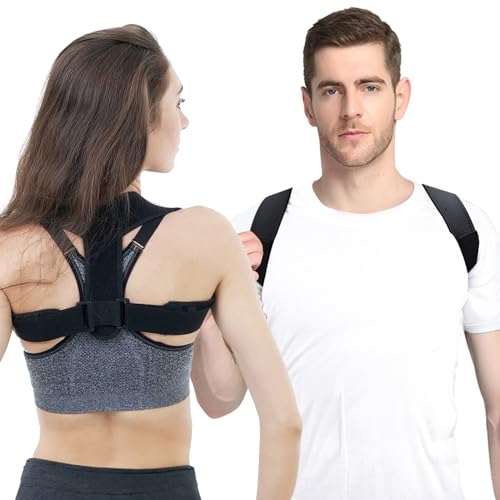
- Ultra-thin and breathable fabric
- Works for walking and light exercise
- Designed for work and everyday routines
Best For: Low-profile posture support beyond workouts
Flexible Daily Alignment

- Four fiberglass stays balance stability and flexibility
- Breathable low-profile mesh supports extended wear
- Adjustable fit for men and women
Best For: Daily posture training and light activity
Low-Profile Training Support

- Fits stated 28–43 inch chest range
- Designed to stay discreet under clothing
- Supports shoulders, clavicle, and upper back
Best For: Discreet daily wear and light exercise
Full-Back Stability

- Supports back, chest, shoulders, and waist
- Breathable mesh and widened adjustable belt
- Removable support strip and storage bag included
Best For: Broader back and lumbar support
Best with Extra Features
Adjustable Figure-8 Upper Back Support

- 25–55-inch adjustable chest fit
- Breathable padded straps
- Low-profile under-clothing design
Best For: Adults wanting versatile upper-back support for daily wear and light activity
Best for Running
Lightweight Schiara Shoulder Brace
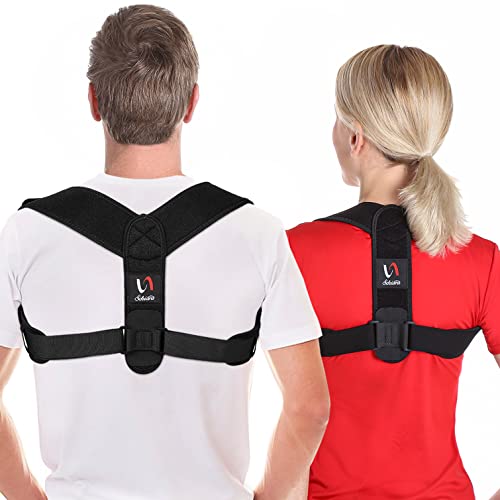
- Running listed as a sport type
- Lightweight 0.14-kg design
- Fits 30–42-inch chests
Best For: Runners seeking lightweight support for shorter sessions
Best Overall – ComfyBrace Adjustable Posture Corrector
For runners seeking a posture corrector for runners that can also fit into everyday routines, the ComfyBrace offers adjustable upper-back support with a breathable design. Its gradual-wear guidance makes it better suited to posture practice than extended, intense activity.
Best For: Adults wanting adjustable, discreet posture support for walking, standing, and daily wear.
Pros:
- Adjustable design fits 30–43-inch chests.
- Breathable, soft polyester construction can be worn under clothing.
- Designed to support posture and reduce reported back, neck, shoulder, and clavicle strain.
- Includes a lifetime warranty.
Cons:
- Recommended use begins at just 5–10 minutes and gradually increases.
- It is designed to improve posture, not replace medical or surgical treatment.
- Hand-wash care is required.
The broad fit range, breathable build, and lifetime warranty make this a versatile everyday pick. Runners should use it as a gradual posture-training aid rather than as a substitute for running-specific medical support.
Best Lightweight Option – Copper Fit Unisex Posture Support
The Copper Fit support is a practical posture corrector for runners who prioritize a lightweight, low-profile brace for walking and everyday wear. Flexible straps provide adjustable reinforcement, while the copper-infused fabric is designed to help with freshness.
Best For: Adults wanting a discreet, lightweight support for all-day use under or over clothing.
Pros:
- Lightweight construction weighs 4.48 ounces.
- Adjustable straps provide a customizable fit for 33–44-inch chests.
- Designed to help improve alignment and reduce neck, shoulder, and back strain.
- Copper-infused material helps reduce odor and support freshness.
Cons:
- One-size-fits-most range may not suit every body shape.
- Hand-wash and air-dry care may require extra attention.
- The listed sport type is walking, not running.
This is a strong choice when low weight and discreet wear matter most. Its gentle support may suit posture practice around daily activities, but the product notes do not establish it as dedicated running equipment.
Best Slim Daily-Wear Pick – Slim-Profile Back Straightener
This slim back straightener is a straightforward posture corrector for runners who want support that can transition between work, walking, driving, and light exercise. Its soft, breathable, ultra-thin design is intended to remain unobtrusive under or over clothing.
Best For: Adults seeking a slim brace for office wear, errands, walking, and light exercise.
Pros:
- Soft, breathable, ultra-light, and ultra-thin fabric.
- Designed to open the shoulders and encourage more upright posture.
- Suitable for work, home, driving, walking, and slight exercise.
- Can be worn outside clothing while maintaining a stated attractive appearance.
Cons:
- The notes recommend starting with 1–2 hours per day, rather than immediate all-day use.
- It is described for slight exercise, not strenuous running.
- No specific chest-size range is supplied.
Its slim profile makes it appealing for runners who want a brace that does not feel limited to workouts. Because sizing details are not provided and the product is positioned for light exercise, confirm the fit and keep initial use gradual.
Best Adjustable Fit – Breathable Medium Posture Corrector
For shoppers comparing a posture corrector for runners, this medium brace stands out for its multiple adjustment points and backpack-style design. Breathable materials, shoulder straps, a movable back buckle pad, and hook-and-loop closures are intended to make daily wear easier to personalize.
Best For: Adults who want a medium-size brace with flexible adjustment for exercise, driving, work, and home use.
Pros:
- Fully adjustable shoulder straps help personalize the fit.
- Relocatable back buckle pad offers additional fit adjustment.
- Lightweight, breathable design is intended to remain unobtrusive under clothing.
- Listed for exercising as well as office work, studying, driving, and home use.
Cons:
- The supplied listing identifies it as Medium but does not provide a chest-measurement range.
- Support may not suit shoppers seeking a rigid brace.
- The notes describe general exercise use, not running-specific performance.
This model is the most fit-focused option in the group, with several ways to adjust the shoulder and back positioning. Runners should verify that the medium size works for their measurements and introduce it gradually during low-intensity activities.
Flexible Daily Alignment – Fit Geno Posture Corrector
If you want a posture corrector for runners that can also support everyday posture habits, the Fit Geno model emphasizes gentle upper-back alignment rather than rigid immobilization. Its breathable mesh, adjustable straps, and lightweight fiberglass stays make it suited to walking, commuting, desk work, and other light activities.
Best For: Runners seeking gentle posture awareness and upper-back support during daily wear or light activity.
Pros:
- Four lightweight fiberglass stays provide stable support while preserving flexibility.
- Breathable, low-profile mesh helps limit heat buildup and fits under most clothing.
- Adjustable shoulder straps and waist support accommodate different body types.
- Designed for gradual posture training instead of rigid correction.
Cons:
- It is intended for light daily activities rather than demanding running sessions.
- Hand-wash care is required.
- Users need to select the correct size for comfort and stability.
With flexible support and airflow-focused construction, this is a practical option for building better alignment habits around—not necessarily during—your runs. Start with short wear periods and combine it with stretching and strengthening, as the product guidance suggests.
Low-Profile Training Support – Adjustable Upper Back Brace
For runners comparing a posture corrector for runners that can remain discreet during everyday movement, this adjustable upper-back brace focuses on shoulder, clavicle, and spine support. Its stated 28- to 43-inch chest range and under-clothing design make fit and visibility the main considerations.
Best For: Runners who want discreet upper-back and shoulder support for daily wear, exercise, or yoga.
Pros:
- Adjustable design fits stated chest sizes from 28 to 43 inches.
- Can be worn under clothing for a discreet appearance.
- Provides shoulder, clavicle, upper-back, and spine support.
- Designed for work, exercise, yoga, relaxation, and daily wear.
Cons:
- The notes do not specify breathable fabric or removable support components.
- It is described as an upper-back brace, so it may offer less lower-back coverage than a full-back design.
- Fit depends on matching the stated chest-size range.
This brace is most compelling when discreet wear matters and the goal is upper-body alignment support during routine activities. Runners should view it as a posture aid rather than a performance-specific running brace.
Full-Back Stability – BraceTop Lumbar Support Brace
Runners looking for a posture corrector for runners with broader coverage may prefer this full-back design. It combines adjustable shoulder straps, a widened waist belt, breathable mesh, and a removable high-elastic support strip for support extending from the upper back toward the lumbar area.
Best For: Runners who want adjustable full-back, waist, and posture support for daily activities or lifting-related tasks.
Pros:
- Three-in-one design supports the back, chest, and shoulders.
- Widened belt and adjustable straps provide customizable coverage and tension.
- Dense perforated mesh is intended to improve airflow and comfort.
- Removable support strip can be withdrawn for pressure adjustment or cleaning, and a storage bag is included.
Cons:
- The fuller construction may feel less discreet under clothing than a simple upper-back brace.
- It is hand-wash only.
- Correct sizing requires measuring waist circumference at the navel.
Compared with the lighter upper-back options, this model makes more sense for shoppers who want waist and lumbar involvement as well as shoulder alignment. Its design is oriented toward support during everyday use and heavier tasks, not specifically toward unrestricted running.
Best with Extra Features – Adjustable Figure-8 Upper Back Support
If you want a posture corrector for runners that can also work for desk time and everyday wear, this adjustable figure-8 brace offers broad upper-back and shoulder support. Its breathable, low-profile design is intended to stay discreet under shirts while you build wearing time gradually.
Best For: Adults seeking adjustable upper-back support for daily activities, computer work, or light gym use, including broader or plus-size frames.
Pros:
- Adjustable chest fit from 25 to 55 inches for a unisex fit.
- Breathable, padded straps are designed to reduce rubbing and underarm chafing.
- Slim design can be worn discreetly under clothing.
- Can be introduced gradually, starting with 15–30 minutes per day.
Cons:
- Hand-wash care is required.
- It is a posture-support brace, not a substitute for individualized medical guidance.
This is the most flexible option of the three for users who want a wide size range, discreet construction, and support that transitions between work, home, and exercise settings. Start slowly and adjust the straps for comfort.
Best for Running – Lightweight Schiara Shoulder Brace
For shoppers specifically comparing a posture corrector for runners, the Schiara stands out because its product details list running as a sport type and emphasize a lightweight, breathable construction. The fit is more limited, so measure your chest before ordering and ease into wear.
Best For: Adults with a 30–42-inch chest who want lightweight posture support for running and everyday activities.
Pros:
- Lightweight construction weighs about 0.14 kg.
- Breathable, washable neoprene fabric is designed for comfortable wear.
- Adjustable buckle closure and an under-clothing profile.
- Product details specifically identify running as a sport type.
Cons:
- Chest sizing is limited to 30–42 inches.
- The manufacturer recommends no more than two hours of continuous wear.
- Discomfort, numbness, swelling, or discoloration calls for loosening or discontinuing use.
This is a practical pick for runners who prioritize a lightweight brace and have a compatible chest measurement. Its stated wear-time limits make it better suited to shorter sessions than all-day support.
Best Breathable Design – Mesh Adjustable Back Straightener
If heat and sweat are concerns when choosing a posture corrector for runners, this model uses breathable mesh and a lightweight design. It is also described for exercising and yoga, though its one-size format makes checking the adjustment and comfort especially important.
Best For: Adults and teens wanting breathable, discreet posture support for standing, exercise, yoga, or everyday activities.
Pros:
- Breathable mesh helps limit overheating and sweat buildup.
- Lightweight, adjustable design is intended for discreet wear under clothing.
- Suitable for working, standing, exercising, yoga, and daily activities.
- Hand-wash and air-dry care is straightforward.
Cons:
- Listed as one size, so sizing flexibility may be more limited than adjustable chest-range models.
- Recommended wear begins at 10–20 minutes per day and increases gradually.
- The supplied details identify yoga rather than running as the sport type.
This model makes the most sense for users who value airflow and versatility across light exercise and daily wear. Runners should treat it as general posture support and confirm that the one-size fit stays comfortable during movement.
How We Picked the Best Posture Corrector for Runners
We focused on features that matter when a brace is used around an active lifestyle: adjustable straps, breathable materials, low-profile construction, shoulder and upper-back support, and ease of putting it on correctly. Because running requires unrestricted arm movement and natural breathing, we favored designs that encourage alignment rather than aggressively immobilizing the torso.
We also considered sizing clarity and versatility. A posture corrector may be worn during desk work, walking, warm-ups, or recovery, but it should not replace strength training, mobility work, or professional care for persistent pain.
Quick Comparison
| Best For | Look For | Why It Matters |
|---|---|---|
| New users | Lightweight, adjustable figure-8 design | Provides a gentle alignment reminder |
| Longer wear | Breathable fabric and padded straps | Reduces heat and shoulder irritation |
| Broader support | Full-back or lumbar coverage | May feel more secure during recovery |
| Layering under clothing | Low-profile construction | Works discreetly during everyday activities |
Key Buying Factors for a Posture Corrector for Runners
Fit and Adjustability
Measure according to the manufacturer’s instructions rather than guessing from clothing size. Straps should sit securely without digging into the shoulders or restricting breathing. Adjustable designs are useful when clothing layers change, but over-tightening can create new tension.
Comfort and Breathability
Look for soft edges, breathable panels, and padding at pressure points. A comfortable brace is more likely to be used consistently for short periods. If it causes numbness, rubbing, or limited arm swing, remove it and reassess the fit.
Support Level and Mobility
A lightweight upper-back brace is usually the most practical starting point for posture awareness. Full-back or lumbar-support models can offer more coverage, but they may feel warmer or more restrictive. For running itself, prioritize free shoulder rotation and a natural stride.
When and How to Wear It
Start with brief sessions while walking, working, or completing easy mobility exercises. Follow the product instructions and avoid treating the brace as a substitute for strengthening the upper back, core, and hips. Stop use if discomfort worsens.
Who Should Buy Which Posture Corrector for Runners?
- Choose a lightweight adjustable brace if you want a simple reminder to avoid rounded shoulders during daily activities or warm-ups.
- Choose a breathable, padded model if you expect longer wear or tend to overheat easily.
- Choose broader full-back support if you prefer more coverage during recovery, provided it does not restrict movement.
- Choose a low-profile design if you plan to wear it beneath casual clothing or a light running layer.
The best Posture Corrector for Runners is the one that fits securely, allows natural movement, and supports better habits without becoming uncomfortable. Persistent pain, weakness, or tingling warrants evaluation by a qualified healthcare professional.