When you hike alone, every ounce matters, but so does being prepared for the unexpected. The best kit should be compact, water-resistant, and stocked with the essentials you’re most likely to need on the trail.
Our roundup of the best first aid kit for solo hiking options in 2026 focuses on portable designs, practical contents, and reliable protection for day hikes, backpacking, and remote routes.
Best 10 First Aid Kit for Solo Hiking Picks for 2026
Ultralight Minimalist Pick
RHINO RESCUE Small Ultralight First Aid Kit

- Weighs just 0.45 lb fully equipped
- Includes 79 essentials for common outdoor injuries
- Water-resistant, compact, and easy to pack
Best For: Solo hikers who want the lightest practical kit
Waterproof Trail Pocket Kit
Adventure Medical Kit Ultralight/Watertight .5

- Fits easily in a pack side pocket
- Waterproof DryFlex inner bag keeps supplies dry
- Includes blister care and common wound supplies
Best For: Solo hikers who prioritize waterproof storage and light weight
Value-Packed Compact Kit
PTEROMY 150 Piece Mini First Aid Kit

- 150-piece set for broad everyday coverage
- Compact bag fits easily in a backpack
- Includes basics like bandages, dressings, and scissors
Best For: Solo hikers wanting a compact kit with more pieces
Extended Coverage Pick
Adventure Medical Kits Ultralight/Watertight .9

- More complete coverage for longer hikes
- Waterproof DryFlex bag helps protect supplies
- Includes trauma-oriented items and blister care
Best For: Solo hikers who want broader coverage for longer outings
Compact Waterproof Trail Kit
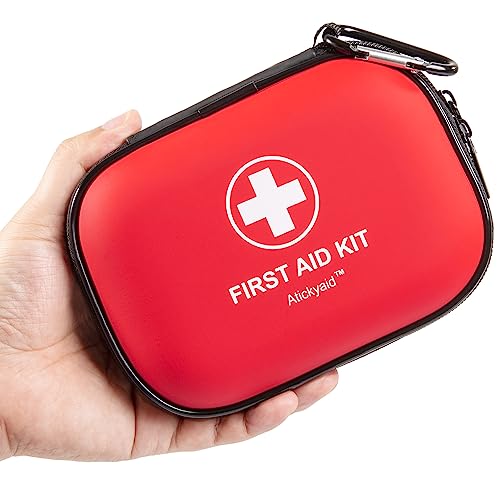
- 120-piece set for basic trail care
- Waterproof hard-shell EVA case
- Small enough to pack or hang on a backpack
Best For: Solo hikers who want a compact, waterproof kit with more supplies
Ultralight EDC Pack Companion

- Weighs only 6.7 oz for ultralight carry
- Includes 50 supplies plus emergency blanket
- Carabiner and compact case suit fast pack access
Best For: Solo hikers and backpackers who want the lightest possible kit
Waterproof Everyday Trail Kit

- 66-piece set with everyday essentials
- Waterproof and lightweight at 3.99 oz
- Compact pouch suits hiking and travel
Best For: Solo hikers who want a lightweight, waterproof pouch with practical essentials
Best with Extra Features
RHINO RESCUE EVA First Aid Kit

- 130-piece supply set for common trail injuries
- Water-resistant EVA case with quick-access zippers
- Includes CPR and first aid guide
Best For: Solo hikers who want a compact, weather-resistant kit
Organized Hard-Shell Mini Kit
150 Piece Waterproof Medical Kit

- 150-piece kit in a compact hard-shell EVA case
- Separated compartments improve item organization
- Bonus carabiners make backpack carry easy
Best For: Hikers who want a compact, well-organized kit with more pieces
Emergency Blanket Ready Kit
Protect Life Travel First Aid Kit

- 100-piece kit includes a thermal emergency blanket
- Waterproof hard case protects supplies outdoors
- Doctor-written first aid guide included
Best For: Solo hikers who want a lightweight kit with an emergency blanket
Ultralight Minimalist Pick – RHINO RESCUE Small Ultralight First Aid Kit
If you want a first aid kit for solo hiking that stays out of the way, this RHINO RESCUE option is built for exactly that. It weighs just 20g for the fabric shell and comes fully equipped at 0.45 lb, so it’s easy to tuck into a small pack, sling bag, or side pocket without adding much bulk.
Best For: Solo hikers who want a compact, lightweight kit with a broad mix of everyday outdoor essentials.
Pros:
- Very compact and lightweight at 180×100×30mm and 0.45 lb fully equipped
- Includes 79 emergency essentials for cuts, scrapes, burns, blisters, and cold
- Added outdoor-friendly items like a whistle, tourniquet, emergency blanket, and moleskin
- Water-resistant and organized for hiking, backpacking, and other outdoor use
Cons:
- Smaller format means fewer supplies than larger multi-day kits
- Designed around minor injuries and first response rather than extended care
This is a strong choice if your priority is keeping weight down while still carrying a practical mix of trail-ready supplies. It is best for hikers who value portability first and want a kit that can handle common outdoor issues without becoming a burden.
Waterproof Trail Pocket Kit – Adventure Medical Kit Ultralight/Watertight .5
For a first aid kit for solo hiking, this Adventure Medical Kit is a smart option when keeping contents dry matters as much as keeping the pack light. It fits in a side pocket and uses a waterproof DryFlex inner bag plus a water-resistant outer bag, making it easy to carry on day hikes and short trips.
Best For: Solo hikers who want a very lightweight, waterproof kit with focused basics for short outings.
Pros:
- Ultralight format that fits easily in a pack side pocket
- Waterproof DryFlex inner bag helps keep supplies dry
- Includes bandages, gauze, medications, and blister care essentials
- Designed for common hiking injuries and outdoor discomforts
Cons:
- Built for up to 2 people and up to 2 days, so it is limited for longer solo trips
- Focused contents mean less trauma coverage than larger kits
This kit makes sense if your solo hikes are short and you want reliable weather protection without carrying extra weight. It balances portability with the basics most hikers are likely to use.
Value-Packed Compact Kit – PTEROMY 150 Piece Mini First Aid Kit
If you want a first aid kit for solo hiking with a bigger supply count, this PTEROMY mini kit offers a more comprehensive everyday emergency set. The 150-piece version is packed in a compact bag, so it can ride in a backpack while still giving you a wide range of basic supplies for minor incidents on the trail.
Best For: Solo hikers who want a compact kit with more pieces and broad everyday coverage.
Pros:
- 150-piece set gives you a broad supply mix for everyday emergencies
- Compact bag design is easy to stash in a backpack or luggage
- Includes band-aids, dressings, safety pins, scissors, and instruction manual
- Certified to meet manufacturing and safety standards
Cons:
- Heavier and less trail-minimal than the smallest ultralight kits
- The 150-piece version does not use the waterproof EVA case reserved for the 300-piece set
This is a practical pick if you want more pieces on hand without moving up to a large wilderness kit. It suits hikers who prefer a balanced, budget-friendly emergency bag over an ultra-slim setup.
Extended Coverage Pick – Adventure Medical Kits Ultralight/Watertight .9
When your first aid kit for solo hiking needs more than just the basics, this Adventure Medical Kits .9 version adds broader coverage for longer outings. It still uses the same ultralight, waterproof approach, but with more contents aimed at common injuries plus emergency care for bleeding, fractures, and sprains.
Best For: Solo hikers who want a more complete kit for longer hikes and a wider range of injuries.
Pros:
- Ultralight and compact enough for a pack side pocket
- Waterproof DryFlex inner bag plus water-resistant outer bag
- Includes supplies for common injuries and trauma care needs
- Added blister essentials, irrigation syringe, and more wound-care items
Cons:
- Larger and heavier than the smaller .5 version
- May be more kit than needed for very short solo day hikes
This kit is the best fit if you want a stronger all-around solo hiking option without giving up portability. It is a sensible step up when you expect longer days or want more emergency headroom on the trail.
Compact Waterproof Trail Kit – Mini First Aid Kit 120 Piece
If you want a first aid kit for solo hiking that stays easy to carry, this 120-piece mini kit is a practical option. It uses a hard-shell EVA case, is waterproof, and is small enough to fit in a backpack or hang off your pack for quick access.
Best For: Solo hikers who want a compact, waterproof kit with a broader supply count for general trail emergencies.
Pros:
- 120 pieces give you a wider mix of basic emergency supplies.
- Compact 6.3″ x 4.7″ x 2.3″ design is easy to pack or hang on a backpack.
- Waterproof EVA shell helps protect contents outdoors.
- Includes items like bandages, gauze, and scissors for common minor injuries.
Cons:
- Not the lightest choice at 0.62 lbs.
- Bulkier than ultralight EDC-style kits.
Overall, this is a solid grab-and-go choice if you want more supplies without giving up portability. It fits the solo hiking use case well when you prefer a sturdier case and a more complete basics kit.
Ultralight EDC Pack Companion – EVERLIT Micro Med Kit
For a first aid kit for solo hiking where every ounce matters, this ultralight mini kit is built to stay out of the way. It measures just 5″ x 4.5″ x 1″ and weighs only 6.7 oz, while still including 50 medical supplies and a Mylar emergency blanket.
Best For: Solo hikers and backpackers who want the lightest possible kit with essential basics and emergency warmth.
Pros:
- Very lightweight at only 6.7 oz.
- Compact ripstop nylon case packs easily into a backpack or gear bag.
- Carabiner makes it easy to clip to your pack for quick access.
- Includes 50 supplies plus a Mylar emergency blanket for cold or emergency situations.
Cons:
- Smaller supply count than some competing mini kits.
- Focused on essentials, so it is less comprehensive than larger kits.
This is the strongest pick if you care most about minimizing pack weight. It is a smart EDC-style option for solo hikes, especially when compact carry and fast access matter more than a bigger supply count.
Waterproof Everyday Trail Kit – Thrive Mini First Aid Kit
If you want a first aid kit for solo hiking that balances portability and coverage, this 66-piece pouch is a dependable middle-ground choice. It is waterproof, made from durable 600D polyester nylon, and sized to work as a compact hiking, travel, or home kit.
Best For: Solo hikers who want a lightweight, waterproof pouch with a practical mix of essentials.
Pros:
- 66-piece set offers a useful range of basic emergency items.
- Waterproof build helps protect supplies in outdoor conditions.
- Lightweight 3.99-ounce pouch is easy to stash in a backpack.
- Includes essentials like multi-sized bandages, antiseptic wipes, safety pins, and scissors.
Cons:
- Pouch format is less rigid than a hard-shell kit.
- Not as small as the most ultralight EDC options.
This kit makes sense if you want a practical all-around option rather than the absolute smallest package. It offers a nice mix of portability and core supplies for solo trail use.
Best with Extra Features – RHINO RESCUE EVA First Aid Kit
If you want a first aid kit for solo hiking that stays compact without feeling understocked, this RHINO RESCUE EVA kit is a practical pick. It packs 130 pieces into a lightweight, water-resistant EVA case, with enough basics for minor cuts, scrapes, burns, sprains, and blister care on the trail.
Best For: Solo hikers who want a small, organized kit with strong weather protection.
Pros:
- 130-piece assortment covers common hiking mishaps, including blister prevention
- Water-resistant EVA shell helps protect supplies from outdoor conditions
- Double-way zippers and a wider-opening layout make it easier to grab items fast
- Includes a CPR and first aid guide for quick reference
Cons:
- At 630 g, it is not the lightest option for ultralight hikers
- Its small size may still be larger than a minimal personal kit
This is a solid middle-ground choice if you want real trail readiness without a bulky pack. The organized interior and durable outer shell make it especially useful when you need quick access in changing weather or outdoor emergencies.
Organized Hard-Shell Mini Kit – 150 Piece Waterproof Medical Kit
This first aid kit for solo hiking is a good fit if you want a small case with a lot of supplies inside. The 150-piece set uses a compact hard-shell EVA design with separated compartments, so the contents are easier to sort through when you need bandages, gloves, tweezers, or other basics quickly.
Best For: Hikers who want a compact kit with a higher piece count and simple internal organization.
Pros:
- 150-piece assortment offers a broad mix of emergency basics
- Compact 6.4″ x 4.9″ x 2.7″ size is easy to pack
- Separate inner compartments help keep supplies organized and accessible
- Waterproof EVA exterior with bonus carabiners adds outdoor convenience
Cons:
- The hard-shell format may feel less flexible than a soft pouch
- Designed for general emergencies, so it is not specialized for one activity
For solo hikers who value organization and a fuller supply count, this is a straightforward option. Its compact footprint and durable case make it easy to stash in a backpack while still keeping essentials neatly separated.
Emergency Blanket Ready Kit – Protect Life Travel First Aid Kit
For a first aid kit for solo hiking, this Protect Life option stands out for including both basic supplies and a thermal emergency blanket. The 100-piece kit is lightweight, waterproof, and small enough to fit in a backpack or vehicle, making it a practical grab-and-go choice for outdoor use.
Best For: Solo hikers who want an easy-to-carry kit with an emergency blanket and guide.
Pros:
- Includes a thermal emergency blanket for added preparedness
- Waterproof hard case helps protect supplies from moisture and dirt
- Compact, portable design fits backpacks, glove compartments, and luggage
- Doctor-written first aid guide adds helpful quick-reference support
Cons:
- 100 pieces is fewer than some competing kits
- Listed dimensions are slightly larger than the smallest mini kits
If your priority is practical emergency coverage without extra bulk, this kit is an easy recommendation. The included blanket and guide make it especially useful for hikers who want a bit more preparedness than a basic supply pouch.
How We Picked the Best First Aid Kit for Solo Hiking
We focused on kits that make sense for solo use: lightweight carry, durable packaging, and a useful mix of wound care, blister treatment, and basic emergency supplies. For a First Aid Kit for Solo Hiking, the goal is not to carry everything possible; it is to carry the right items in a package you can access quickly.
We also prioritized water-resistant or hard-shell storage, since weather and pack abrasion can ruin lesser kits. Finally, we looked at value, organization, and whether the contents support typical trail problems rather than generic home use.
Quick Comparison
Ultralight soft cases are best if you count every ounce and already carry a minimalist pack. Hard-shell mini kits are better if you want better crush protection and easier organization. Larger 100- to 150-piece kits usually offer more redundancy, which can be useful if you want to share supplies or cover a longer outing, but they may be more than a true solo hiker needs.
Key Buying Factors for a First Aid Kit for Solo Hiking
Weight and Pack Size
Choose a kit that fits in a side pocket, hip belt pocket, or the top of your pack. If it is inconvenient to carry, you will be less likely to bring it every time.
Weather Resistance
Look for waterproof, water-resistant, or sealed packaging. Solo hikes often mean fewer backup options, so your supplies should stay dry in rain, stream crossings, and humid conditions.
Trail-Focused Contents
Blister care, adhesive bandages, gauze, antiseptic wipes, tape, and small wraps matter more on the trail than obscure specialty items. A good kit should handle cuts, scrapes, and hot spots quickly.
Organization and Access
A well-labeled kit saves time during an emergency. You should be able to find gloves, dressings, or blister supplies without dumping everything out.
Replenishment and Customization
Even the best kits may need personalization. Add any prescription medication, pain relief you trust, insect protection, or a compact emergency card with your allergies and contacts.
Who Should Buy Which First Aid Kit for Solo Hiking?
Ultralight hikers and fastpackers should lean toward the smallest kits with strong protection and only the most essential supplies. Day hikers and casual backpackers may prefer a slightly larger option with more bandages and blister care. If you want a broader safety net, choose a compact hard-shell or 100-plus-piece kit and trim it down to match your own route length and risk level.
For most people, the best choice is the kit you will actually carry, know how to use, and keep stocked before every hike.