When every ounce matters, the right ultralight first aid kit for backpacking should cover the most likely trail issues without weighing down your pack. The best options stay compact, organize essentials well, and handle cuts, blisters, minor sprains, and basic wound care.
Below, we focus on 10 small kits that make sense for backpackers, hikers, and travelers who want practical coverage in a minimal package.
Best 10 Ultralight First Aid Kit for Backpacking Picks for 2026
Ultralight waterproof minimalist kit

- 3.52-ounce kit for easy pack-pocket carry
- Waterproof DryFlex bag helps protect supplies
- Includes blister care, bandages, and basic meds
Best For: Short backpacking trips for 1-2 people
Budget compact tin kit

- Crush-proof metal tin for easy carry
- Includes common basics like wipes, ointment, and bandages
- Very affordable small-kit option
Best For: Budget-conscious backpackers needing a tiny backup kit
Expanded ultralight trail kit

- 5.92-ounce kit for 3 people up to 3 days
- Waterproof DryFlex bag and water-resistant outer shell
- Includes moleskin, tick remover forceps, and meds
Best For: Backpackers wanting a compact kit with more coverage
Rugged high-count trail kit
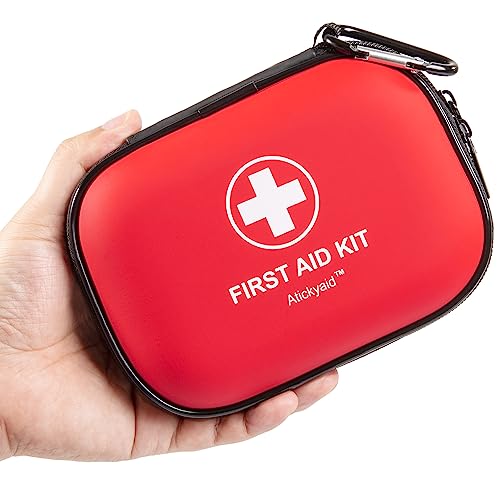
- 120-piece supply count for broader coverage
- Waterproof EVA hard shell adds protection
- Compact enough to pack or hang on a backpack
Best For: Backpackers who want a tougher case and more supplies
Ultralight Summit Kit
Adventure Medical Kits Mountain Series Backpacker Medical Kit
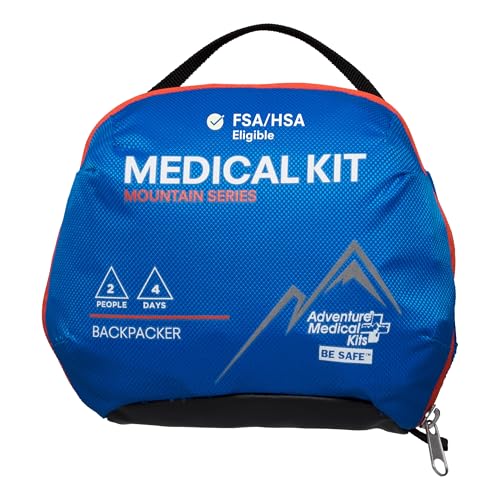
- For 2 adventurers up to 4 days
- Easy Care pockets in water-resistant bag
- Trauma pad and wilderness guide included
Best For: Backpackers needing organized wilderness coverage for short trips
Compact Travel Case
Protect Life Travel First Aid Kit

- 100-piece compact emergency kit
- Waterproof hard case with emergency blanket
- Lightweight and backpack-friendly
Best For: Hikers and travelers wanting a small, protective general-use kit
Traillight Hiker Kit
Adventure Medical Kits Mountain Series Hiker Medical Kit

- Lightest at 7.2 ounces
- Built for 2 people for 2 days
- Includes trauma pad and first aid guide
Best For: Solo hikers or pairs on short trips who want the lightest wilderness kit
Waterproof Everyday Pick

- 66-piece kit for common minor injuries
- Waterproof rip-stop pouch for better protection
- Compact and lightweight for travel or hiking
Best For: Backpackers who want a compact waterproof kit with broad basics
Ultralight Trail Favorite

- 6.7 oz with a very small packed size
- 50 supplies plus a Mylar emergency blanket
- Carabiner makes it easy to attach to a pack
Best For: Backpackers and hikers who want the lightest practical carry
Feature-Rich Compact Pick
RHINO RESCUE EVA First Aid Kit

- 130-piece kit with guide included
- Water-resistant EVA shell and zipper
- Lay-flat opening for faster organization
Best For: Backpackers who want a compact, well-organized kit with more supplies
Ultralight waterproof minimalist kit – Adventure Medical Kit .5
If you want an ultralight first aid kit for backpacking that disappears into a side pocket, this Adventure Medical Kit .5 is built for short trips where every ounce matters. It includes wound care, blister care, and basic medications in a waterproof DryFlex system, making it a practical pick for day hikes or 1-2 person overnighters.
Best For: Solo backpackers or pairs on short hiking, biking, or climbing trips who want a compact waterproof kit.
Pros:
- Very light at 3.52 ounces and sized to fit easily in a pack pocket
- Waterproof DryFlex inner bag helps keep supplies dry in wet conditions
- Includes blister essentials, bandages, gauze, antiseptic wipes, and ointment
- Designed for up to 2 people for up to 2 days
Cons:
- Contents are geared toward short trips, not extended backcountry travel
- Smaller supply list than larger multi-day kits
This is a strong minimalist option if you value low weight and weather protection over a larger inventory. It focuses on the basics most backpackers need most often, without adding much bulk.
Budget compact tin kit – Coleman All Purpose Mini Kit
This compact tin is a simple, budget-friendly choice if you need a small first aid kit for backpacking without extra bulk. It focuses on common essentials like bandages, antiseptic wipes, antibiotic ointment, and sting relief, which makes it useful for quick trail-side care.
Best For: Backpackers who want a low-cost, ultra-compact backup kit for quick access to basic supplies.
Pros:
- Very small and easy to stash in a backpack or emergency pocket
- Crush-proof metal tin adds durability for travel
- Includes latex-free bandages, ointment, wipes, butterfly bandages, and safety pins
- Affordable option for simple preparedness
Cons:
- Only 27 pieces, so it is more limited than larger trail kits
- Not waterproof, since it uses a metal tin rather than a sealed dry bag
This kit makes sense if you want a compact backup or a very small everyday carry first aid tin. It is not as feature-rich as a purpose-built waterproof backpacking kit, but it covers the basics at a low cost.
Expanded ultralight trail kit – Adventure Medical Kit .7
For an ultralight first aid kit for backpacking with a little more coverage, this Adventure Medical Kit .7 adds more pieces while staying pack-friendly. It is aimed at up to 3 people for up to 3 days, and the waterproof DryFlex storage helps keep supplies protected on the trail.
Best For: Backpacking groups or solo hikers who want more supplies than a micro kit without giving up a compact, waterproof design.
Pros:
- Still lightweight at 5.92 ounces
- Waterproof DryFlex inner bag plus water-resistant outer bag
- Includes bandages, gauze, medications, moleskin, tick remover forceps, and more
- Designed for up to 3 people for up to 3 days
Cons:
- Heavier and larger than the .5 version
- More than you may need for very short solo outings
This kit is a good middle ground if you want something still compact but better suited to longer or slightly larger trips. It keeps the same waterproof, low-bulk approach while expanding the contents for more situations.
Rugged high-count trail kit – 120-Piece Waterproof EVA Kit
If you want a backpacking first aid kit with a larger supply count and a rugged case, this 120-piece EVA kit offers a different approach from soft ultralight pouches. It is compact enough to carry in a pack and uses a waterproof hard shell to help protect the contents during outdoor use.
Best For: Backpackers who prefer a sturdy waterproof case and a fuller supply list over the lightest possible carry.
Pros:
- 120-piece kit offers a broader mix of emergency supplies
- Waterproof EVA hard shell helps protect items inside
- Compact enough to fit in a backpack and can be hung on it
- Includes bandages, gauze, scissors, adhesive tape, and more
Cons:
- Heavier and bulkier than the ultralight pouch-style kits
- Not as pack-pocket friendly as the smallest backpacking kits
This is a practical choice if your priority is organization, durability, and a bigger assortment of supplies. It is less minimal than a true ultralight kit, but it gives you more material for varied emergencies.
Ultralight Summit Kit – Adventure Medical Kits Mountain Series Backpacker Medical Kit
If you want an ultralight first aid kit for backpacking without giving up core wilderness coverage, this Mountain Series Backpacker kit is built for that balance. It’s designed for up to 2 adventurers for up to 4 days, and the Easy Care organization system helps you find supplies fast when you actually need them on trail.
Best For: Backpackers who want a compact, organized kit for short multi-day trips and remote outings.
Pros:
- Built for up to 2 adventurers for up to 4 days, which suits short backpacking trips well.
- Water-resistant bag with clearly labeled pockets makes supplies easier to access.
- Includes trauma pad and elastic bandage for more serious wound care.
- Comes with a wilderness first aid book for field reference.
Cons:
- At 13.4 ounces, it is not the lightest option in this group.
- Better matched to planned trips than minimalist solo carry.
This is a strong middle ground for backpackers who want a purpose-built wilderness kit with better organization than a generic travel box. It leans practical and expedition-minded rather than ultra-minimal.
Compact Travel Case – Protect Life Travel First Aid Kit
This ultralight first aid kit for backpacking is a good fit if you want a compact, general-purpose emergency kit that also works on the trail. It packs 100 pieces into a waterproof hard case, and the small size makes it easy to stow in a backpack without taking much room.
Best For: Hikers and travelers who want a lightweight, compact kit with a hard protective case.
Pros:
- 100-piece kit covers common cuts, scrapes, burns, sprains, and outdoor incidents.
- Waterproof hard case helps protect supplies from moisture and dirt.
- Compact, lightweight design fits easily in backpacks and luggage.
- Includes an emergency blanket and doctor-written first aid guide.
Cons:
- It is a broad travel kit, not a wilderness-specific backpacking system.
- Case style may be less flexible than a soft pouch for tight pack layouts.
For backpackers who prioritize portability and all-around emergency readiness, this is an easy-to-pack option. It makes more sense as a versatile travel-and-trail kit than a specialized backcountry medical setup.
Traillight Hiker Kit – Adventure Medical Kits Mountain Series Hiker Medical Kit
For a truly ultralight first aid kit for backpacking, this Hiker version is the leanest of the three. It is designed for up to 2 people for up to 2 days and weighs just 7.2 ounces, making it a smart choice when every ounce matters on shorter wilderness trips.
Best For: Solo hikers or pairs who want the lightest wilderness-focused kit here for short outings.
Pros:
- Weighs only 7.2 ounces, which is the lightest option in this roundup.
- Made for 2 people for 2 days, keeping the kit focused and compact.
- Easy Care organization system helps you locate supplies quickly.
- Includes trauma pad, medicine, and a wilderness first aid book.
Cons:
- Shortest capacity of the three, so it is best for shorter trips.
- Less generous than the Backpacker kit for longer outings.
If your main goal is to keep pack weight down while still carrying wilderness-specific basics, this is the most streamlined pick. It’s the best match for short backpacking trips where a lighter kit beats a larger supply load.
Waterproof Everyday Pick – Thrive Mini First Aid Kit
If you want an ultralight first aid kit for backpacking that still feels versatile, the Thrive Mini First Aid Kit is a simple, compact option. It uses a waterproof rip-stop pouch and packs 66 pieces into a small format, making it easy to stash in a pack, day bag, or travel setup without much added bulk.
Best For: Backpackers who want a compact, waterproof kit with a broad mix of everyday basics.
Pros:
- 66-piece set gives you a solid range of essentials for minor injuries.
- Waterproof construction adds confidence in wet or damp conditions.
- Compact, lightweight pouch is easy to carry on hikes and trips.
- Includes basics like bandages, antiseptic wipes, safety pins, and scissors.
Cons:
- At 3.99 ounces, it is compact but not the lightest option here.
- Designed as a general-use kit, so it is less specialized for ultraminimal packing.
Overall, this is a practical pick if you want dependable coverage and weather resistance in a small package. It leans more toward all-around convenience than stripped-down minimalism, which can be a plus for many backpackers.
Ultralight Trail Favorite – EVERLIT Micro Med Kit
For shoppers looking for an ultralight first aid kit for backpacking, the EVERLIT Micro Med Kit stands out for its small footprint and 6.7-ounce weight. The rip-stop nylon build, water-resistant protection, and included carabiner make it easy to pack, clip on, and keep close at hand on the trail.
Best For: Backpackers and hikers who prioritize minimum weight and fast pack access.
Pros:
- Very compact at 5″ x 4.5″ x 1″ and only 6.7 oz.
- Includes 50 medical supplies for cuts, scrapes, burns, and minor wounds.
- Carabiner lets you attach it to your pack for quick access.
- Mylar emergency blanket adds useful cold-weather backup.
Cons:
- Smaller supply count than larger general-purpose kits.
- Best suited to basic trail care rather than a fuller emergency loadout.
This kit makes sense when weight savings matter most and you still want core first aid coverage. It is a strong balance of portability and essentials for backpacking, cycling, and other outdoor trips.
Feature-Rich Compact Pick – RHINO RESCUE EVA First Aid Kit
If you want an ultralight first aid kit for backpacking but do not want to give up coverage, the RHINO RESCUE EVA First Aid Kit offers a lot in a small, water-resistant case. With 130 pieces, a CPR and first aid guide, and a lay-flat opening, it is built for organized access on the trail or during travel.
Best For: Backpackers who want a compact, organized kit with a large supply count.
Pros:
- 130-piece assortment covers cuts, scrapes, burns, sprains, and blister prevention.
- Water-resistant EVA shell and zipper help protect supplies from the elements.
- Double-way zippers and curved opening improve visibility and access.
- Includes a CPR and first aid guide for quick reference.
Cons:
- At 630 g, it is much heavier than the other compact kits here.
- Better for users who value organization and coverage over minimal weight.
This is the most fully stocked option in the group, so it works well if you want a compact kit with more complete coverage. It is not the lightest choice, but it is strong on organization and overall readiness.
How We Picked the Best Ultralight First Aid Kit for Backpacking
We looked for kits that make sense for real backpacking use: low pack weight, compact storage, weather-resistant packaging, and a useful mix of first aid basics. For an Ultralight First Aid Kit for Backpacking, we also prioritized kits that cover common trail problems like blisters, scrapes, minor cuts, and adhesive bandage needs without extra bulk.
Quick Comparison
Think of these kits in three broad groups: ultra-compact essentials for solo hikers, mid-size kits for weekend trips or two people, and more complete kits for group travel or hikers who want extra supplies. The right choice depends less on the largest piece count and more on how much space you can spare and how many people you need to cover.
Key Buying Factors for an Ultralight First Aid Kit for Backpacking
Weight and Packed Size
For backpacking, small packed dimensions often matter more than the total number of items. Look for slim, pouch-style or hard-shell kits that can fit in a side pocket, hip belt pouch, or top compartment.
Trauma Versus Everyday Care
Most backpackers need more blister care, bandages, antiseptic wipes, and tape than large trauma supplies. If you hike in remote terrain, consider a kit with a few extras for wound management, but avoid oversized kits built mainly for car or home use.
Organization and Access
A well-organized kit is easier to use under stress. Internal sleeves, labeled compartments, and color-coded layouts help you find supplies quickly when you need them most.
Durability and Weather Resistance
Backpacking kits should stand up to rain, sweat, and rough handling. Water-resistant fabric, sealed zippers, or hard cases are useful features when you are carrying gear through changing conditions.
Group Size and Trip Length
Match the kit to your typical outing. Solo day hikers can often get by with a smaller ultralight kit, while two-person or weekend trips usually benefit from a slightly larger option with more bandages and wound-care supplies.
Who Should Buy Which Ultralight First Aid Kit for Backpacking?
If you want the lightest possible setup, choose a minimalist kit for solo hikes and short trips. If you backpack with a partner, a small two-person kit is usually the better balance of weight and coverage. If you guide trips, hike with family, or want more redundancy, step up to a more complete compact kit with extra dressing materials and blister care. The best Ultralight First Aid Kit for Backpacking is the one you will actually carry every time, not the one with the highest item count.