Starting rucking is easier when your gear fits well, carries weight securely, and feels comfortable over longer walks. The right setup can make beginner training more manageable and more consistent.
Below, we’ve focused on options that suit first-time ruckers, from dedicated weighted backpacks to adjustable vests and compatible training plates.
Best 10 Weighted Backpack for Rucking Beginners Picks for 2026
Ruck-Ready Tactical Pack
RuckBuddy 25L Weighted Rucking Backpack

- High-and-tight internal plate sleeve
- Removable padded hip belt for heavier loads
- 25L capacity with grab handles and MOLLE
Best For: Beginners wanting a dedicated rucking pack with support features
All-In-One Starter Set

- Includes a 10 lb plate and starter accessories
- Side-loading system helps prevent shifting
- Padded straps and breathable back panel
Best For: First-time ruckers who want a complete kit with weight included
Walk-and-Train Vest
Poudee Adjustable Weighted Vest

- Even iron-sand weight distribution
- Adjustable fit for walking and workouts
- Reflective stripe for outdoor visibility
Best For: Beginners wanting a vest for walking and mixed training
Ruck-Ready Plate Carrier
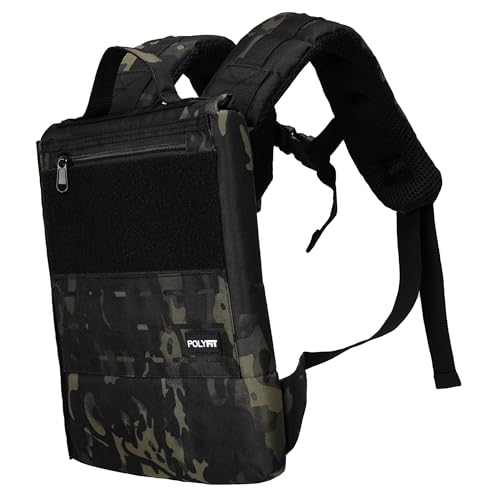
- Side-loading design locks plates in place
- Supports up to 40 lbs with compatible plates
- Padded straps and breathable back panel
Best For: Beginners who want a dedicated plate-based rucking backpack
Simple Load Plate
Yes4All Cast Iron Rucking Weight

- Multiple weight options from 10 to 45 lb
- Rounded edges help protect your bag
- Dual handles make it easier to carry
Best For: Beginners using an existing backpack and wanting a simple plate weight
Easy Progression Vest
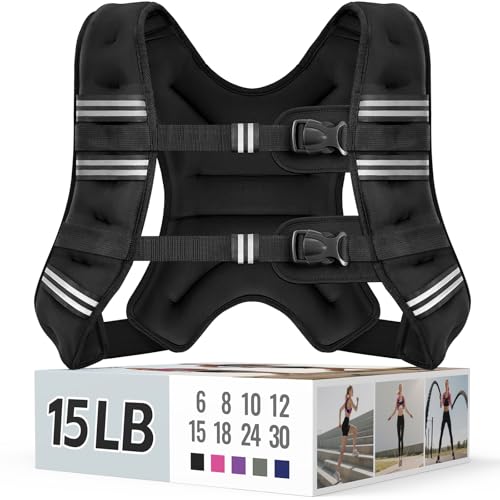
- Weight options from 6 lb to 30 lb
- Adjustable fit with buckle and elastic band
- Reflective stripe and padded shoulders
Best For: Beginners who want a snug weighted carry for walking or training
Cast-Iron Starter Plate
Yes4All Attachable Rucking Weight for Backpack

- 20 lb cast-iron plate with durable one-piece build
- Rounded edges help protect your backpack interior
- Dual strap slots support stacking more plates
Best For: Beginners starting with a simple plate-style ruck load
Secure Plate Carrier
Polyfit PL8 Backpack for Olympic Weight Plates
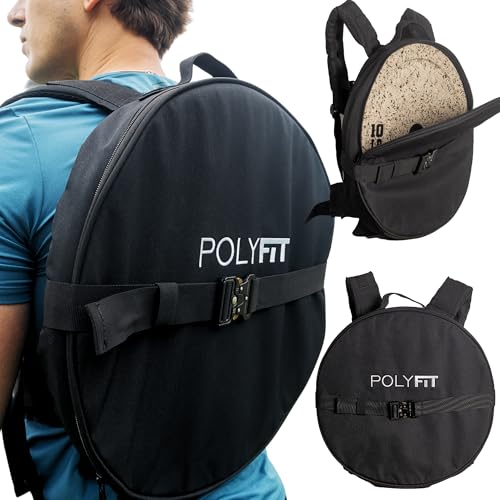
- Dual-lock system helps prevent bounce during rucks
- St sternum and waist straps add stability and posture support
- Built for Olympic plates up to the stated size limits
Best For: Beginners with Olympic plates who want a secure carrier
Adjustable Starter Load
Sportneer Adjustable Weighted Vest Weights

- Adjustable weight range from 2 to 18 lb
- Front and back placement helps distribute load evenly
- Double locks at shoulders and waist improve security
Best For: Beginners who want a lighter, adjustable training load
Ruck-Ready Tactical Pack – RuckBuddy 25L Weighted Rucking Backpack
If you want a weighted backpack for rucking beginners that feels purpose-built from day one, the RuckBuddy is a strong training-first option. It uses reinforced internal weight pockets to keep plates high and tight, while the padded straps and back panel help make loaded walks feel more controlled and comfortable.
Best For: Beginners who want a dedicated rucking pack with supportive carry features and room for extra training or travel gear.
Pros:
- Reinforced internal sleeve keeps weight positioned high for better posture and comfort.
- Removable padded hip belt helps distribute heavier loads on longer rucks.
- Extra-padded shoulder straps and back panel improve comfort under load.
- 25L capacity and grab handles add versatility beyond rucking.
Cons:
- Weight plates are sold separately, so you still need to buy your load.
- May be more pack than you need if you only want a simple walk-around starter setup.
Overall, this is a practical choice if you want a real rucking pack rather than a general backpack. The added support features make it easier to start with controlled weight and build up gradually.
All-In-One Starter Set – Polyfit Rucking Starter Kit
This weighted backpack for rucking beginners stands out because it arrives as a complete starter kit, including a 10 lb weight plate and support accessories. The backpack is built to keep the load close to your upper back, with a side-loading system designed to lock the plate in place and reduce shifting while you move.
Best For: First-time ruckers who want a ready-to-use kit with weight included and a simple path to starting training.
Pros:
- Includes a 10 lb rucking plate, so you can start without sourcing extra gear.
- Side-loading design and internal buckle system help keep weight secure.
- Designed to keep load high on the back for better posture and less forward lean.
- Padded straps and breathable back panel support longer sessions.
Cons:
- One-size-fits-most sizing may feel snug on XL+ or taller frames.
- Compact design may feel less spacious than a larger training backpack.
For beginners, the biggest advantage here is convenience: load the included plate and start rucking. It’s a straightforward option if you want support, simplicity, and a pack designed specifically around weighted walking.
Walk-and-Train Vest – Poudee Adjustable Weighted Vest
If you’re comparing a weighted backpack for rucking beginners against a vest-style option, this Poudee model is more of a crossover training tool than a true ruck pack. It uses evenly filled iron sand for balanced resistance and adjustable straps for a snug fit during walking, running, hiking, or bodyweight workouts.
Best For: Beginners who want a simple adjustable weighted vest for walking and mixed training instead of a backpack-style ruck setup.
Pros:
- Even weight distribution from iron sand helps keep the load balanced.
- Adjustable straps make fit easier across different workouts.
- Reflective stripe adds visibility for outdoor sessions.
- Works for walking, hiking, running, and bodyweight training.
Cons:
- Not a backpack, so it won’t replicate a dedicated rucking setup.
- Less room for carrying gear than a ruck-style pack.
This is a good fit if you want resistance for cardio and general training, but it is not the closest match for traditional rucking. For users focused on backpack-style loading and carry comfort, a dedicated ruck pack will be a better comparison.
Everyday Tactical Carry – Wotony 25L Tactical Backpack
This backpack can handle daily carry, gym trips, and outdoor use, but it is not a purpose-built weighted backpack for rucking beginners. Its strong point is organization: multiple pockets, a laptop compartment, MOLLE webbing, and water-resistant 900D fabric make it a versatile pack for people who want one bag for many jobs.
Best For: Buyers who want a durable, organized tactical backpack for gym, travel, and everyday carry rather than a dedicated ruck setup.
Pros:
- Fully opening main compartment and multiple pockets improve organization.
- Water-resistant 900D fabric adds durability for daily use.
- MOLLE webbing provides attachment points for extra accessories.
- 25L size works well for commuting, travel, and gym carry.
Cons:
- Not designed around rucking weight plates or high-and-tight load placement.
- Includes laptop storage features that are less relevant for ruck training.
As a general tactical backpack, this is useful and durable, but it does not offer the rucking-specific structure beginners typically need. If your main goal is weighted walking, a dedicated ruck pack will be the better fit.
Ruck-Ready Plate Carrier – Polyfit Rucking Backpack 2.0
If you want a weighted backpack for rucking beginners that is built around plates instead of loose gear, this Polyfit pack is a focused option. Its side-loading layout keeps the load close to your upper back, which can help reduce forward lean and make walks or short rucks feel more controlled.
Best For: Beginners who want a dedicated rucking backpack for plate-based training and a snug, low-profile carry.
Pros:
- Designed specifically for rucking weight plates with a secure internal buckle system
- Holds up to 40 lbs and fits plates up to 10 x 12 inches
- Padded straps and a breathable back panel add comfort on longer rucks
- Compact, low-profile build supports range of motion
Cons:
- Weight plates are sold separately
- Fit may feel snug on XL+ or tall frames
This is a practical pick if you want a purpose-built rucking pack rather than a general backpack with weight added inside. The tradeoff is that it works best when you already have compatible plates and prefer a closer, more fitted carry.
Simple Load Plate – Yes4All Cast Iron Rucking Weight
If you are building a weighted backpack for rucking beginners, a simple cast iron plate like this one gives you an easy way to add load without a bulky setup. The rounded edges and dual handles are meant to make insertion, removal, and transport more manageable.
Best For: Beginners who already have a backpack and want a straightforward, plate-style weight for walking or rucking.
Pros:
- Available in multiple weight options from 10 to 45 lb
- Rounded edges help reduce wear on the bag interior
- Dual ergonomic handles make handling easier outside the backpack
- Black-coated cast iron build is made for repeated use
Cons:
- Weight plate is sold as a single piece
- No backpack included
- Cast iron feel may be less comfortable than soft-loaded options
This is the most flexible choice if you want to add a known amount of weight to an existing pack. It is especially useful for beginners who want a simple way to start light and increase load over time.
Easy Progression Vest – Zeerun Weighted Vest
For anyone comparing a weighted backpack for rucking beginners against a vest-style option, this Zeerun model offers an easier, body-hugging fit. It uses neoprene, adjustable buckles, and thickened shoulder pads to keep the load close without the shifting you can get from a loose pack.
Best For: Beginners who want a snug, adjustable weighted carry for walking, running, or strength training.
Pros:
- Multiple weight options from 6 lb to 30 lb support gradual progression
- Adjustable buckle and elastic band help create a close fit
- Thickened shoulder pads and weight distribution reduce pressure and shaking
- Reflective stripe adds visibility for outdoor use
Cons:
- It is a vest, not a backpack
- May not suit users who specifically want plate-based rucking gear
This is a good alternative if you want a beginner-friendly weighted carry that feels stable on the body. It is less about packing gear and more about keeping the load tight and comfortable during movement.
Cast-Iron Starter Plate – Yes4All Attachable Rucking Weight for Backpack
If you want a weighted backpack for rucking beginners that feels simple and rugged, this attachable cast-iron plate is a straightforward place to start. The 20 lb design is built to sit neatly in a backpack, with rounded edges to reduce wear and dual strap slots so you can stack more weight later as your training progresses.
Best For: Beginners who want a simple, durable ruck weight they can grow into over time.
Pros:
- Solid one-piece cast-iron construction for long-lasting use
- Rounded edges help protect the backpack interior and nearby gear
- Dual strap slots support stacking multiple plates with straps
- Ergonomic handles make it easier to insert, remove, and carry
Cons:
- Weight is fixed at 20 lb, so it is less flexible than adjustable options
- Requires a backpack setup that can accommodate a plate-style load
Overall, this is a practical pick if you want a basic plate-style ruck weight with easy handling and a durable build. It is especially useful if you expect to increase load gradually without replacing the core training weight.
Secure Plate Carrier – Polyfit PL8 Backpack for Olympic Weight Plates
For a weighted backpack for rucking beginners who already have Olympic plates, this carrier is designed to keep the load stable and close to the body. It uses a dual-lock system, sternum and waist straps, and a compression-style fit to reduce bounce during rucking, walking, or basic gym work.
Best For: Beginners who already own Olympic plates and want a secure, bounce-free carrier.
Pros:
- Compatible with most 2-inch Olympic plates up to the stated size limits
- Dual-lock system helps keep plates secure and bounce-free
- Sternum and waist straps improve stability and posture
- Durable 600D polyester build with water-resistant coating
Cons:
- Olympic plates are not included
- Maximum recommended load is 45 lb, so it is not for very heavy setups
- Designed specifically for plate use, not general storage
This is a strong option if you want a purpose-built plate carrier instead of a loose backpack setup. Its secure fit and support straps make it a confident entry point for beginners who want to ruck with gym plates.
Adjustable Starter Load – Sportneer Adjustable Weighted Vest Weights
If you are looking for a weighted backpack for rucking beginners but want more control over starting load, this adjustable weighted vest is a flexible alternative. It lets you dial weight between 2 and 18 lb, with evenly distributed front and back packs plus double locks at the shoulders and waist for a more secure fit.
Best For: Beginners who want a lighter, adjustable load with easy weight progression.
Pros:
- Adjustable from 2 to 18 lb for gradual progression
- Front and back weight placement helps distribute load evenly
- Shoulder and waist double locks improve fit and security
- Removable weight packs make cleaning easier
Cons:
- It is a vest, not a backpack, so it may not match a classic rucking setup
- Recommended use is limited to no more than 2 hours
- Requires manual strap adjustment for the best fit
For beginners who want a smaller step into loaded walking and training, this vest offers the most adjustability of the three options. It is a good fit if your priority is comfort, easy weight changes, and a secure, body-hugging carry.
How We Picked the Best Weighted Backpack for Rucking Beginners
For a Weighted Backpack for Rucking Beginners, we prioritized simple loading, stable carry, comfortable straps, and practical starting weight options. We also looked for durability, useful storage, and designs that reduce shifting during walking or light training.
Because beginners often need room to progress, we gave extra attention to products that make it easy to start light and increase load gradually without forcing a complicated setup.
Quick Comparison
Not every product in this roundup serves the same purpose. Some are true rucking backpacks with plate pockets, some are starter kits that include a pack and weight, and others are adjustable weighted vests that may work better for walking-focused training. Training plates and attachable weights are best for buyers who already have a compatible bag.
Key Buying Factors for Weighted Backpack for Rucking Beginners
Fit and Stability
A beginner-friendly ruck should sit snugly against your back without excessive bouncing. Look for padded shoulder straps, sternum support, and ideally a hip belt if you plan to carry weight for longer periods.
Starting Weight and Progression
New users should start conservatively. A lighter, adjustable system is usually better than jumping straight to a heavy load. The best setup lets you add weight in small steps as your conditioning improves.
Load Type and Compatibility
Plate-style loading is common because it keeps weight close to the body and more stable than loose items. If you already own plates, make sure the backpack or plate carrier is compatible with the size and shape you have.
Comfort and Breathability
Since rucking often means longer walks, comfort matters more than raw capacity. Padded straps, breathable back panels, and a sensible torso fit can make a big difference in whether you keep using the gear.
Durability and Materials
Look for strong fabric, reinforced stitching, and hardware that can handle repeated use. Water resistance is a bonus if you train outdoors in changing weather.
Who Should Buy Which Weighted Backpack for Rucking Beginners?
If you want the simplest entry point, choose a starter kit or a dedicated ruck backpack that includes or supports easy plate loading. If comfort and adjustability matter most, an adjustable weighted vest may be a better option for walking-based conditioning.
If you already have training plates or want a more customizable setup, a plate-compatible pack or attachable weight system makes sense. For most beginners, the best choice is the one that feels secure, starts light, and supports steady progression.