Cold weather can make an otherwise enjoyable run uncomfortable, especially when wind reaches your ears and heat escapes through your head. The right winter running hat should provide dependable warmth without feeling bulky, trapping excess sweat, or interfering with headphones, glasses, helmets, or ponytails.
We selected 10 running hats for winter across several useful designs, from low-profile thermal skull caps and merino beanies to ear warmers and reflective options. The guide below explains which features matter most and how to choose the best fit for your training conditions.
Best 10 Running Hats for Winter Picks for 2026
Lightweight Fleece Pick

- Soft fleece covers the ears
- Lightweight 42g design
- Stretchy, windproof fit
Best For: Light winter runs and active outdoor use
Merino Warmth Pick
SmartWool Thermal Merino Beanie

- 100% Merino wool fabric
- Double-layer winter warmth
- Clean seams suit helmet use
Best For: Cold-weather runs and wool-focused outdoor layering
Helmet-Friendly Safety Pick

- Fleece ear covers for extra warmth
- Glasses slots support eyewear
- Reflective signage for low-light use
Best For: Helmeted runs, cycling, and outdoor work
Packable Merino Pick
Minus33 100% Merino Cuff Beanie

- Soft, breathable Merino wool
- Lightweight and helmet compatible
- Machine washable and dryable
Best For: Versatile runs across fall, winter, and spring
Lightweight Performance Pick

- Breathable polyester-spandex stretch fabric
- Moisture-wicking design for active use
- Low-profile option for helmet layering
Best For: Runners wanting a lightweight, versatile cap
Thermal Helmet-Liner Pick
Tough Headwear Thermal Skull Cap

- Extended ear coverage for 10–40°F conditions
- Brushed thermal lining without bulky volume
- Moisture-wicking, helmet-friendly stretch fit
Best For: Cold-weather runners and cyclists needing added ear warmth
Warm Ear Coverage
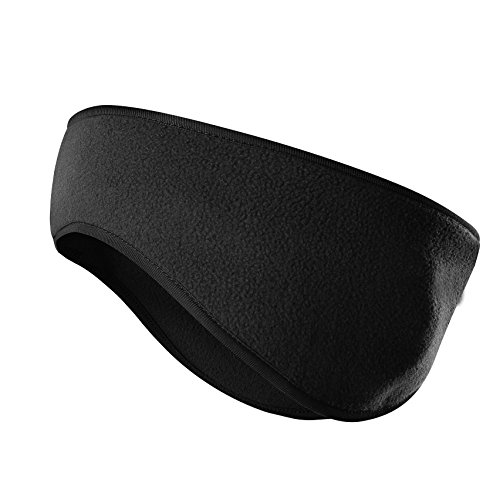
- Soft fleece helps warm exposed ears
- Stretchy circular design stays in place
- Thin enough to wear under helmets
Best For: Cold-weather runners and cyclists who need lightweight ear protection
Helmet-Ready Warmth
Tough Headwear Thermal Skull Cap

- Thin thermal layer fits under helmets
- Brushed lining warms head and ears
- Moisture-wicking fabric supports active use
Best For: Cold-weather runners and riders who wear helmets
Packable Performance
Micro-Fleece Running Skull Cap

- Double-layer fleece warms ears and forehead
- Sweat-wicking and breathable for active use
- Under 40 grams and machine washable
Best For: Runners wanting a lightweight, packable cap for winter training
Lightweight Fleece Pick – HASAGEI Thermal Running Hat
For runners who want lightweight coverage, the HASAGEI Thermal Running Hat is a practical choice among running hats for winter. Its fleece construction covers the ears, adds wind protection, and includes stretch for a close athletic fit without excessive bulk.
Best For: Winter running, walking, cycling, and other outdoor activities where a light, fitted hat is useful.
Pros:
- Soft fleece helps keep the head and ears warm.
- Lightweight 42-gram design fits easily in a pocket or pack.
- Stretchy, skin-friendly fabric offers a secure fitted feel.
- Breathes on warmer days while providing wind protection.
Cons:
- Not waterproof or water resistant.
- Hand-wash-only care may be less convenient.
This is a strong everyday option when you want warmth and wind protection without a thick winter hat. Its fitted profile also makes it suitable for use under some helmets.
Merino Warmth Pick – SmartWool Thermal Merino Beanie
SmartWool Merino Sport 250 Beanie - Cuffed Wool Hat Charcoal Charcoal 1FM Mens
Check Price On AmazonThe SmartWool Thermal Merino Reversible Cuffed Beanie brings naturally temperature-regulating wool to the running hats for winter category. Its double-layer construction is designed for cold-weather comfort, while the clean-finish seams help reduce bulk under helmets or hoods.
Best For: Cold-weather runners and outdoor users who prefer merino wool, reversible styling, and substantial insulation.
Pros:
- Made from 100% Merino wool with moisture-moving and odor-resistant properties.
- Double-layer interlock knit provides added warmth and structure.
- Clean-finish seams help create a comfortable under-helmet fit.
- Cuffed, reversible design offers versatile coverage.
Cons:
- Heavyweight construction may feel warmer than needed for mild runs.
- Low fabric stretch may provide a less flexible fit.
Choose this beanie when insulation and wool performance matter more than minimal bulk. The cuff and reversible construction make it adaptable, but it is best suited to genuinely cold conditions.
Helmet-Friendly Safety Pick – MELASA Winter Helmet Liner
MELASA Fleece Lined Winter Cycling Beanie with Holes for Glasses - For Men, Women
Check Price On AmazonThe MELASA Winter Helmet Liner is one of the more specialized running hats for winter, combining fleece ear covers with a low-profile design for helmet use. Glasses slots, reflective signage, and a stretchy fit make it especially practical for runners and cyclists who train outdoors in cold conditions.
Best For: Runners and cyclists who wear helmets or glasses and need extended ear coverage in cold weather.
Pros:
- Extended fleece ear covers add warmth and wind protection.
- Glasses slots help keep riding or professional eyewear in place.
- Thinner head area and flat seams are designed for under-helmet comfort.
- Reflective signage can improve visibility during nighttime outdoor use.
Cons:
- Not waterproof or water resistant.
- Its 22.4–24.4-inch stated fit range may not suit every head size.
This liner stands out for equipment compatibility rather than casual styling. If you run with glasses or a helmet, its ear-focused insulation and low-profile construction address common winter comfort issues.
Packable Merino Pick – Minus33 100% Merino Cuff Beanie
The 100% Merino Wool Cuff Beanie is a lightweight, packable option for runners comparing running hats for winter across multiple seasons. Its double fabric adds warmth, while merino wool helps manage moisture and continues to insulate when damp.
Best For: Runners who want a compact, versatile merino beanie that can also fit under a helmet.
Pros:
- Soft 100% 18.5-micron Merino wool provides comfort and breathability.
- Lightweight 68-gram design is easy to pack.
- Double fabric adds warmth without making the hat bulky.
- Machine washable and dryable according to the supplied notes.
Cons:
- One-size fit may not work equally well for every wearer.
- The 17–25-inch stated head range may be limiting outside that range.
This beanie is a versatile choice for runners who move between fall, winter, and spring conditions. Its packability and helmet compatibility make it useful as a backup layer or everyday trail accessory.
Lightweight Performance Pick – New Balance Skull Cap Beanie
For runners who want a low-profile option, this New Balance skull cap is a practical choice among running hats for winter layering. Its lightweight polyester-spandex fabric offers breathable stretch, moisture-wicking comfort, and a fitted design that can also work under a helmet.
Best For: Runners seeking a lightweight, versatile cap for workouts and layering under helmets.
Pros:
- Lightweight 86% polyester and 14% spandex fabric provides breathable stretch.
- Moisture-wicking construction helps manage sweat during active wear.
- Fitted 3D stretch design adapts to the head and stays low profile.
- Can be worn alone or as a helmet liner for cycling, skiing, and other sports.
Cons:
- Lightweight construction may offer less warmth than a thermal fleece hat.
- One-size-fits-most sizing provides less adjustability.
- Care is limited to spot or wipe cleaning.
This is a sensible all-purpose pick when breathability, stretch, and easy layering matter more than maximum cold-weather insulation.
Reflective Ponytail Pick – GADIEMKENSD Winter Fleece Hat
This GADIEMKENSD winter hat adds practical coverage for cold-weather runs while accommodating a ponytail or braid. The fleece fabric, pull-down ear warmer, and reflective accents make it one of the more feature-focused running hats for winter, particularly for women running in low light.
Best For: Women who want ponytail compatibility, adjustable ear coverage, and added visibility for winter exercise.
Pros:
- Pull-down fleece ear protection covers the ears and neck in colder conditions.
- Reflective stitching and a reflective brim accent can improve low-light visibility.
- Ponytail opening works with most ponytails and braids, especially high ponytails.
- Stretch fleece and an elastic sweatband accommodate a 21 5/8–22 3/4-inch head size.
Cons:
- Designed around a women’s fit and may not suit every head shape.
- Not waterproof or water resistant.
- Hand-wash-only care is less convenient.
The standout feature is its flexible ear coverage: wear the warmer down for more protection or flip it up as your body warms. Reflective details add useful visibility, but this remains a lightweight fleece cap rather than a waterproof shell.
Thermal Helmet-Liner Pick – Tough Headwear Thermal Skull Cap
The Tough Headwear Thermal Skull Cap is built for chilly runs and rides, with extended ear coverage and a brushed thermal lining. As running hats for winter go, it is especially useful when you need warmth without the bulk of a thick beanie or want a thin layer beneath a helmet.
Best For: Cold-weather runners and cyclists who need lightweight thermal warmth and helmet-compatible coverage.
Pros:
- Extended ear coverage helps shield exposed skin in 10–40°F weather.
- Brushed thermal lining adds warmth without a bulky feel.
- Moisture-wicking fabric helps manage sweat during longer workouts.
- Four-way stretch and flatlock stitching support a close, comfortable fit.
Cons:
- It is not water resistant despite the listed waterproof attribute.
- UPF 15 offers limited sun protection compared with dedicated sun hats.
- Hand-wash-only care requires extra maintenance.
This is the strongest cold-weather option of the three for runners prioritizing ear warmth and a thin helmet liner. Its lightweight stretch construction also makes it easy to pack when temperatures rise.
Warm Ear Coverage – JOEYOUNG Fleece Ear Warmer
If you want running hats for winter but mainly need protection from cold wind around your ears, the JOEYOUNG fleece ear warmer is a practical alternative. Its soft, stretchy, single-layer fleece design is intended to stay in place during running and other active use while remaining thin enough to wear under a helmet.
Best For: Runners, cyclists, skiers, and families seeking lightweight ear coverage for cold-weather activities.
Pros:
- Soft fleece and polyester construction helps keep ears warm.
- Circular, elastic design is intended to stay in place during exercise.
- Moderate thickness can fit under a helmet without feeling heavy.
- Stretchy fit is designed for men, women, and children over age seven.
Cons:
- It covers the ears rather than providing full head coverage like a winter hat.
- Single-layer fleece may offer less insulation than a thicker beanie in severe cold.
- It is not described as moisture-wicking or water resistant.
This is a focused cold-weather accessory rather than a traditional running hat. Choose it when ear warmth, low bulk, and compatibility with helmets matter most.
Helmet-Ready Warmth – Tough Headwear Thermal Skull Cap
The Tough Headwear skull cap is a strong option for shoppers comparing running hats for winter with helmet compatibility in mind. Its lightweight, fitted construction adds a thin thermal layer, while brushed lining, wind resistance, and moisture-wicking fabric support comfort during cool-weather runs and rides.
Best For: Runners, cyclists, motorcyclists, and workers who need a low-bulk winter cap beneath a helmet or hard hat.
Pros:
- Lightweight design adds warmth without the bulk of a thick beanie.
- Brushed thermal lining helps retain heat around the head and ears.
- Moisture-wicking fabric helps move sweat away and dries quickly.
- Flatlock seams are designed to reduce rubbing and pressure lines.
Cons:
- It is not waterproof or water resistant.
- Fitted skull-cap styling may provide less coverage than a full winter hat.
- Hand-wash care may be less convenient than machine washing.
With its stretch fit and low profile, this cap is suited to active users who want warmth under headgear without excessive bulk. It is less suitable if rain protection is a priority.
Packable Performance – Micro-Fleece Running Skull Cap
For runners seeking running hats for winter that are lightweight and easy to carry, this micro-fleece skull cap emphasizes warmth, sweat control, and packability. Its double-layer fleece helps insulate the forehead and ears, while the stretchy low-profile design is intended for use beneath cycling, ski, and work helmets.
Best For: Active adults who want a lightweight, sweat-wicking winter cap for running, hiking, commuting, or helmet use.
Pros:
- Double-layer fleece helps retain warmth around the forehead and ears.
- Moisture-wicking, breathable fabric supports intense winter activity.
- Under-40-gram design folds to pocket size for easy carrying.
- Flatlock stitching and machine-washable care suit frequent use.
Cons:
- It is not waterproof or water resistant.
- Low-profile coverage may not replace a thicker hat in extreme cold.
- Its athletic fitted style may not suit shoppers wanting a relaxed beanie.
This cap stands out for combining thermal fleece with a very packable, helmet-friendly profile. It is a practical choice for runners who alternate between warm-up, high-output activity, and commuting.
How We Picked These Running Hats for Winter
We focused on features that matter during cold-weather runs: insulation, coverage, moisture management, comfort, fit, and compatibility with common gear. The selection includes thermal fleece, merino wool, lightweight moisture-wicking fabrics, helmet liners, ear-covering headbands, and a reflective ponytail design.
We also considered versatility. Some runners need a thin cap that fits beneath a cycling or motorcycle helmet, while others want more warmth for slow winter miles. Options with glasses slots, reversible construction, ponytail openings, or reflective details were included because these practical features can make a hat more useful in everyday training.
Product names and specifications can vary by seller, so check the current size chart, material details, and care instructions before ordering.
Quick Comparison
| Best For | Recommended Style | What to Look For |
|---|---|---|
| Cold, windy runs | Thermal skull cap or fleece beanie | Ear coverage, wind resistance, secure fit |
| High-output workouts | Lightweight running cap | Breathable, sweat-wicking fabric |
| Helmet users | Thin helmet liner | Low bulk and smooth seams |
| Glasses wearers | Glasses-slot liner | Reduced pressure around the temples |
| Long hair or ponytails | Ponytail winter hat | Rear opening and adjustable coverage |
| Low-light running | Reflective hat or ear warmer | Reflective accents and secure visibility |
Key Buying Factors for Running Hats for Winter
Warmth and Coverage
Choose insulation based on temperature, wind, and workout intensity. Fleece-lined hats and wool beanies generally provide more warmth, while thin skull caps work better for mild conditions or hard efforts. Full ear coverage is especially valuable in exposed, windy areas.
Moisture Management
A warm hat should not leave sweat against your skin. For intervals, tempo runs, or warmer winter days, prioritize lightweight synthetic fabrics that dry quickly. Merino wool can offer warmth and odor resistance while remaining comfortable across changing conditions.
Fit, Seams, and Bulk
A secure stretch fit prevents slipping, but excessive pressure can cause discomfort over a long run. Look for flat seams and a profile that works with sunglasses, headphones, or a helmet. If you plan to layer a hat beneath headgear, avoid thick cuffs and oversized pom-poms.
Visibility and Practical Details
Reflective accents can improve visibility but should supplement, not replace, lights and reflective outerwear. Features such as glasses slots, reversible designs, ponytail openings, and fold-down ear flaps can make a winter hat more convenient for specific routines.
Who Should Buy Which Running Hats for Winter?
Choose a thermal skull cap if you want a close-fitting, versatile layer for running, cycling, or wearing under a helmet. Select a merino or thicker cuffed beanie when maximum warmth and natural-fiber comfort matter more than compactness. A lightweight micro-fleece or performance skull cap is a better match for sweaty workouts and moderate cold.
Runners with long hair should consider a ponytail-specific hat, while glasses wearers may prefer a liner designed with slots or reduced pressure points. If your ears get cold quickly, an ear-warmer headband can provide targeted coverage without the full warmth of a beanie. Finally, runners who train before sunrise or after dark should favor reflective detailing while still using appropriate visibility gear.