The best running backpacks make it easier to carry water, a phone, keys, nutrition, and extra layers without slowing you down. The right design should feel stable and comfortable while keeping essentials accessible.
This roundup compares 10 hydration packs and running vests with different capacities, bottle configurations, storage layouts, and visibility features so you can choose a setup that matches your routes and training goals.
Best 10 Running Backpacks Picks for 2026
Best Lightweight Hydration Pack

- 8.5-ounce pack with 2L bladder
- Adjustable, breathable fit
- Multiple storage compartments
Best For: Longer runs, hikes, and cycling
Best Bounce-Control Running Vest
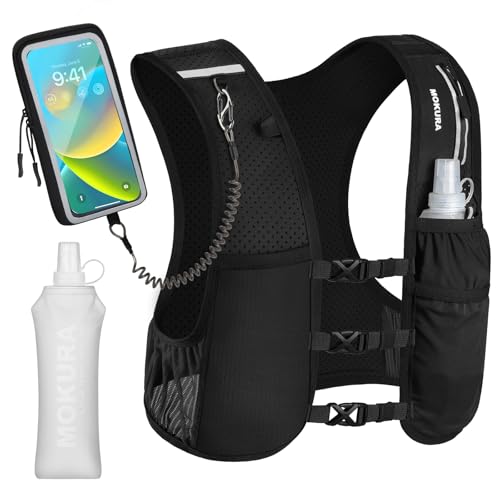
- 9.6-ounce breathable design
- Includes a 500ml soft flask
- Reflective accents and phone holder
Best For: Training runs and marathon preparation
Best Compact 2L Running Backpack
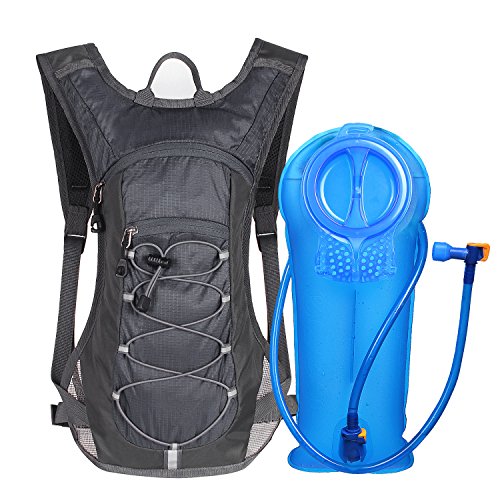
- 2L replaceable BPA bladder
- Chest and waist straps reduce bounce
- Compact splash-resistant nylon design
Best For: Running, cycling, and short outdoor outings
Best Minimalist Running Chest Pack
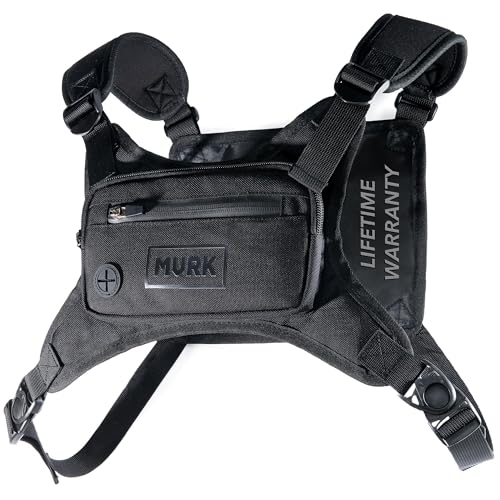
- Ultra-light 22.68-gram design
- Three zippered storage compartments
- Reflective, adjustable chest-pack fit
Best For: Short runs with phone and key storage
Best Hydration Capacity

- Includes a 2L BPA-free water bladder
- Insulated pocket helps keep water cold
- Five pockets provide generous storage
Best For: Long runs, hikes, and bike rides requiring extra water and gear
Best Lightweight Everyday Vest
SWIFTVEST Running Hydration Vest
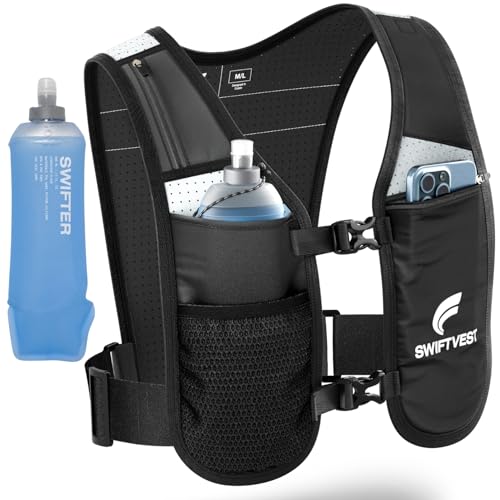
- Includes a 500ml compressible soft flask
- Six pockets organize running essentials
- Reflective and water-resistant features add practicality
Best For: Daily runs and marathon training with light hydration needs
Most Feature-Rich
Zelvot 2L Running Hydration Vest

- 2L BPA- and PVC-free bladder
- Three waterproof front pockets plus back storage
- Adjustable, reflective, breathable design
Best For: Long runs and outdoor activities requiring organized storage
Lightest Pick
INOXTO 1.5L Running Hydration Vest

- Ultralight 140-gram design
- 1.5L bladder with side bottle pockets
- Compact, adjustable, reflective vest
Best For: Shorter runs and athletes prioritizing minimal weight
Best Lightweight Hydration Pack – 12L Running Backpack
For runners who want substantial hydration without a bulky feel, this 12-liter running backpack combines an included 2-liter bladder with an 8.5-ounce design. Its adjustable fit and breathable back panel make it a practical choice for longer runs, hikes, and cycling outings.
Best For: Runners and outdoor athletes who need 2-liter hydration plus room for small essentials.
Pros:
- Very lightweight 8.5-ounce construction with a 12-liter capacity.
- Includes a BPA-free, food-grade 2-liter bladder with a leakproof bite valve.
- Adjustable shoulder and chest straps help customize the fit.
- Multiple pockets accommodate keys, a phone, small gear, and a water bottle.
Cons:
- The supplied details list only two pockets, while the description references several storage areas.
- It offers more capacity than runners seeking a minimalist vest may need.
This is a versatile running backpack for carrying hydration and extras on longer outings. The breathable air-mesh back and adjustable straps add comfort, while the nylon fabric is described as waterproof and tear-resistant.
Best Bounce-Control Running Vest – 500ml Hydration Vest
This lightweight running vest is designed for runners who prioritize a close, stable fit. It weighs 9.6 ounces, includes a 500ml soft flask, and combines stretch waist panels with adjustable chest straps to help limit bounce during training.
Best For: Road runners and marathon trainees who want compact hydration, phone access, and reflective details.
Pros:
- Lightweight neoprene-and-mesh construction promotes airflow.
- Includes a 500ml BPA- and PVC-free soft flask with a high-flow bite valve.
- Five pockets provide dedicated space for a phone, gels, keys, and small gear.
- Reflective accents on the front and back improve low-light visibility.
Cons:
- The 500ml capacity is smaller than that of 2-liter hydration backpacks.
- The vest’s close-fitting design may be less suitable for carrying bulky layers.
Choose this model when stability and quick access matter more than maximum storage. Its phone holder, front pockets, rear mesh pocket, and adjustable straps make it well suited to organized training runs.
Best Compact 2L Running Backpack – Unigear Hydration Pack
For runners who want a compact hydration pack with a secure, aerodynamic profile, the Unigear running backpack includes a 2-liter bladder and adjustable shoulder, chest, and waist straps. Its splash-resistant nylon construction is suited to running, cycling, and hiking.
Best For: Runners and cyclists who need 2 liters of water with minimal wind drag and limited storage.
Pros:
- Compact 16.5-inch design with an aerodynamic profile.
- Includes a replaceable 2-liter BPA bladder with a screw cap.
- Chest and waist straps help reduce bouncing during movement.
- Lightweight splash-resistant nylon helps protect contents in light rain.
Cons:
- The listed weight is 1.1 pounds, making it heavier than ultralight vest-style options.
- Storage is limited to a small front stash pocket.
- The product is described as splash resistant rather than fully waterproof.
This pack is a practical match for fast-paced activities where hydration is the priority. The replaceable bladder and secure multi-strap fit add useful durability and stability, but runners needing space for layers or larger gear should look elsewhere.
Best Minimalist Running Chest Pack – Water-Resistant Phone Holder
This minimalist running pack focuses on carrying essentials rather than water. The 28-cubic-inch Cordura nylon chest pack has three zippered compartments, adjustable straps, neoprene padding, and reflective detailing for runners who mainly need space for a phone, wallet, keys, and cards.
Best For: Minimalist runners who need secure storage for a phone and small personal items.
Pros:
- Lightweight 22.68-gram design with durable Cordura nylon construction.
- Three zippered compartments organize a phone, wallet, cards, and keys.
- Water-resistant material helps handle damp conditions.
- Reflective print and adjustable straps support nighttime visibility and fit.
Cons:
- It does not include a hydration bladder or water bottle.
- The 28-cubic-inch storage volume is too limited for bulky gear.
- It is designed as a chest pack rather than a full-size running backpack.
Pick this option for short runs when a hydration system is unnecessary and secure phone storage is the main concern. Its compact profile, padded contact points, and water-resistant Cordura nylon keep the setup simple.
Best Hydration Capacity – MIYCOO 2L Hydration Backpack
For runners who need more water and storage than a slim vest provides, this running backpack combines a 2-liter bladder with a 10-liter pack capacity. Its insulated bladder pocket, mesh straps, and multiple pockets make it practical for longer runs, hikes, and bike rides.
Best For: Long-distance runners and active users who want substantial hydration plus room for layers, snacks, and personal items.
Pros:
- Includes a food-grade, BPA-free 2-liter bladder with a wide, leak-resistant opening.
- Insulated bladder pocket can help keep water cold for up to four hours when used with an ice pack.
- Offers five pockets, including dual shoulder-strap phone pockets and a larger main compartment.
- Breathable mesh shoulder straps and an adjustable ergonomic design help improve comfort.
Cons:
- At 0.67 kg, it is heavier than the lightest running vests.
- The larger 10-liter capacity may feel excessive for short runs.
The MIYCOO is a versatile choice when carrying capacity matters as much as hydration. It is better suited to longer outings and mixed-use adventures than minimalist race-day running.
Best Lightweight Everyday Vest – SWIFTVEST Running Hydration Vest
This running backpack alternative is designed for runners who prefer a close-fitting vest with accessible storage. The SWIFTVEST includes a 500ml soft flask, six pockets, reflective details, and adjustable straps for a secure fit during everyday training.
Best For: Road runners and marathon trainees who need modest hydration, phone protection, and organized storage without a bulky pack.
Pros:
- Comes with a compressible 500ml/17oz soft flask suitable for shorter runs through marathon training.
- Six pockets provide space for a phone, keys, gels, and other running accessories.
- Zippered waterproof phone pocket helps protect a smartphone from wet weather.
- Reflective detailing, quick-dry material, and heat-dissipation zones support visibility and comfort.
Cons:
- The included 500ml capacity is less than that of larger hydration backpacks.
- Its vest-style storage may not accommodate bulky layers or larger gear.
With a 285-gram construction and multiple fit options, the SWIFTVEST is a practical middle ground between a running belt and a full hydration pack. Choose it when easy-access essentials and a snug, low-bounce fit are priorities.
Best Lightweight Trail Fit – IX INOXTO 3L Running Hydration Vest
Built for runners who want a lightweight running backpack with a body-hugging fit, the IX INOXTO uses adjustable chest and waist straps to limit bounce. It combines a 3-liter main capacity with a 1.5L/2L water-bag option, bottle pockets, reflective details, and a safety whistle.
Best For: Trail runners, marathoners, and hikers looking for low-weight hydration and added visibility on longer outings.
Pros:
- Weighs just 190 grams and uses stretch mesh fabric for a lightweight, breathable feel.
- Adjustable chest and waist straps help create a stable, contoured fit.
- Supports a 1.5L/2L water bag and includes shoulder pockets for 250ml PET bottles.
- Reflective elements and an included safety whistle improve preparedness in darker conditions.
Cons:
- The three-month warranty is shorter than the one-year warranties listed for some competing options.
- Its compact dimensions may limit space for bulky clothing or larger gear.
- The water-bag capacity varies between the stated 1.5L and 2L options, so check the included configuration.
The IX INOXTO stands out for runners who prioritize low weight and a secure fit over extensive cargo space. Its bottle pockets and safety features also make it well suited to trail and outdoor routes.
Most Feature-Rich – Zelvot 2L Running Hydration Vest
The Zelvot is a practical choice among running backpacks for runners who want a 2L bladder, organized front storage, and a secure, adjustable fit. Its waterproof 900D Oxford fabric, breathable mesh, and reflective details make it suited to longer runs and outdoor activities.
Best For: Trail runners, marathoners, cyclists, and outdoor users who need hydration plus multiple storage options.
Pros:
- Includes a 2L BPA- and PVC-free bladder with a high-flow bite valve.
- Three waterproof front zippered pockets and two larger back pockets provide useful storage.
- Adjustable shoulder straps and waist belt help limit bounce and shifting.
- Reflective strips and a lightweight, breathable mesh design support low-light visibility and comfort.
Cons:
- At 0.65 kg, it is heavier than the listed 140-gram alternative.
- The included detachable holster may be unnecessary for runners who only carry standard essentials.
Choose this model if storage flexibility and a larger bladder matter more than having the lightest possible pack. Its two-year warranty is another useful consideration for frequent outdoor use.
Best for Versatility – IX INOXTO 2L Hydration Pack
The IX INOXTO stands out among running backpacks for its combination of a 2L bladder, substantial storage, and outdoor-focused features. With eight pockets, reflective trim, breathable mesh, and space for a helmet or trekking poles, it can handle more than short training runs.
Best For: Runners, hikers, cyclists, and adventure athletes who want hydration and room for extra gear.
Pros:
- Includes a 2L bladder with a large fill opening, switch valve, and cover cap for leak resistance.
- Offers multiple pockets, including a quick-access front pocket, plus a helmet organizer.
- Breathable mesh lining and shoulder straps help improve airflow and reduce chafing.
- Reflective trim supports visibility during nighttime activities.
Cons:
- The supplied details list both 12L and 18L capacity, so shoppers should confirm the current specification.
- Its broader outdoor storage may be more than needed for minimalist road runs.
This is a strong all-around option when a running pack also needs to serve as a daypack for hiking, cycling, or climbing. The included two 250ml soft flasks add carrying flexibility.
Lightest Pick – INOXTO 1.5L Running Hydration Vest
For runners prioritizing low weight, this INOXTO vest is one of the more streamlined running backpacks available in this selection. It weighs just 140 grams, carries a 1.5L bladder, and uses front pockets for quick access to a phone, keys, gels, or other small essentials.
Best For: Road runners, cyclists, and hikers who prefer a compact, lightweight hydration setup.
Pros:
- Very light 140-gram construction reduces the load during runs.
- Includes a 1.5L bladder and two side pockets that can hold 250ml PET bottles.
- Adjustable shoulder straps and hip belt help create a stable fit.
- Ventilated mesh and reflective trim support comfort and visibility.
Cons:
- The 1.5L bladder holds less water than the 2L options in this roundup.
- Its four-pocket layout offers less storage than the larger IX INOXTO pack.
- The supplied notes state that it is not intended for children 12 and under.
This vest makes sense for shorter outings or runners who want hydration without a bulky pack. Its compact profile and low wind resistance are particularly suited to road running and cycling.
How We Picked These Running Backpacks
We focused on the features that matter most during movement: hydration capacity, fit adjustability, pocket placement, weight, ventilation, visibility, and practical storage. The selection includes compact running vests for short outings, 2-liter hydration packs for longer runs, and higher-capacity options suited to trail running, hiking, or racing.
We also considered whether each pack appears designed for quick access to phones, soft flasks, keys, gels, and other small essentials. Because comfort is highly personal, adjustable chest straps, flexible construction, and low-bounce designs received particular attention.
Quick Comparison
| Best For | Look For | Typical Capacity |
|---|---|---|
| Short daily runs | Lightweight vest and bottle storage | 500 ml |
| Longer road runs | Bladder, multiple pockets, and reflective details | 1.5–2 L |
| Trail running | Stable fit, gear capacity, and higher water capacity | 2–3 L |
| Minimal carry | Phone holder and compact storage | Small bottle or flask |
Key Buying Factors for Running Backpacks
Hydration Capacity
A 500 ml flask can be enough for short runs or routes with water access. For longer training sessions, a 1.5- to 2-liter bladder reduces refill stops. Trail runners may prefer up to 3 liters, particularly in warm conditions or remote areas, but added capacity usually increases weight.
Fit and Stability
Look for adjustable sternum straps, multiple fit points, and a close-fitting vest shape. A pack should stay secure when you accelerate without restricting breathing or bouncing against your back. Check the sizing guidance carefully, especially when choosing between men’s, women’s, and unisex designs.
Storage and Access
Front-facing pockets make it easier to reach a phone, gels, keys, or a soft flask while moving. A separate phone compartment is useful, while larger rear storage helps carry a light layer, gloves, or basic safety gear.
Weight, Ventilation, and Visibility
Light materials and breathable mesh can improve comfort on warm runs. Reflective details are valuable for early-morning or evening training, although they do not replace a headlamp or other active lighting in low-visibility conditions.
Who Should Buy Which Running Backpacks?
Choose a compact running vest with a 500 ml bottle if you mainly run short distances and want minimal bulk. A 1.5- or 2-liter hydration backpack is a better fit for long road sessions, endurance training, and routes where water is limited. Trail runners, hikers, and racers should prioritize secure adjustment, durable construction, accessible storage, and enough capacity for the expected duration. If carrying a phone is your main concern, a lightweight phone-holder vest may be more comfortable than a full bladder pack.
Before buying, estimate how much water and gear you genuinely carry, then select the smallest pack that accommodates those needs. A properly adjusted, stable pack is generally more useful than a larger model filled with unnecessary weight.