When you’re hiking far from cell service, a reliable beacon can be the difference between a long wait and a fast rescue. The best personal locator beacon for remote hiking should be simple, durable, and ready when it matters most.
We focused on models built for outdoor use, with strong satellite coverage, long battery life, and practical safety features for solo treks, alpine routes, and backcountry travel.
Best 10 Personal Locator Beacon for Remote Hiking Picks for 2026
Premium Global-Ready PLB

- No subscription required
- GPS and Galileo GNSS location support
- LED and infrared strobes for visibility
Best For: Hikers who want a no-fee beacon with global rescue coverage
Simple No-Display PLB

- No display, no-frills design
- Batteries included
- Compact but heavier than some rivals
Best For: Hikers who want a basic emergency beacon with minimal features
Compact Lightweight Beacon

- Just 4 oz and very compact
- One-handed activation
- 7-year battery with 24+ hours of use
Best For: Backpackers who prioritize the smallest possible emergency beacon
Screen-Equipped Hiking PLB
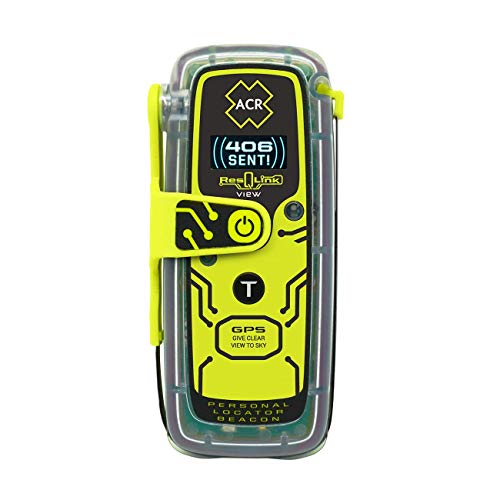
- OLED display for status feedback
- Buoyant with multiple attachment options
- No subscription required for rescue use
Best For: Hikers who want a display-equipped beacon with flexible carry options
Editor’s Pick

- Pre-programmed for US registration
- Easy 3-step emergency activation
- Built for remote, harsh conditions
Best For: Hikers wanting a simple, US-programmed emergency PLB
Premium Safety Upgrade

- RLS confirms distress signal receipt
- Digital display with infrared strobe
- No subscription, 5-year battery life
Best For: Outdoor users wanting a feature-rich PLB with confirmation feedback
Long-Life Choice

- Compact and lightweight for carry
- RLS confirmation plus NFC status check
- 11-year battery lifespan
Best For: Remote hikers wanting a compact beacon with long battery life
RLS-Ready Global Safety

- RLS confirms SOS receipt
- No subscription; 5-year battery
- GPS, Galileo, MEOSAR support
Best For: Remote hikers wanting confirmed, global emergency signaling
Complete Emergency Bundle

- PLB plus rescue accessories
- GPS beacon with bright strobe
- Includes dry bag, whistle, mirror
Best For: Hikers who want a beacon and extra emergency gear
AIS Plus Satellite Alerting

- AIS plus global satellite alerting
- NFC/mobile app for beacon data
- RLS confirmation and no subscription
Best For: Hikers wanting layered alerts and app-based status checks
Premium Global-Ready PLB – ACR ResQLink 400
If you want a personal locator beacon for remote hiking with straightforward, no-fee emergency coverage, the ACR ResQLink 400 is built around fast distress signaling and broad satellite reach. It combines GPS and Galileo GNSS with 406 MHz and 121.5 MHz homing signals, plus LED and infrared strobes for visibility when conditions get worse.
Best For: Hikers who want a subscription-free PLB with global coverage and strong location accuracy.
Pros:
- No subscription required
- GPS and Galileo GNSS for precise position data
- 406 MHz distress signal plus 121.5 MHz homing signal
- LED strobe and infrared strobe for low-light visibility
Cons:
- No display for on-device status readout
- More of a rescue-only beacon than a feature-heavy unit
- Bulky enough to notice at 5.28 ounces
For remote hiking, this model stands out if your priority is dependable emergency signaling and global satellite support without ongoing fees. It focuses on core rescue functions rather than extra user-facing features, which keeps it practical and direct.
Simple No-Display PLB – acr ResQLink 400 No Display
As a personal locator beacon for remote hiking, this no-display version of the ResQLink 400 keeps the concept simple: carry it, activate it in an emergency, and rely on the 406 MHz PLB signal. With no screen or extra interface features called out, it leans toward straightforward emergency use rather than active status checking.
Best For: Hikers who want a basic, no-frills PLB and already know the ResQLink format.
Pros:
- Plain, purpose-built PLB design
- Includes batteries
- Compact product dimensions
- Focuses on core emergency beacon use
Cons:
- No display
- Fewer feature details provided than the higher-end ResQLink models
- Heavier than the compact rescueME option at 10.4 ounces
This is the most stripped-down option in the group, which may appeal if you prefer a beacon with minimal complexity. It is best viewed as a straightforward emergency tool rather than a feature-rich navigation aid.
Compact Lightweight Beacon – rescueME PLB1
For a personal locator beacon for remote hiking where pack space matters, the rescueME PLB1 is built to stay small while still covering the essentials. It offers one-handed operation, a 66-channel GPS receiver, a high-intensity strobe, and waterproofing to 49 feet, making it a strong fit for rough conditions.
Best For: Backpackers and hikers who want the smallest, lightest beacon in this set.
Pros:
- Very compact and just 4 oz
- One-handed operation
- 66-channel GPS receiver with high-intensity strobe
- 7-year battery and more than 24 hours of operation
Cons:
- No display or screen features mentioned
- Waterproof rating is given in feet rather than a broader coverage spec
- Designed for emergency use only, with no subscription-free extras beyond rescue signaling
If you want a beacon that disappears into a backpack until needed, this one is easy to justify. Its main appeal is the balance of compact size, long battery life, and simple emergency activation.
Screen-Equipped Hiking PLB – ACR ResQLink View
If you want a personal locator beacon for remote hiking with a little more feedback than a basic rescue unit, the ACR ResQLink View adds an OLED display while keeping the core rescue features intact. It sends 406 MHz distress alerts with GPS position, includes 121.5 MHz homing, and adds LED plus infrared strobes for visibility.
Best For: Hikers who want a buoyant PLB with a built-in display and broad wearability options.
Pros:
- OLED display for added status feedback
- No subscription required for distress use
- Buoyant design with multiple attachment clips and straps
- LED and infrared strobe signals
Cons:
- Heavier than the compact rescueME PLB1 at 5.28 ounces
- Optional testing subscription is separate from rescue use
- More complex than a bare-bones beacon if you only want simple activation
This is a strong middle-ground choice for hikers who like the reassurance of a visible screen and flexible mounting options. It keeps the rescue fundamentals first while adding convenience for setup and wearability.
Editor’s Pick – McMurdo FastFind 220
If you want a personal locator beacon for remote hiking that’s built around straightforward emergency use, the McMurdo FastFind 220 is a simple, purpose-driven option. It’s pre-programmed for US registration, works worldwide, and is designed to activate quickly when you’re in grave and imminent danger.
Best For: Hikers who want a straightforward, US-programmed PLB for remote travel and emergency-only use.
Pros:
- Pre-programmed for US registration, with worldwide functionality
- Simple activation: deploy the antenna, pull the seal, and press ON
- Designed for remote locations and harsh conditions
- Includes pouch for carrying
Cons:
- US registration is the default configuration
- Must be used only in grave and imminent danger situations
- False alerts can cause serious disruption and penalties
Overall, this is a no-frills beacon aimed at hikers who value proven emergency signaling over extra features. If you’re comfortable with the US programming and want a simple PLB for true emergencies, it fits the brief well.
Premium Safety Upgrade – ACR ResQLink View RLS
The ACR ResQLink View RLS is a strong choice if you want a personal locator beacon for remote hiking with added confirmation that your distress signal was received. It combines GPS, Galileo GNSS, and MEOSAR compatibility with a digital display and infrared strobe, while keeping things subscription-free.
Best For: Hikers and other outdoor users who want a feature-rich PLB with Return Link Service confirmation.
Pros:
- Return Link Service confirms the signal was received
- Digital display and infrared strobe improve emergency visibility
- GPS, Galileo GNSS, and MEOSAR support for global coverage
- No subscription required, with 5-year battery life
Cons:
- More advanced than a basic beacon, which may be more than some users need
- At 5.28 ounces, it is not the lightest option here
- Designed for emergency use only, not routine tracking
For hikers who want a more informative and confidence-building beacon, this model stands out. The RLS feedback and clear display make it especially appealing if you want extra reassurance when you’re far from help.
Long-Life Choice – Jotron Tron SA20 PLB
The Jotron Tron SA20 is a compact personal locator beacon for remote hiking that focuses on long service life and modern status-check features. It’s programmed for US registration, supports worldwide 406/121.5 MHz emergency signaling, and includes Return Link Service plus NFC smartphone readout.
Best For: Hikers who want a compact PLB with long battery life and easy status checking.
Pros:
- Compact, lightweight design for outdoor carry
- Return Link Service provides distress-signal confirmation
- NFC connectivity enables smartphone status readout
- 11-year battery lifespan for long-term reliability
Cons:
- US registration listing may not suit international buyers
- Separate listing needed outside the US
- Primarily an emergency device rather than a multitool style tracker
This is a compelling pick if battery longevity and compactness matter most on the trail. For remote hikers who want a beacon that’s easy to carry and simple to check, the SA20 is well aligned.
RLS-Ready Global Safety – ResQLink 410
If you want a personal locator beacon for remote hiking, the ACR ResQLink 410 RLS is built for fast, straightforward emergency signaling with global satellite coverage. It combines GPS, Galileo GNSS, and MEOSAR compatibility with Return Link Service, so you get confirmation that your distress signal was received.
Best For: Hikers who want a lightweight, no-subscription PLB with reception confirmation and broad global coverage.
Pros:
- Return Link Service confirms your SOS has been received.
- No subscription required, with a 5-year battery life and 24+ hours of operation.
- GPS, Galileo GNSS, and MEOSAR support help provide accurate global positioning.
- Built-in buoyancy, strobe, infrared strobe, and multifunction clip improve emergency readiness.
Cons:
- Focused on emergency signaling rather than extra navigation features.
- Best attachment flexibility depends on the included clip system and straps.
For remote hikers who want a compact beacon with strong coverage and reassuring confirmation of rescue receipt, this model is a practical safety-first pick. Its lightweight build and long service life make it easy to carry on deeper backcountry trips.
Complete Emergency Bundle – ResQLink 400 Survival Kit
This personal locator beacon for remote hiking pairs the ACR ResQLink 400 with a full survival kit, so you can cover signaling and basic rescue visibility in one package. It adds a rescue strobe light, whistle, signal mirror, and dry bag alongside the GPS-enabled beacon.
Best For: Hikers who want a compact beacon plus a ready-made emergency accessories kit.
Pros:
- Includes the ResQLink 400 PLB with GPS precision and bright strobe signaling.
- Survival kit adds a rescue light, whistle, signal mirror, and dry bag.
- Compact, lightweight kit is easy to pack for emergency preparedness.
- 5-year warranty supports long-term ownership.
Cons:
- Bulkier than a standalone beacon because it includes multiple accessories.
- Accessories help with signaling, but they don’t replace satellite distress alerting.
If you want more than just a beacon, this bundle is a practical way to build a small emergency kit around the PLB. It is especially appealing for hikers who like having backup signaling tools in the same package.
AIS Plus Satellite Alerting – ResQLink AIS PLB
For a personal locator beacon for remote hiking that adds multiple layers of alerting, the ACR RESQLINK AIS PLB combines global satellite distress signaling with local AIS broadcasting. It also includes RLS confirmation, NFC access to beacon data, and both 406 MHz and 121.5 MHz signals for broader emergency coverage.
Best For: Hikers who want a feature-rich beacon with satellite, AIS, and app-based status access.
Pros:
- AIS distress alerts can be received by nearby vessels with AIS equipment.
- RLS confirms your SOS has been received by Search and Rescue.
- NFC and mobile access make it easy to review battery life, tests, and GNSS info.
- No subscription required, with a compact design and 5-year battery life.
Cons:
- AIS alerting is mainly useful where nearby AIS receivers are present.
- More feature-rich than a basic PLB, which may be more than some hikers need.
This model stands out if you want extra visibility beyond standard satellite distress signaling. For remote hikers who value app-based checks and layered emergency transmission, it offers a very capable safety package.
How We Picked the Best Personal Locator Beacon for Remote Hiking
For a Personal Locator Beacon for Remote Hiking, the most important factors are straightforward: worldwide 406 MHz distress signaling, rugged waterproof construction, long battery life, and ease of use in an emergency. We also favored units with GPS, because location accuracy can speed up rescue response.
Quick Comparison
In this roundup, the lighter compact models are best for minimalist hikers, while display-equipped and return-link models add confirmation and status visibility. Buoyant designs make more sense for mixed-sport adventurers who also spend time around water, but they are still perfectly usable on trail. If you want the simplest option, basic PLBs are often enough; if you want more feedback, RLS and display features may be worth the extra cost.
Key Buying Factors for a Personal Locator Beacon for Remote Hiking
Battery Life and Activation Window
Look for a battery rated for years in storage and at least 24 hours of emergency operation. A beacon should be ready after long periods in your pack.
GPS and Satellite Coverage
Built-in GPS improves rescue accuracy, and global 406 MHz coverage is important if your hikes take you across borders or into truly remote terrain.
Size, Weight, and Carry Method
Hikers should prioritize compact, lightweight models that are easy to clip to a pack, stash in a pocket, or carry on a harness. If you wear a life jacket on river crossings or paddling trips, secure attachment points matter too.
Return Link Service and Displays
RLS can confirm that your distress signal was received, which adds peace of mind. A digital display helps you check status, but it is not essential for everyone.
Ruggedness and Waterproofing
Remote hiking often means weather, drops, and rough handling. Choose a beacon designed for harsh conditions and one that matches the environments you actually explore.
Who Should Buy Which Personal Locator Beacon for Remote Hiking?
Budget-minded hikers who want a straightforward, proven beacon should look at compact no-frills models. If you want more reassurance, choose a GPS model with a display or RLS. If your adventures blend hiking with boating or wet environments, a buoyant beacon or a unit with stronger accessory options is the better fit. For most buyers, the best Personal Locator Beacon for Remote Hiking is the one that balances simplicity, size, and rescue confidence without adding features you won’t use.