Bug pressure can turn a great hike into a miserable one, especially in tick-heavy or humid trail conditions. The right permethrin treated hiking clothing helps add long-lasting insect defense without changing how your gear performs.
Below, we break down the best options for hikers who want practical protection for socks, shirts, leggings, and treatment sprays.
Best 10 Permethrin Treated Hiking Clothing Picks for 2026
Spray Treatment Pick
Sawyer Premium Permethrin Spray

- Treats clothing and gear for up to 6 weeks or 6 washings.
- Won't stain or damage fabrics, plastics, or outdoor gear.
- Works on shirts, socks, shoes, tents, and more.
Best For: Hikers who want to treat their own clothing and gear
Wearable Sock Choice
Insect Shield Sport Crew Socks
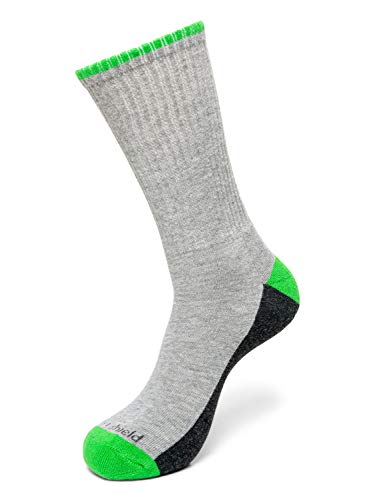
- Built-in insect protection stays in the socks, not on skin.
- EPA-registered and designed to repel multiple pests.
- Cushioned crew sock design for hiking comfort.
Best For: Hikers who want bug-resistant socks with everyday comfort
Bulk Supply Pick
Sawyer Premium Permethrin 2-Pack

- Two-bottle pack gives extra supply for repeated treatments.
- Bonds to fabric for up to 6 weeks or 6 washings.
- Safe for clothing, gear, tents, shoes, and socks.
Best For: Frequent users who need more treatment supply on hand
Wearable Shirt Pick
Insect Shield Women's Tri-Blend Long Sleeve T-Shirt

- Built-in EPA-registered permethrin repellent.
- Lightweight, breathable long-sleeve hiking top.
- Repellency expected to last up to 70 washes.
Best For: Women who want a ready-to-wear bug-resistant hiking shirt
Gear Spray
Repel Permethrin Clothing & Gear Insect Repellent
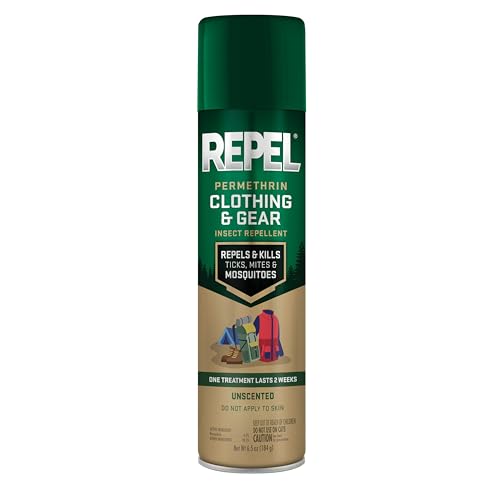
- For clothing and gear, not skin
- Lasts up to two weeks and several washings
- Unscented and made for outdoor gear
Best For: Hikers who want a simple spray for treating clothing and gear together
Legging Layer
Insect Shield Women’s Essential Leggings

- Built-in EPA-registered insect-repellent fabric
- Lightweight, breathable cotton-spandex blend
- Expected to last up to 70 washes
Best For: Women wanting insect-repellent leggings for hiking and casual outdoor wear
Heavy-Duty Spray
Ben’s Clothing & Gear Insect Repellent

- 0.5% permethrin formula for clothing and gear
- Lasts up to six weeks through multiple washes
- Large 24 oz bottle with pump application
Best For: Backpackers and hikers treating lots of clothing and gear at once
Lightweight Bug Defense
Insect Shield Lightweight Hiking Socks

- Built-in permethrin insect protection
- Lightweight, moisture-wicking comfort
- Odorless shield stays on the fabric
Best For: Hikers and travelers who want lightweight, everyday bug defense
Travel-Ready Protection

- Built-in permethrin bug repellency
- 2-pair pack for travel or daily wear
- Comfort cushion with moisture-wicking feel
Best For: Travelers and casual outdoor users wanting everyday insect-repelling socks
Midweight Trail Comfort
Insect Shield Midweight Hiking Socks
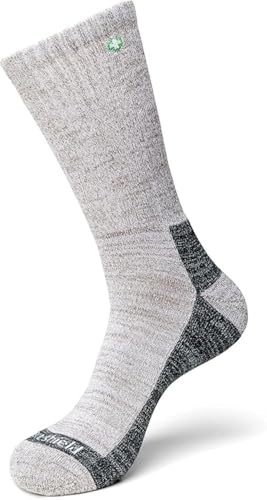
- Built-in permethrin insect protection
- Midweight padding for hiking comfort
- Soft bamboo-blend feel with stretch
Best For: Hikers who want extra cushioning with built-in bug defense
Spray Treatment Pick – Sawyer Premium Permethrin Spray
If you want permethrin treated hiking clothing without buying pretreated apparel, this Sawyer spray lets you add insect protection to shirts, pants, socks, shoes, and gear before a trip. It bonds to fabric fibers, stays effective through sweat and water, and is a practical choice for hiking, camping, hunting, and travel.
Best For: Hikers and backpackers who want to treat their own clothing and gear for ticks and mosquitoes.
Pros:
- Bonds to fabric fibers for up to 6 weeks or through 6 washings.
- Won’t stain or damage clothing, fabrics, plastics, finished surfaces, or outdoor gear.
- Works on shirts, jackets, pants, socks, shoes, boots, sleeping bags, tents, and netting.
- Fragrance free and effective against more than 55 kinds of insects.
Cons:
- Needs to be applied ahead of time rather than worn immediately.
- Effectiveness drops with washing and UV exposure over time.
- Best protection comes from pairing it with a skin repellent like Picaridin.
For hikers who want a flexible way to build insect defense into existing outdoor clothing, this is a straightforward treatment option with broad-use coverage.
Wearable Sock Choice – Insect Shield Sport Crew Socks
Insect Shield Sport Crew Sock, Stretchy and Comfortable Crew Socks with Padding and Tick Protection
Check Price On AmazonFor permethrin treated hiking clothing in a wearable form, these Insect Shield crew socks build bug protection directly into the fabric. They are designed for outdoor use, with built-in cushioning and long-lasting repellency that stays in the socks rather than on your skin.
Best For: Hikers who want comfortable socks with built-in insect and tick protection.
Pros:
- EPA-registered technology repels mosquitoes, ticks, ants, flies, chiggers, and midges.
- Repellency is bonded to the fibers and can last up to 70 washes.
- Built-in cushioning on the foot bed and ankles adds comfort.
- Comfortable cotton-poly blend with stretch for everyday wear.
Cons:
- Protection is limited to socks rather than full hiking outfits.
- Style is basic and focused on function.
- May not replace a full treatment strategy for high-risk trips.
This is a simple add-on if you want insect-repellent coverage where ticks often start, especially around the lower legs and ankles.
Bulk Supply Pick – Sawyer Premium Permethrin 2-Pack
This twin pack is a practical option if you use permethrin treated hiking clothing regularly and want enough spray for multiple outfits. It uses the same fabric-bonding formula for clothing and gear, making it useful for longer trips, group prep, or frequent outdoor seasons.
Best For: Frequent hikers, backpackers, and outdoor users who want extra supply for repeated clothing treatment.
Pros:
- Two 24-ounce spray bottles provide more total treatment capacity.
- Bonds to fabric fibers for up to 6 weeks or through 6 washings.
- Won’t stain or damage clothing, gear, plastics, or finished surfaces.
- Effective on shirts, pants, socks, shoes, boots, tents, and more.
Cons:
- Still requires application and drying before use.
- Repellency fades with washing and UV exposure.
- Bulkier to store than a single bottle.
If you go through treated clothing quickly or outfit multiple hikers, this pack is the more efficient way to keep a steady supply on hand.
Wearable Shirt Pick – Insect Shield Women's Tri-Blend Long Sleeve T-Shirt
If you prefer permethrin treated hiking clothing that you can wear instead of spray yourself, this long-sleeve tee builds insect protection into the fabric. It is lightweight and breathable, making it a useful top for hikes, camping, travel, and everyday outdoor wear.
Best For: Women who want a lightweight long-sleeve hiking shirt with built-in insect repellent.
Pros:
- EPA-registered permethrin repellent is built into the fabric.
- Repels mosquitoes, ticks, ants, flies, chiggers, and midges.
- Lightweight and breathable for active wear.
- Repellency is expected to last up to 70 washes.
Cons:
- Limited to a women’s long-sleeve T-shirt style.
- Not as flexible as treating multiple garments and gear pieces.
- Best used as one layer in a broader bug-protection setup.
This is a good choice if you want one ready-to-wear piece that combines hiking comfort with long-lasting insect protection.
Gear Spray – Repel Permethrin Clothing & Gear Insect Repellent
If you’re building permethrin treated hiking clothing coverage from the outside in, this Repel spray is a straightforward way to treat clothes and gear instead of skin. It is made for clothing, nets, tents, sleeping bags, and backpacks, and it is unscented so it won’t leave a strong repellent smell behind.
Best For: Hikers who want a simple permethrin spray for treating clothing and camping gear together.
Pros:
- Designed for clothing and gear, including nets, tents, sleeping bags, and backpacks
- Lasts up to two weeks and through several machine washings
- Unscented formula
- Repels and kills mosquitoes, ticks, and mites
Cons:
- For clothing and gear only, not skin
- Shorter-lasting than some long-wear treated apparel options
This is a practical pick if you want a spray-on treatment you can apply yourself before a trip. It fits well for hikers who need flexible coverage across multiple items rather than buying pretreated apparel.
Legging Layer – Insect Shield Women’s Essential Leggings
For permethrin treated hiking clothing in an everyday layer, these Insect Shield leggings build insect protection directly into the fabric. They are made from a lightweight, breathable cotton-spandex blend and are meant for outdoor wear, including hiking trips and other warm-weather activities.
Best For: Women who want insect-repellent leggings that work for hiking and casual outdoor wear.
Pros:
- EPA-registered insect-repellent technology built into the fabric
- Comfortable, lightweight, and breathable
- Repels insects such as mosquitoes, ticks, ants, flies, chiggers, and midges
- Expected to last up to 70 washes for apparel
Cons:
- Leggings may not suit hikers looking for a looser fit
- Hand wash care may be less convenient than standard machine-wash basics
These leggings make sense if you prefer built-in protection over spray application and want something wearable beyond the trail. They are a good option when comfort, stretch, and long-lasting repellency all matter.
Heavy-Duty Spray – Ben’s Clothing & Gear Insect Repellent
If you want permethrin treated hiking clothing performance with a larger spray bottle, Ben’s Clothing & Gear Insect Repellent is built for treating apparel and outdoor equipment. Its 0.5% permethrin formula bonds to fibers, and the pump design is aimed at quick, even coverage across clothes and gear.
Best For: Backpackers and hikers who treat lots of clothing and gear at once.
Pros:
- 0.5% permethrin formula bonds to fibers
- Lasts up to six weeks and through multiple washes
- 24 oz size offers lots of coverage for gear and garments
- Ergonomic pump helps with even application
Cons:
- For clothing and gear only, not skin
- Bulkier than smaller spray options
This is the most workhorse-style option in the group if you need to treat multiple items before a trip. It makes the most sense for hikers who prioritize durability and volume over a compact bottle.
Lightweight Bug Defense – Insect Shield Lightweight Hiking Socks
If you’re comparing permethrin treated hiking clothing for warm-weather trail use, these lightweight Insect Shield socks are a simple way to add EPA-registered insect protection without changing your routine. The built-in permethrin is designed to repel mosquitoes, ticks, ants, flies, fleas, chiggers, and midges, while the lightweight polyester blend focuses on breathability and comfort.
Best For: Hikers and travelers who want lightweight, all-day bug protection in a sock that stays comfortable on long outings.
Pros:
- Built-in Insect Shield permethrin repels a wide range of biting insects.
- Lightweight polyester blend with moisture-wicking comfort and a built-in cushion.
- Flat seams and slip-resistant fit help reduce blisters and abrasions.
- Protection is odorless and stays on the fabric, not on the skin.
Cons:
- Lightweight build may not suit hikers who prefer extra padding.
- Sold as a single count, so it may not be the best value for bulk sock shopping.
Overall, this is a practical pick if you want an easy entry point into permethrin treated hiking clothing. It prioritizes comfort and insect defense in a lightweight package that works for hikes, travel, and other outdoor chores.
Travel-Ready Protection – Insect Shield Traveler Socks
For shoppers looking at permethrin treated hiking clothing with a more travel-friendly feel, these Insect Shield Traveler Socks combine insect protection with an everyday crew-sock design. The built-in permethrin is meant to repel mosquitoes, ticks, ants, flies, fleas, chiggers, and midges, and the sock blend adds cotton, polyester, spandex, and rubber for a familiar fit.
Best For: Travelers and casual outdoor users who want insect-repelling socks in a 2-pair pack with everyday comfort.
Pros:
- Built-in permethrin offers EPA-registered repellency against multiple insects.
- 2-pair pack gives you more coverage for trips and frequent wear.
- Comfort cushion, flat seams, and moisture-wicking construction support all-day use.
- Odorless protection stays on the fabric, not the skin.
Cons:
- More casual styling may appeal less to buyers wanting dedicated hiking-specific gear.
- Blend includes cotton, which may feel less technical than all-synthetic options.
This is a solid option if you want a practical sock for travel, walking, and general outdoor use with insect defense built in. It keeps the permethrin treatment invisible while adding a comfortable, everyday feel.
Midweight Trail Comfort – Insect Shield Midweight Hiking Socks
If you want permethrin treated hiking clothing with a little more cushion, these Insect Shield Midweight Hiking Socks are built for trail comfort. They use built-in permethrin to repel mosquitoes, ticks, ants, flies, fleas, chiggers, and midges, while the midweight construction adds a warmer, more padded feel for hiking and other outdoor use.
Best For: Hikers who prefer a midweight sock with extra cushioning and built-in insect protection.
Pros:
- Built-in permethrin provides EPA-registered insect repellency.
- Midweight, padded construction adds comfort for hiking.
- Bamboo, polyester, rubber, and spandex blend aims for a soft, stretchy fit.
- Flat seams and a slip-resistant design help reduce friction and blisters.
Cons:
- Midweight build may be warmer than lightweight socks in hot conditions.
- Less ideal if you want the thinnest, most minimalist hiking sock option.
Compared with lighter options, this sock leans more toward comfort and cushioning without giving up insect defense. It makes sense for hikers who want a balanced choice for trail days, travel, and other outdoor activities.
How We Picked the Best Permethrin Treated Hiking Clothing
We focused on real hiking use: comfort, coverage, durability, and how well each option fits into a trail kit. For Permethrin Treated Hiking Clothing, the most useful products are the ones that balance insect protection with breathability, fit, and easy layering.
We also considered versatility across seasons, since many hikers want one system that can work for day hikes, backpacking, travel, and wet or brushy environments.
Quick Comparison
There are two main paths: buy ready-treated apparel like socks, shirts, and leggings, or treat your own clothing and gear with a permethrin spray. Ready-treated items are convenient and repeatable, while sprays are better if you want to protect a broader set of clothing, packs, or tents.
Socks are often the best starting point because they cover a high-risk area for ticks. Shirts and leggings are useful when you want fuller-body coverage, and spray treatments make sense for hikers building a system around existing gear.
Key Buying Factors for Permethrin Treated Hiking Clothing
Coverage and Exposure
Think about where insects are most likely to reach you. Socks and lower legs matter most for tick country, while long sleeves and leggings help in brush, tall grass, and warmer climates with heavy mosquito activity.
Comfort and Fabric
Permethrin Treated Hiking Clothing should still feel good on the trail. Look for moisture management, stretch, cushioning in socks, and fabrics that match your temperature range. If you overheat, you are less likely to wear the protection consistently.
Treatment Format
Pre-treated clothing is simple and low-effort. Spray treatments are more flexible but require careful application and drying time. Choose based on whether you want convenience or a broader gear-protection setup.
Durability and Re-Treatment
Some treated items are designed for a limited number of washes, while others are built to hold protection longer. Check care instructions so you know when to replace, refresh, or reapply treatment.
Who Should Buy Which Permethrin Treated Hiking Clothing?
If you want the easiest upgrade, start with treated socks. If you hike in dense brush or spend time in tick habitat, add long sleeves or leggings for more coverage. If you already own favorite hiking clothes, a permethrin spray may be the most efficient route.
For most buyers, the best setup is a layered system: treated socks for the highest-risk zone, plus treated shirts or leggings when the conditions call for broader protection. That approach keeps Permethrin Treated Hiking Clothing practical, comfortable, and easy to use on real trails.