The right lifting grips can help you hold onto demanding sets, reduce grip fatigue, and train pulling movements with greater confidence. This roundup compares 10 options across wrist straps, lifting hooks, hand grippers, and forearm tools.
Use the guide below to match grip style, materials, adjustability, and support features to your training goals—whether you prioritize deadlifts, pull-ups, bodybuilding, rehabilitation, or general strength work.
Best 10 Lifting Grips for Strength Training Picks for 2026
Best Overall

- No-slip extended grip for pulling movements
- Built-in arch and wrist support
- Quick-release design with four sizes
Best For: Lifters seeking versatile support for deadlifts, rows, and pull-ups
Best Adjustable Trainer
FitBeast Adjustable Grip Strengthener

- Adjustable 10–132-pound resistance
- Ergonomic non-slip handles
- Compact option for training or rehabilitation
Best For: Progressive hand and forearm strength work away from the bar
Best for Comfort
Versa Gripps FITPRO Wrist Straps

- 20% softer foam for longer sessions
- Extended grip improves bar contact
- Softer webbing helps reduce wrist fatigue
Best For: High-volume training and athletes who prioritize all-day comfort
Best for Grip Strength
IronMind Captains of Crush Gripper
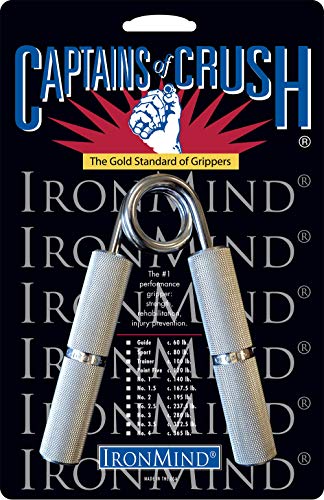
- Progressive resistance across 11 levels
- Knurled aluminum handles and spring steel
- Dedicated tool for serious hand strength
Best For: Focused grip-strength progression for lifters and athletes
Forearm Strength Builder
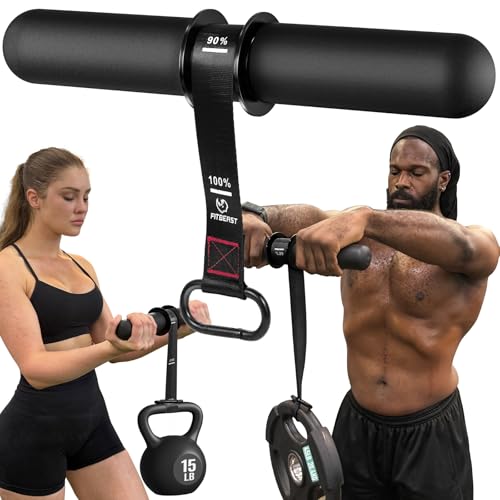
- 25% thicker handles add resistance
- Adjustable strap supports up to 240 pounds
- Includes a 20.4-inch extension strap
Best For: Grip, wrist, and forearm conditioning
Minimal Silicone Coverage
Anti-Slip Silicone Workout Grips

- Textured silicone palm surface
- Fingerless, lightweight design
- Includes a zippered carrying case
Best For: Lightweight palm coverage for dumbbells, barbells, and cables
Best Classic Cotton Straps
Gymreapers Padded Lifting Straps

- 18-inch cotton webbing supports multiple wraps
- Neoprene padding improves wrist comfort
- Designed for heavy pulling and frequent training
Best For: Lifters whose grip fatigues before their back, traps, or lats
Best Leather Hook Straps
Double-Layer Leather Weightlifting Straps

- Double-layer leather supports heavy pulling
- Padded adjustable closure fits 6.3–8-inch wrists
- Designed to help protect hands and reduce wrist pressure
Best For: Lifters who want padded leather straps for heavy pulls
Best Long Cotton Straps
Harbinger NeoTek Padded Straps

- 21.5-inch length supports multiple wraps
- 1.5-inch width increases bar contact
- NeoTek padding and reinforced stitching improve usability
Best For: Lifters wanting versatile cotton straps for heavy and high-rep pulls
Best Overall – Versa Gripps PRO Wrist Straps
For lifters comparing lifting grips for strength training, the Versa Gripps PRO combines a no-slip gripping surface with wrist support and a quick-release design. Its extended grip is intended for deadlifts, rows, and pull-ups, while the four-size range makes accurate wrist measurement important before ordering.
Best For: Lifters who want an all-in-one grip for pulling movements and quick bar release.
Pros:
- No-slip material is designed for strong bar control.
- Built-in arch support helps distribute pressure away from the carpal tunnel and median nerve.
- Extended, double-reinforced grip helps protect palms and maximize bar contact.
- Made in the USA and available in four wrist-based sizes.
Cons:
- Requires careful wrist measurement to select the correct size.
- Its specialized grip design may be more equipment than casual lifters need.
The PRO is a feature-rich choice for heavy pulling sessions, especially if you value palm coverage, wrist support, and the ability to release the bar quickly.
Best Adjustable Trainer – FitBeast Adjustable Grip Strengthener
The FitBeast is a hand grip strengthener rather than a bar-mounted grip, making it a useful addition to a lifting-grip routine. Its adjustable 10–132-pound resistance lets users progress gradually, while the compact design suits home, office, travel, and rehabilitation use.
Best For: Lifters, athletes, and rehabilitation users building hand and forearm strength progressively.
Pros:
- Resistance adjusts from 10 to 132 pounds for multiple fitness levels.
- Extended ergonomic handles are designed to reduce strain and fatigue.
- Textured, non-slip handles and a steel spring support controlled training.
- Compact and portable for workouts or physical-therapy exercises.
Cons:
- It does not provide palm protection or bar assistance during lifts.
- Its plastic construction may feel less specialized than a dedicated metal gripper.
This is a practical choice for developing squeeze strength outside the gym, but it complements rather than replaces lifting grips used directly on barbells or pull-up bars.
Best for Comfort – Versa Gripps FITPRO Wrist Straps
The Versa Gripps FITPRO is designed for high-volume training, with a longer grip for bar control and softer materials for extended wear. For shoppers seeking lifting grips for strength training, it is particularly suited to deadlifts, rows, pull-ups, and lat pulldowns when hand fatigue is a concern.
Best For: Daily lifters and CrossFit athletes who prioritize comfort during longer sessions.
Pros:
- Extended grip length increases bar contact and control.
- 20% softer foam is designed for improved palm comfort.
- Softer webbing spreads pressure more evenly across the hand and wrist.
- Made in the USA with four wrist-based sizes and multiple colorways.
Cons:
- Accurate wrist measurement is needed before choosing a size.
- The lilac color and modern styling may not suit every preference.
The FITPRO stands out for comfort-focused construction and high-volume use, making it a strong alternative to more basic straps when hand and wrist fatigue limit training.
Best for Grip Strength – IronMind Captains of Crush Gripper
Captains of Crush Hand Gripper Trainer - (100 lb.) | The Gold Standard of Grippers, Made in the USA
Check Price On AmazonThe IronMind Captains of Crush is a dedicated hand gripper for building squeeze and hand strength, not a strap for securing a bar. Its knurled aluminum handles, spring technology, and progressive resistance lineup make it a focused option for lifters adding direct grip work to their strength-training plan.
Best For: Serious grip-strength training, athletes, climbers, martial artists, and lifters seeking progressive resistance.
Pros:
- Available in 11 resistance levels for structured progression.
- Knurled aircraft-grade billet aluminum handles provide a secure hold.
- Uses proprietary spring technology and durable construction.
- Made in the USA by IronMind.
Cons:
- This gripper does not assist with holding a bar during deadlifts or rows.
- Each gripper provides one resistance level, so progression may require multiple units.
- The 100-pound model may be demanding for beginners.
Choose the Captains of Crush when your priority is measurable, dedicated hand-strength development rather than palm protection or reduced grip fatigue during a lift.
Heavy-Duty Hook Support – DMoose Weight Lifting Hooks
These DMoose hooks are a strong option when choosing lifting grips for strength training and your grip is the limiting factor on heavy pulls. The pair combines a double-layer leather gripping surface with thick neoprene wrist padding, adjustable hook-and-loop closure, and a stated capacity of up to 480 pounds.
Best For: Deadlifts, rows, shrugs, pull-ups, and lifters who want added wrist cushioning and load support.
Pros:
- Designed to support loads up to 480 pounds.
- Leather surface helps provide traction and control.
- Thick neoprene padding reduces pressure around the wrists.
- Adjustable hook-and-loop closure allows a more secure fit.
Cons:
- Hook-style grips may add bulk compared with simple silicone pads.
- The listed size is Medium, so fit should be checked before purchase.
For heavy pulling sessions, these grips emphasize support and comfort rather than minimal coverage. They are particularly suitable if wrist pressure and slipping are concerns during demanding sets.
Forearm Strength Builder – FitBeast Wrist Roller
The FitBeast wrist roller takes a training-focused approach to lifting grips for strength training by building grip, wrist, and forearm capacity rather than simply assisting a bar hold. It features 25% thicker handles, an adjustable nylon strap rated for up to 240 pounds, and a 20.4-inch extension strap for varied exercises.
Best For: Grip and forearm conditioning, rehabilitation-oriented training, and home, gym, or outdoor workouts.
Pros:
- Thicker handles provide additional resistance for the hands and forearms.
- Adjustable strap supports kettlebells, dumbbells, and weight plates.
- Includes an extension strap for more exercise setups.
- Comes with a stated five-year warranty.
Cons:
- It is an active wrist-roller trainer, not a passive grip aid for barbell sets.
- The strap is rated up to 240 pounds, lower than the capacity listed for some heavy-duty lifting hooks.
This is the most conditioning-oriented choice in the group. Choose it when improving grip endurance and forearm strength is the priority, especially if you want a versatile tool that can also support rehabilitation-focused routines.
Minimal Silicone Coverage – Anti-Slip Silicone Workout Grips
These silicone pads offer a lightweight, low-profile option among lifting grips for strength training. The fingerless pair covers part of the palm, uses a textured surface for dumbbells, barbells, and cable handles, and weighs just 20 grams according to the supplied details.
Best For: Lifters who want simple palm coverage and added surface texture without full workout gloves.
Pros:
- Textured silicone surface is intended to improve contact with common gym handles.
- Fingerless design leaves the fingers and backs of the hands uncovered.
- Very light at a listed 20 grams.
- Includes a zippered carrying case for storage.
Cons:
- The pads add handle thickness, which may change how a grip feels.
- The supplied notes recommend checking the hold with light weights first.
- They provide less wrist support than padded lifting hooks.
These pads suit users who value minimal coverage and easy storage over wrist stabilization. Because the fit and added thickness can affect handling, testing them with lighter weights before heavier work is sensible.
Best Classic Cotton Straps – Gymreapers Padded Lifting Straps
For lifters looking for dependable lifting grips for strength training, these Gymreapers cotton straps offer a straightforward way to reduce grip fatigue on heavy pulling movements. The 18-inch webbing provides room for multiple wraps, while padded neoprene helps improve wrist comfort.
Best For: Deadlifts, rows, shrugs, rack pulls, and other pulling exercises where grip fatigue limits back, trap, or lat training.
Pros:
- 18-inch cotton straps allow multiple wraps around barbells, dumbbells, and cable attachments.
- Padded neoprene wrist sections help reduce digging, pinching, and irritation.
- Reinforced stitching and heavy-duty cotton are designed for regular, demanding gym use.
- Can help shift more of the workload to the target muscles by reducing forearm fatigue.
Cons:
- Straps can reduce the grip challenge, so they are not ideal when the goal is to train grip strength directly.
- The classic cotton design may take more setup than a quick-release grip.
These are a practical choice for lifters who want traditional lifting straps with comfortable wrist padding and enough length for a secure bar wrap. They are especially useful when your hands give out before your pulling muscles.
Best Leather Hook Straps – Double-Layer Leather Weightlifting Straps
These leather lifting grips for strength training combine a double-layer leather strap with a padded, adjustable wrist closure. The design is aimed at heavier pulls while also helping protect the hands from calluses and reducing pressure on the wrists during training.
Best For: Deadlifts, pull-ups, shrugs, barbell rows, and other strength exercises where a padded leather strap and hook-and-loop adjustment are useful.
Pros:
- Double-layer cow suede leather is designed for durability and a non-slip feel.
- Widened neoprene padding and extra ring padding help improve wrist comfort.
- Adjustable hook-and-loop closure fits wrist circumferences from 6.3 to 8 inches.
- Suitable for home, gym, or outdoor workouts and rated in the supplied notes to resist up to 480 pounds without tearing.
Cons:
- The leather strap length is listed as 8.07 inches and may not suit every hand or wrapping preference.
- At 0.5 pounds, this pair is heavier than lightweight cotton strap options.
- The listed wrist fit may be limiting for wrists outside the 6.3-to-8-inch range.
This pair stands out for lifters who prefer leather construction and substantial wrist padding. Check the wrist and palm measurements before buying, especially if you need a more universal fit.
Best Long Cotton Straps – Harbinger NeoTek Padded Straps
For athletes comparing lifting grips for strength training, the Harbinger padded cotton straps offer an extended 21.5-inch length and a 1.5-inch-wide profile. That combination gives you more surface contact and multiple wrapping options for heavy or high-repetition pulling work.
Best For: Deadlifts, rows, shrugs, pull-ups, rack pulls, dumbbell rows, farmer carries, and general weightlifting.
Pros:
- 21.5-inch length allows a stronger, tighter wrap around barbells, dumbbells, and kettlebells.
- Wide 1.5-inch cotton construction increases surface contact and helps reduce slippage.
- NeoTek wrist padding helps minimize friction and discomfort during heavy lifts.
- Reinforced edges and double-stitched seams help resist fraying and repeated loading.
Cons:
- The extra-long design may require more wrapping and adjustment than shorter straps.
- Cotton straps may not provide the same material feel as leather alternatives.
Choose these Harbinger straps if you value a long, wide cotton design for a secure wrap and comfortable wrist contact. They are a versatile option for regular strength training, from heavy deadlifts to high-rep rows.
How We Picked the Best Lifting Grips for Strength Training
We organized these picks by how they support training: wrist straps and hooks for securing a bar, silicone or open-hand grips for added friction, and grip or forearm trainers for building hand and wrist strength. We also considered construction, wrist comfort, adjustability, resistance range, intended exercises, and ease of use.
No single design is ideal for every athlete. A strap that helps on heavy deadlifts may be inconvenient for quick transitions, while a hand gripper develops crush strength but does not replace a secure barbell connection.
Quick Comparison
| Type | Best For | Main Advantage | Potential Limitation |
|---|---|---|---|
| Wrist straps | Deadlifts, rows, shrugs | Improved bar retention | Require setup and practice |
| Lifting hooks | Heavy pulling with limited grip | Fast connection to the bar | Less natural hand contact |
| Open-hand grips | Pull-ups and general lifting | Added friction and palm coverage | Fit and sizing matter |
| Grippers and wrist rollers | Grip and forearm development | Train grip away from the bar | Do not secure a bar during lifts |
Key Buying Factors for Lifting Grips for Strength Training
Choose the Right Connection Style
Traditional straps wrap around the bar and provide a flexible, familiar feel. Hooks can be quicker to position and useful when grip endurance is the limiting factor. Open-hand grips may offer a balance between protection, friction, and natural hand movement.
Check Material and Wrist Comfort
Look for durable nylon, cotton, leather, or silicone suited to your training environment. Padding can reduce pressure during long sessions, while thinner materials may feel less bulky. A secure wrist closure should stay in place without restricting circulation.
Match the Grip to Your Exercises
For deadlifts and heavy rows, prioritize secure bar contact and adequate strap length. For pull-ups, consider whether the design works with a fixed bar and allows quick release. For grip rehabilitation or progressive strengthening, choose an adjustable gripper or wrist roller with a manageable resistance range.
Consider Technique and Safety
Straps and hooks should supplement—not replace—proper lifting technique. Practice attaching and releasing them with light loads first, and avoid using a grip aid that prevents you from safely letting go of a failed repetition.
Who Should Buy Which Lifting Grips for Strength Training?
- Heavy deadlifters and powerlifters: Choose durable wrist straps or leather options for dependable bar retention.
- Bodybuilders and back-training enthusiasts: Padded straps or hooks can help keep pulling volume focused on the target muscles.
- Athletes with grip fatigue: Hooks or supportive straps may reduce the impact of hand fatigue during demanding sets.
- Beginners: Start with comfortable, adjustable straps and learn correct wrapping before progressing to heavier loads.
- Grip-strength trainees: Use an adjustable hand gripper or wrist roller for dedicated forearm work, rather than relying only on lifting straps.
- Users seeking palm protection: Open-hand silicone or anti-slip grips may be preferable when comfort and friction matter more than maximum load support.
The best choice depends on whether you need to hold a bar more securely, protect your hands, or actively build grip strength. Select the simplest design that fits your exercises and training style, then prioritize consistent technique and a secure fit.