Blisters can turn a great hike into a slow, painful grind. The right kit helps you treat hot spots early, protect problem areas, and keep moving.
We compared portable blister kits, pads, and treatment sets designed for trail use, focusing on comfort, durability, and packability.
Best 10 Hiking Blister Treatment Kit Picks for 2026
Trail-Ready Tape Kit
RockTape Blister Prevention and Treatment Kit

- Tape strips for prevention and treatment
- Multiple sizes for hot spots and chafing
- Lightweight kit for hiking packs
Best For: Hikers who want a lightweight tape-based blister kit
Hydrocolloid Shape Variety
Dr. Frederick's Better Blister Bandages

- Heel, toe, and spot pad shapes
- Water-resistant hydrocolloid cushioning
- Latex-free and slim under socks
Best For: Hikers needing targeted blister pads for common foot friction zones
Compact Sports Relief Kit

- Soothing, cooling, flexible protection
- Sterile and compact for travel
- Works for feet and hands
Best For: Active hikers who want a small sterile blister kit
All-Day Variety Pack

- 28 hydrocolloid pads in four shapes
- Water-resistant and latex-free
- Gentle adhesive with no residue
Best For: Hikers who want a larger multi-shape blister pad pack
Portable Pocket Blister Relief
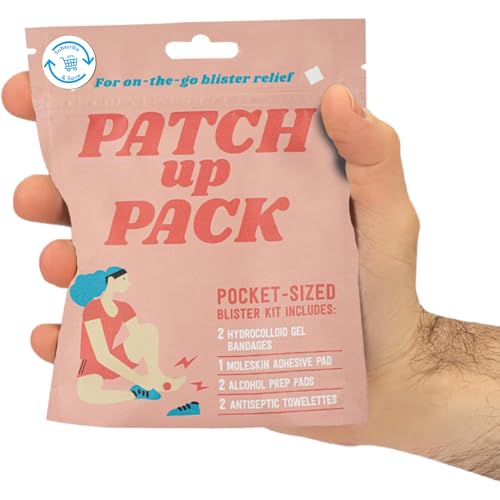
- 7-piece kit with gel bandages, moleskin, and wipes
- Slim resealable pouch fits packs, vests, and carry-ons
- Designed for prevention and treatment on the move
Best For: Hikers and trail runners who want a compact all-in-one kit
Long-Wear Hydrocolloid Relief
Compeed Advanced Blister Care Pads

- Hydrocolloid pads cushion and protect from rubbing
- Mixed sizes fit feet, heels, toes, fingers, and hands
- Adhesion is designed to last up to 7 days
Best For: Hikers who want long-lasting pads with multiple size options
Full-Coverage Foot Protection

- 18-piece kit with sleeves, patches, plasters, and wipes
- Covers heel, toe, and arch blister areas
- Includes a durable pouch with belt and carabiner loop
Best For: Hikers and travelers who want broader foot coverage in a compact kit
Trail-Ready Pain Relief Kit
Dr. Scholl’s 12 ct Hydrogel Blister Kit

- 4% lidocaine helps numb blister pain fast
- Hydrogel bandages cushion and protect irritated skin
- 12-hour relief suits long hiking days
Best For: Hikers who want fast pain relief and cushioning in one kit
Multi-Shape Foot Protection Pack
Arme 50-Piece Hydrocolloid Bandages

- Four shapes target heels, toes, forefoot, and ball of foot
- Waterproof, sweat-resistant design for long hikes
- 50 individually sealed pieces are easy to pack
Best For: Hikers who want versatile prevention and recovery coverage
Compact Pain-Relief Blister Kit
Dr. Scholl’s 8 ct Hydrogel Kit

- 4% lidocaine helps numb blister pain quickly
- Hydrogel bandages cushion and protect feet
- Compact 8-count kit is easy to pack
Best For: Hikers who want a small kit with active pain relief
Trail-Ready Tape Kit – RockTape Blister Prevention and Treatment Kit
If you want a hiking blister treatment kit that can also help prevent hot spots before they start, this RockTape set is built around flexible strip coverage. It is a simple pick for hikers who like to carry tape they can use on blisters, rubbing areas, and chafing without adding much weight to the pack.
Best For: Hikers who want a lightweight tape-based kit for preventing and treating blisters on the move.
Pros:
- Includes multiple strip sizes for different problem areas and shoe rub points.
- Designed for blister prevention, blister treatment, hot spot prevention, and chafing.
- Uses a strong yet gentle adhesive meant for challenging conditions.
- Very lightweight and compact for trail bags or first-aid pouches.
Cons:
- Comes as strips rather than cushioned gel pads.
- Best suited to users who prefer tape-style coverage over hydrocolloid bandages.
This is a practical choice if you want one kit that can handle both prevention and quick on-trail treatment. The mix of strip lengths makes it easier to match the fit to the hotspot instead of forcing one size to do everything.
Hydrocolloid Shape Variety – Dr. Frederick's Better Blister Bandages
For a hiking blister treatment kit that focuses on the most common foot rub zones, this variety pack is built around heel, toe, and spot shapes. The hydrocolloid pads are made to cushion pressure, resist water, and stay in place through long days of walking, sweating, and showering.
Best For: Hikers who want targeted hydrocolloid blister pads in different shapes for heel, toe, and spot hotspots.
Pros:
- Includes heel, toe, and spot shapes so you can match the pad to the rub area.
- Hydrocolloid design cushions pressure and supports a moist healing environment.
- Water-resistant adhesion is meant to last through showers, sweat, and long wear.
- Latex-free and slim enough to wear under socks.
Cons:
- Only 12 bandages in the pack.
- Best for feet rather than broader body-use needs.
This pack stands out if you want a more targeted approach than a one-shape-fits-all blister pad. The shape variety makes it easier to treat specific friction points without improvising on the trail.
Compact Sports Relief Kit – Spenco 2nd Skin Blister Kit
This hiking blister treatment kit is a compact option for people who want instant relief and simple protection in a small package. Spenco’s 2nd Skin kit is designed for preventing and managing blisters during sports and physical activity, with a flexible feel that can help on both feet and hands.
Best For: Active hikers who want a small sterile blister kit with soothing, flexible protection.
Pros:
- Provides instant relief with a soothing, cooling feel.
- Flexible design makes it easier to use during movement.
- Suitable for both feet and hands.
- Sterile and compact for trail first-aid kits.
Cons:
- Less shape-specific than some variety-pack alternatives.
- Pack size details are straightforward rather than expansive.
For hikers who want a no-fuss kit that is easy to stash and quick to use, this is a solid practical choice. It leans more toward simple relief and prevention than a large assortment of specialized pads.
All-Day Variety Pack – Promifun Blister Pads 28 ct
If you are shopping for a hiking blister treatment kit with more coverage options, this Promifun variety pack gives you 28 hydrocolloid pads in four shapes. The pads are made for prevention and recovery, with water-resistant protection that is meant to hold up through hikes, sweat, and showering.
Best For: Hikers who want a larger multi-shape hydrocolloid blister pad pack for everyday trail use.
Pros:
- 28-piece pack offers more quantity than many small blister kits.
- Four shapes help cover heels, toes, spots, and other common friction areas.
- Hydrocolloid gel is thin, soft, waterproof, and latex-free.
- Gentle adhesive is designed to remove cleanly without residue.
Cons:
- Non-sterile packaging may matter to some buyers.
- Focuses on foot use, so it is less broad than multi-body kits.
This is a useful option if you want more pieces and more shape flexibility in one pack. It is especially appealing for hikers who expect frequent friction issues and want a practical supply to keep in the pack.
Portable Pocket Blister Relief – Drankful Patch Up Pack
If you want a hiking blister treatment kit that stays slim and organized, this pocket-sized pouch is built for quick prevention and treatment on the trail. It combines hydrocolloid gel bandages, a moleskin adhesive pad, and antiseptic wipes so you can clean skin, protect hotspots, and cushion active blisters without carrying a bulky first aid case.
Best For: Hikers, trail runners, backpackers, and travelers who want a compact all-in-one blister kit.
Pros:
- Includes both treatment and prevention supplies in one 7-piece kit.
- Hydrocolloid gel bandages help cushion active blisters and support healing.
- Moleskin pad helps guard hotspots before they turn into blisters.
- Resealable pouch is sized for packs, vest pockets, and carry-on bags.
Cons:
- Smaller kit than larger multi-item blister systems.
- Only one moleskin pad is included.
- Best suited to light, portable use rather than a full expedition medical kit.
This is a practical grab-and-go option if you value compact size and basic trail-ready coverage. It focuses on the essentials, making it easy to keep in a hiking pack or running vest for fast access when friction starts to build.
Long-Wear Hydrocolloid Relief – Compeed Advanced Blister Care Pads
For a hiking blister treatment kit focused on fast relief, these hydrocolloid pads are made to cushion pressure points and protect blisters from rubbing. The mixed sizes give you options for feet, heels, toes, fingers, and hands, making them useful when you need a simple, reliable cover that stays put for longer stretches.
Best For: Hikers and active users who want long-lasting hydrocolloid blister pads in mixed sizes.
Pros:
- Hydrocolloid design provides cushioning and protects from rubbing and pressure.
- Mixed sizes work for feet, heels, toes, fingers, and hands.
- Long-lasting adhesion is rated up to 7 days.
- Hypoallergenic and sterile construction adds peace of mind.
Cons:
- Pad-only format does not include wipes, tape, or moleskin.
- Less of a full kit than multi-piece blister treatment options.
- Most useful when you already know the size and placement you need.
This is a strong choice if you mainly want dependable blister coverage rather than a full first aid assortment. The mixed sizes and long wear time make it especially practical for hikes where you want to treat once and keep moving.
Full-Coverage Foot Protection – Advanced Blister Kit 18 Pc.
This hiking blister treatment kit is aimed at people who want broader coverage for feet on active days. With gel toe sleeves, anti-friction patches, blister plasters, and included wipes, it is set up to handle heel, toe, and arch trouble while still packing into a compact pouch for travel and outdoor use.
Best For: Hikers, runners, and travelers who want a compact kit with more complete foot coverage.
Pros:
- 18-piece set gives you more treatment options than a basic blister pack.
- Includes gel toe sleeves, anti-friction patches, blister plasters, and wipes.
- Designed for heel, toe, and arch blister protection.
- Comes with a durable high-viz storage pouch with belt and carabiner loop.
Cons:
- Bulkier than a minimal pocket blister kit.
- More components may be more than needed for very short outings.
- Focused on foot protection rather than a broader first aid selection.
This kit makes sense if you want more versatility and coverage without losing packability. It is the most complete option here for active outings where hot spots can show up in different places on the foot.
Trail-Ready Pain Relief Kit – Dr. Scholl’s 12 ct Hydrogel Blister Kit
If you want a hiking blister treatment kit that focuses on fast comfort as well as protection, this Dr. Scholl’s complete kit is built around 4% lidocaine and hydrogel bandages. It’s designed to numb blister pain on contact, then cushion the area so friction from boots or trail movement is less irritating.
Best For: Hikers who want immediate pain relief plus a protective blister bandage in one kit.
Pros:
- Maximum-strength 4% lidocaine for instant pain relief
- Up to 12 hours of continuous relief
- Hydrogel bandages help seal and cushion blisters
- Complete kit combines pain-relief patches and protective bandages
Cons:
- Only 12 pieces, so the supply is limited for longer trips
- Non-sterile construction may matter to some buyers
Overall, this is a strong choice if pain control is your top priority on the trail. It pairs active pain relief with a moisture-rich healing environment, making it a practical pick for hikers dealing with an already tender blister.
Multi-Shape Foot Protection Pack – Arme 50-Piece Hydrocolloid Bandages
For a hiking blister treatment kit that focuses on prevention as much as recovery, this 50-piece Arme set offers multiple shapes for different pressure points. The hydrocolloid pads are made to mold to the foot, stay in place through long activity, and create a protective layer against boot friction.
Best For: Hikers who want versatile blister prevention across heels, toes, and ball-of-foot hotspots.
Pros:
- 50-piece variety pack with four shape options for different foot zones
- Waterproof, sweat-resistant wear designed to last through long activity
- Hydrocolloid material absorbs fluid while supporting a healing environment
- Individual seals make them easy to carry in a pack or gym bag
Cons:
- No active pain reliever like lidocaine-based kits
- Best adhesion depends on clean, dry skin before application
This is a flexible trail option if you want coverage for multiple blister-prone spots instead of a single treatment style. The variety of shapes makes it especially useful when different shoes or terrain create different friction points.
Compact Pain-Relief Blister Kit – Dr. Scholl’s 8 ct Hydrogel Kit
This hiking blister treatment kit is a smaller version of Dr. Scholl’s pain-relief approach, combining 4% lidocaine with hydrogel bandages for blister care on the move. It’s meant to deliver immediate comfort while helping protect the blistered area from more rubbing inside shoes or boots.
Best For: Hikers who want a compact blister kit with active pain relief.
Pros:
- 4% lidocaine provides immediate pain relief
- Clinically tested for up to 12 hours of continuous relief
- Hydrogel bandages help protect and cushion blisters
- Smaller 8-count size is easy to keep in a pack
Cons:
- Fewer pieces than the 12-count version
- Non-sterile packaging may not suit every preference
For hikers who want a lighter kit without giving up active pain relief, this option keeps the essentials focused. It’s a sensible pick for occasional trail use or as a backup blister treatment in a daypack.
How We Picked the Best Hiking Blister Treatment Kit Options
For this roundup, we looked for kits that are practical on the trail and easy to carry in a day pack or first-aid pouch. The best Hiking Blister Treatment Kit should offer a smart mix of protection, cushioning, and fast application without taking up much space.
We prioritized water resistance, secure adhesion, multiple pad shapes, portability, and whether the kit supports both prevention and treatment. We also considered value, since some hikers want a compact emergency option while others want a larger kit for frequent use or group outings.
Quick Comparison: What Matters Most
Not every hiker needs the same blister solution. Some products are built for quick coverage of a single hot spot, while others include a wider mix of bandages, moleskin, or antiseptic wipes for more complete care. If you hike long distances, choose a kit with enough pieces for multiple toes, heels, and friction points.
Hydrocolloid pads are often best for cushioning and moisture control, while classic moleskin-style materials can be useful for shaping around awkward spots. For wet climates, look for water-resistant or waterproof materials that stay put through sweat and stream crossings.
Key Buying Factors for a Hiking Blister Treatment Kit
Fit and Coverage
Blisters commonly form on heels, toes, and the sides of the foot, so a good kit should include a variety of sizes and shapes. A one-size pad may work in a pinch, but mixed-size options usually provide better coverage and a more secure feel.
Adhesion and Durability
Trail gear needs to stay on through movement, heat, and moisture. Strong adhesion matters, especially on longer hikes where a slipping bandage can create even more friction.
Prevention Vs. Recovery
Some kits are designed mainly for prevention, while others are better for active blister care. If you want one all-around Hiking Blister Treatment Kit, choose a set that can handle both hot spots before they break and existing blisters after they form.
Pack Size and Ease of Use
Lightweight kits are best for solo hikers and backpackers. Larger kits may be worth it for families, hiking groups, or anyone who wants backup pieces for multiple trips.
Who Should Buy Which Hiking Blister Treatment Kit?
Buy a compact kit if you mainly want emergency coverage for occasional blisters. Choose a larger multi-piece set if you hike often, cover long distances, or want supplies for different foot shapes and friction points. If you’re prone to heel or toe blisters, a kit with mixed pad sizes and strong water resistance is usually the safest bet.
For most hikers, the best choice is a balanced kit that combines cushioning, secure adhesion, and simple application. That gives you the flexibility to prevent pain early and keep your hike on track.