Finding comfortable running shoes with metatarsal support can make a meaningful difference when forefoot pressure, metatarsalgia, or Morton’s neuroma affects your miles. The best choice combines a roomy toe box, responsive cushioning, and support suited to your gait.
This roundup includes running shoes, walking and trail styles, and metatarsal-supporting insoles. Use the guide below to compare fit, stability, cushioning, and intended use before choosing a pair.
Best 10 Running Shoes with Metatarsal Support Picks for 2026
Forefoot Relief Pick

- Built-in metatarsal pad in a removable orthotic footbed
- Deep heel cup and arch support for stabilized walking
- Spacious toe box with adjustable lace-up fit
Best For: Walkers needing focused ball-of-foot support
Maximum Cushion Pick
Skechers Max Cushioning Elite 2.0

- Maximum cushioning with Ultra Go and Air-Cooled Goga Mat
- Rocker technology supports smoother transitions
- Machine washable, breathable, and made with vegan materials
Best For: Neutral runners and walkers prioritizing cushioned comfort
Orthotic Value Option

- Built-in orthotic insoles cushion and support the heel
- Stability design with arch support for active use
- Lightweight, breathable construction for extended wear
Best For: Men seeking versatile orthopedic support for roads and daily walking
Stability Pick
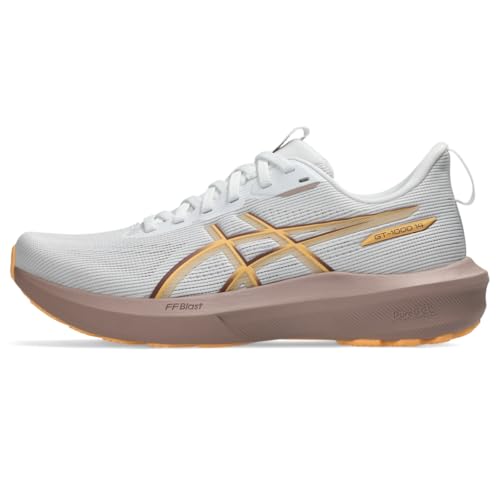
- Adaptive 3D stability system
- FF BLAST and PureGEL cushioning
- Runs small; road and treadmill focused
Best For: Overpronating runners wanting maximum cushioning
Everyday Neutral Trainer
Under Armour Charged+ Assert 11

- Neutral road and treadmill design
- Moderate Charged+ cushioning
- Flexible outsole with midfoot overlays
Best For: Neutral runners seeking everyday comfort
Wide-Toe Orthopedic Trail Pick
Women's Orthopedic Trail Running Shoes

- Spacious toe box for natural toe splay
- Orthotic arch support with maximum cushioning
- Breathable, non-slip design for trails and daily wear
Best For: Runners and walkers wanting roomy, cushioned orthopedic support
Targeted Forefoot Support
Welnove Metatarsal-Pad Running Insoles

- Built-in metatarsal pad for ball-of-foot pressure
- Gel forefoot cushion absorbs running impact
- Arch support fits running, walking, and hiking shoes
Best For: Adding metatarsal cushioning to compatible existing shoes
Forefoot Relief Pick – ABEO MXV Shift
If you need running shoes with metatarsal support for walking and everyday activity, the ABEO MXV Shift focuses directly on forefoot pressure relief. Its removable orthotic footbed, built-in metatarsal pad, spacious toe box, and cushioned heel cup make it a support-oriented choice for users managing ball-of-foot discomfort.
Best For: Walkers seeking metatarsal support, arch support, and extra room for wide or swollen feet.
Pros:
- Removable BIOsystem orthotic footbed includes a built-in metatarsal pad.
- Deep heel cup and arch support help stabilize the rearfoot and distribute weight.
- Adjustable lacing and a spacious toe box support a customized, less restrictive fit.
- High cushioning and a cushioned sole help soften everyday steps.
Cons:
- Designed primarily for walking rather than dedicated running.
- Not water resistant.
- The support profile may be more structured than some neutral-shoe users prefer.
The ABEO MXV Shift is the most direct match here for metatarsal support because its footbed specifically targets the metatarsal area. Choose it when forefoot comfort and fit adjustability matter more than running-specific performance.
Guided Running Choice – Brooks Adrenaline GTS 25
For runners comparing running shoes with metatarsal support, the Brooks Adrenaline GTS 25 offers a running-focused foundation with GuideRails support and soft DNA LOFT v3 cushioning. It is built for road and treadmill use, with a breathable upper and smooth transitions for regular training.
Best For: Road or treadmill runners and walkers who want structured motion guidance with maximum cushioning.
Pros:
- GuideRails system helps keep excess movement in check while supporting natural motion.
- Nitrogen-infused DNA LOFT v3 cushioning provides a soft, lightweight ride.
- Engineered mesh and a flat-knit collar combine breathability with a secure fit.
- Certified as a PDAC A5500 diabetic shoe and granted the APMA Seal of Acceptance.
Cons:
- Its listed support is centered on motion guidance rather than a dedicated metatarsal pad.
- Not water resistant.
- Designed for road and treadmill surfaces, not presented as a trail shoe.
The Adrenaline GTS 25 is a strong option when running performance and stability are priorities. However, shoppers specifically seeking a built-in metatarsal pad may prefer a shoe with explicitly labeled forefoot support.
Maximum Cushion Pick – Skechers Max Cushioning Elite 2.0
The Skechers Max Cushioning Elite 2.0 is worth considering among running shoes with metatarsal support if your priority is a highly cushioned running and walking platform. Ultra Go cushioning, an Air-Cooled Goga Mat insole, and Natural Rocker Technology are designed to make transitions feel smoother on roads and treadmills.
Best For: Neutral runners and walkers who want maximum cushioning, a breathable upper, and easy-care construction.
Pros:
- Ultra Go cushioning and an Air-Cooled Goga Mat insole provide maximum cushioning.
- Natural Rocker Technology supports smoother transitions.
- Breathable athletic mesh helps ventilation during active use.
- Vegan materials and a machine-washable design simplify care.
Cons:
- Listed as a neutral shoe, so it does not provide stability-oriented pronation correction.
- The supplied details do not identify a dedicated metatarsal pad.
- Not water resistant.
This Skechers model suits shoppers who associate forefoot comfort with abundant cushioning and a rocker-style transition. For targeted metatarsal relief, verify that its insole shape meets your needs or consider a model with an explicitly labeled metatarsal footbed.
Orthotic Value Option – OrthoComfoot Road Runner
These OrthoComfoot sneakers are a practical option for shoppers seeking running shoes with metatarsal support alongside arch and heel comfort. Built-in orthotic insoles, stability-oriented construction, and moderate-to-high cushioning are intended for road running, walking, gym use, and extended everyday wear.
Best For: Men wanting lightweight orthopedic support for running, walking, errands, and long days on hard surfaces.
Pros:
- Built-in orthotic insoles cushion the heel and help distribute pressure.
- Arch support is designed to address foot, heel, ankle, and knee discomfort.
- Lightweight construction and breathable materials support all-day wear.
- Rubber outsole provides traction on road and concrete surfaces.
Cons:
- The supplied details do not specify a dedicated metatarsal pad.
- Moderate-to-high cushioning may feel less plush than maximum-cushion models.
- Not water resistant.
The OrthoComfoot is a versatile support shoe for men who want an orthotic feel across running, walking, and casual use. It is a sensible choice for general arch and heel support, but shoppers with diagnosed metatarsalgia should confirm that the insole provides the needed forefoot relief.
Stability Pick – ASICS Women's GT-1000 14
The ASICS Women’s GT-1000 14 is a stability-focused road and treadmill shoe to consider when shopping for running shoes with metatarsal support. Its 3D GUIDANCE SYSTEM is designed to provide adaptive stability, while FF BLAST cushioning and PureGEL help balance responsiveness and impact comfort.
Best For: Runners who need overpronation correction, maximum cushioning, and structured support for road or treadmill use.
Pros:
- 3D GUIDANCE SYSTEM provides adaptive, on-demand stability.
- FF BLAST cushioning offers a responsive, cloud-like ride.
- Rearfoot PureGEL is approximately 65% softer than standard GEL technology.
- Breathable engineered mesh and a moisture-managing Hybrid Max Lite sockliner support comfort.
Cons:
- Listed as running small, so sizing may require extra attention.
- Designed for road and treadmill surfaces rather than trail use.
- Not water resistant.
This is the most support-oriented option in the group, especially for runners who overpronate. Check the fit carefully because the supplied details indicate that it runs small.
Ball-of-Foot Support – Metatarsalgia Relief Insoles
These metatarsalgia and Morton’s neuroma insoles take a different approach to running shoes with metatarsal support by adding targeted support inside compatible footwear. They combine a metatarsal-support design, high-arch structure, EVA cushioning, and shock-absorbing foam for running, walking, hiking, or extended standing.
Best For: People seeking added ball-of-foot support and cushioning in roomy athletic shoes, casual shoes, or work footwear.
Pros:
- Designed to support metatarsalgia, Morton’s neuroma, and ball-of-foot pain.
- U-shaped heel design promotes stability, while the arch support helps address overpronation.
- Durable EVA and shock-absorbing foam provide layered cushioning.
- Breathable, non-slip fabric is designed to help with moisture and odor control.
Cons:
- May require roomy footwear because the product is intended for wide or spacious shoes.
- The listed size is limited to men’s 8–8.5 or women’s 9.5–10.
- High-arch support may not suit every foot shape.
Unlike a complete running shoe, this product is an insert for customizing the fit and support of compatible footwear. Confirm both shoe volume and size before ordering, particularly if your running shoes already fit snugly.
Everyday Neutral Trainer – Under Armour Charged+ Assert 11
The Under Armour Men’s Charged+ Assert 11 is a neutral road and treadmill trainer with moderate cushioning and a flexible outsole. For shoppers comparing running shoes with metatarsal support, its athletic mesh upper, midfoot leather overlays, and strategically placed flex grooves offer general foot security without built-in pronation correction.
Best For: Neutral runners who want a flexible, moderately cushioned shoe for road running, treadmill sessions, and everyday comfort.
Pros:
- Charged+ midsole cushioning is designed for softness and all-day comfort.
- Leather overlays add dimension and midfoot support to the mesh upper.
- Rubber outsole and flex grooves support traction, durability, and toe-off.
- Upper contains at least 30% recycled content.
Cons:
- Neutral design does not provide specific overpronation correction.
- Moderate cushioning may offer less underfoot padding than maximum-cushioning models.
- Not water resistant.
This shoe is a practical choice for neutral runners who prefer flexibility and moderate cushioning. If your metatarsal discomfort requires targeted support, the supplied features do not indicate a dedicated metatarsal element, so an appropriate insole may be worth considering separately.
Wide-Toe Orthopedic Trail Pick – Women's Orthopedic Trail Running Shoes
For shoppers comparing running shoes with metatarsal support, this women’s trail-running model emphasizes a spacious toe area, orthotic arch support, and maximum cushioning. The wide toe box may help reduce squeezing while the cushioned EVA outsole supports running, walking, and hiking on varied terrain.
Best For: Trail running, hiking, walking, and everyday wearers who want a roomy toe box and substantial arch cushioning.
Pros:
- Wide toe box accommodates wider feet and allows natural toe splay.
- Orthotic insole and stability arch design target foot fatigue and plantar-fasciitis discomfort.
- Cushioned, non-slip EVA outsole provides shock absorption and traction across multiple surfaces.
- Breathable zones and mesh fabric help manage heat and moisture.
Cons:
- Not water resistant.
- The roomy, maximum-cushioning design may not suit runners seeking a close, minimal fit.
This is a versatile comfort-first option rather than a specialized wet-weather shoe. Its spacious forefoot and supportive construction make it a practical choice for buyers prioritizing room and cushioning.
Targeted Forefoot Support – Welnove Metatarsal-Pad Running Insoles
Unlike a complete shoe, these Welnove inserts add running shoes with metatarsal support through a built-in metatarsal pad and forefoot gel cushion. They are designed to reduce pressure at the ball of the foot while also providing arch support for running, walking, hiking, and prolonged standing.
Best For: Runners and active users seeking targeted ball-of-foot cushioning or an insole upgrade for compatible footwear.
Pros:
- Built-in metatarsal pad targets pressure associated with metatarsalgia and Morton’s neuroma.
- Elastic forefoot gel cushion absorbs impact during walking and running.
- Multi-density arch modules support both flat and high arches while promoting gait alignment.
- Non-slip gel base and moisture-wicking fabric help maintain positioning and freshness.
Cons:
- Only one size is listed: women’s 9–9.5 or men’s 7–7.5.
- Fit depends on compatibility with the shoe’s existing footbed and available interior space.
This is the most direct choice for shoppers who already own shoes they like but need more forefoot support. Confirm the listed size and shoe fit before ordering.
Stable Cushioned Trail Shoe – OrthoComfoot Women's Orthopedic Runners
These women’s athletic shoes are a practical option for shoppers seeking running shoes with metatarsal support through cushioned, pressure-distributing construction. Their stability arch design, foam and polyurethane insole cushioning, and high cushioning level are intended for trail running, hiking, walking, tennis, and daily wear.
Best For: Active users who want a lightweight, supportive shoe for outdoor activities and extended time on their feet.
Pros:
- Specialized arch support and cushioned midsole help distribute pressure across the foot.
- Stability construction is designed for flat feet, high arches, and plantar-fasciitis-related discomfort.
- Rubber outsole provides traction on wet and dry surfaces.
- Breathable mesh upper and lightweight build suit long runs, hikes, and everyday activities.
Cons:
- Not water resistant despite traction for wet and dry surfaces.
- It has a stability-oriented, maximum-cushioning design, which may feel more structured than flexible minimalist footwear.
Choose this model when stability and all-day cushioning matter more than a stripped-down running feel. Its broad activity range makes it useful as one shoe for outdoor exercise and casual wear.
How We Picked These Running Shoes with Metatarsal Support
We selected options across several support needs and budgets, including stability running shoes, highly cushioned trainers, orthopedic walking and trail shoes, and removable insoles. We considered features that can help reduce forefoot stress, such as cushioning under the ball of the foot, supportive footbeds, arch structure, flexible uppers, and room for natural toe spread.
Because foot shape and pain triggers vary, no shoe is ideal for everyone. Product descriptions and intended use matter: a dedicated running shoe may suit road miles, while an orthopedic walking or trail model may be better for casual wear, uneven surfaces, or slower outings.
Quick Comparison
| Best For | Look For | Featured Types |
|---|---|---|
| Road running | Balanced cushioning and stable guidance | Brooks Adrenaline, ASICS GT-1000, Under Armour Assert |
| Maximum comfort | Plush midsole and generous upper | Skechers Max Cushioning Elite |
| Walking and daily wear | Orthotic footbed and forefoot room | ABEO MXV Shift and orthopedic sneakers |
| Trail use | Secure fit, traction, and supportive construction | Orthopedic trail running shoes |
| Customizing an existing shoe | Metatarsal pad and arch support | Welnove and metatarsalgia insoles |
Key Buying Factors for Running Shoes with Metatarsal Support
Forefoot Shape and Toe Box
Look for enough width and height to let your toes spread without rubbing. A cramped toe box can increase pressure across the metatarsal heads, while a secure heel prevents your foot from sliding forward. Try shoes late in the day, when feet are often slightly swollen.
Cushioning and Pressure Distribution
Soft cushioning can improve comfort, but maximum softness is not automatically better. Choose a midsole that absorbs impact while remaining stable. A removable insole or built-in metatarsal pad may help distribute pressure, though placement should feel supportive rather than intrusive.
Stability and Arch Support
Runners who overpronate or need structured guidance may prefer stability models such as the Brooks Adrenaline or ASICS GT series. Neutral runners may favor a flexible cushioned shoe. Arch support should match your foot rather than create a hard pressure point.
Fit, Use, and Break-In
Match the shoe to your activity, surface, and weekly mileage. Road shoes prioritize smooth transitions, whereas trail shoes need traction and a more secure upper. Wear new footwear for short sessions first, and stop if pain worsens, numbness develops, or discomfort persists.
Who Should Buy Which Running Shoes with Metatarsal Support?
Choose a stability road shoe if you want structured support for regular pavement running. Choose a maximally cushioned model if impact comfort is your main priority and the fit gives your toes adequate room. Choose an orthopedic walking shoe for daily errands, standing, or casual mileage. Choose a trail model when traction and foot security matter on uneven ground. Choose metatarsal-supporting insoles if your current shoes fit well but need more targeted forefoot or arch support.
Persistent or severe forefoot pain deserves professional evaluation. A podiatrist or qualified clinician can help identify the cause and recommend footwear, orthotics, activity changes, or treatment appropriate for your feet.