Cold-weather trail runs demand more than ordinary athletic shorts. The right pair balances warmth, mobility, moisture management, weather protection, and storage without creating bulk on steep or technical terrain.
Our selection includes insulated shorts, thermal tights, compression-lined designs, and lightweight trail options so you can match coverage and protection to your winter conditions.
Best 10 Trail Running Shorts for Winter Picks for 2026
Versatile Trail Pick
adidas Terrex Multi Light Shorts
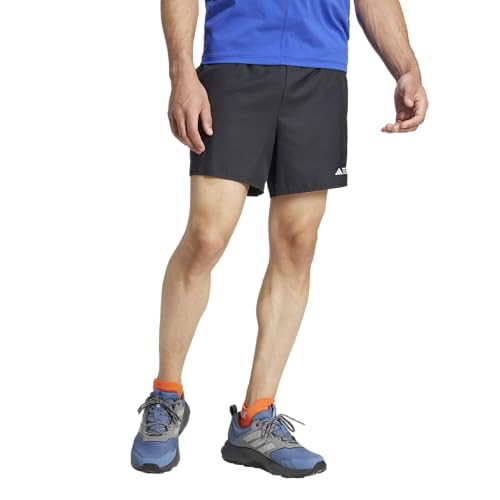
- Regular fit with adjustable drawcord waist
- Front pockets plus rear zip pocket
- Best suited to mild weather or layering
Best For: Mild-weather trail runs and outdoor adventures
Technical Winter Choice
Arc'teryx Norvan Liner Short 7

- 7-inch brief-lined trail-running design
- Lightweight fabric with FC0 DWR finish
- Rear zip pocket for gels and small essentials
Best For: Technical fall and winter trail running
Maximum Warmth Layer
90/10 Duck Down Insulated Shorts

- 90/10 white duck down insulation
- Full-length side zippers ease layering
- Wind- and water-resistant outer shell
Best For: Cold-weather layering and winter outdoor protection
Cold-Weather Coverage
Baleaf Fleece-Lined Running Tights

- Fleece-lined, water-resistant stretch fabric
- 360° reflective details for low-light visibility
- Side pockets plus zippered back pocket
Best For: Winter running and full-leg cold-weather coverage
Lightweight Winter Layer
Haimont APEX 8" Linerless Trail Shorts

- Lightweight, stretchy CORDURA blend
- Linerless for custom winter layering
- Stable waistband and rear storage
Best For: Layering over tights or compression shorts on winter trail runs
Thermal Coverage Pick
Baleaf Men's Winter Running Tights

- Fleece-lined for 20–50°F conditions
- Water resistant against splashes and light rain
- Three pockets plus reflective branding
Best For: Standalone cold-weather running or layering under trail shorts
Race-Ready Layering Short
Haimont APEX 4" Lined Trail Shorts

- Integrated compression liner with anti-slip grippers
- Lightweight, abrasion-resistant CORDURA fabric
- 360° storage for race-day essentials
Best For: Fast trail runs and racing over winter tights
Lightweight Winter Trail Pick
maamgic Men's 5.5" Lined Running Shorts

- Breathable, ultra-light stretch fabric
- Supportive quick-drying compression liner
- Multiple concealed zip pockets
Best For: Mild winter trail runs and layered workouts
Carry-Ready Winter Trail Pick
FlipBelt Men's Compression Shorts

- Full-circle waistband storage
- Padded rear pole-hanging system
- UPF 50+ sun protection
Best For: Long trail runs and races with extensive gear needs
Simple Mid-Thigh Winter Trail Pick
baleaf Men's 5" Running Shorts
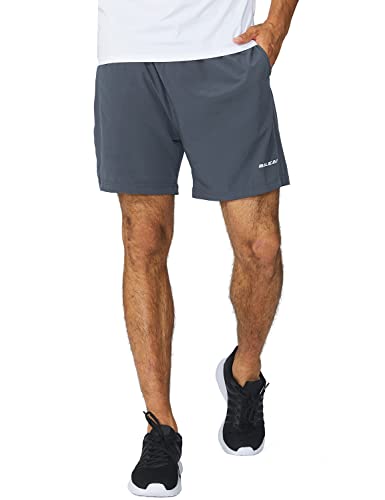
- Lightweight quick-drying fabric
- Breathable built-in mesh briefs
- Three-pocket storage layout
Best For: Everyday cool-weather trails and workouts
Versatile Trail Pick – adidas Terrex Multi Light Shorts
For mild winter days or layering with tights, these adidas trail running shorts for winter offer a straightforward, comfortable option for outdoor running. The regular fit, adjustable drawcord waist, and 5-inch inseam suit runners who prefer traditional shorts with practical storage.
Best For: Mild-weather trail runs, outdoor adventures, and runners who want lightweight shorts with pockets.
Pros:
- Regular fit balances room and a secure feel.
- Drawcord elastic waist allows adjustable comfort.
- Front pockets and a rear zip pocket store essentials.
- Made with 100% recycled polyester.
Cons:
- Listed for spring/summer rather than fall or winter use.
- Lightweight 5-inch construction offers limited cold-weather coverage.
This is best viewed as a versatile outer short for milder conditions or for wearing over a warmer base layer, rather than a standalone deep-winter option.
Technical Winter Choice – Arc'teryx Norvan Liner Short 7
The Arc’teryx Norvan Liner Short 7 is a lightweight option for runners comparing trail running shorts for winter. Its 7-inch brief-lined design, standard fit, and technical trail focus provide coverage and freedom of movement for extended efforts in challenging terrain.
Best For: Technical trail running in fall and winter when lightweight, brief-lined coverage is preferred.
Pros:
- 7-inch length provides more coverage than shorter running shorts.
- Built for high-output trail running and technical mountain activities.
- Zippered center-back pocket holds gels and small essentials.
- Lightweight recycled polyester fabric has a FC0 DWR finish.
Cons:
- Lightweight construction may not provide enough warmth by itself in severe cold.
- Storage is limited to one rear zippered pocket.
With its winter-season listing and technical design, this is the most purpose-built shorts option here for cool-weather trail use, though colder runners may still want an additional layer.
Maximum Warmth Layer – 90/10 Duck Down Insulated Shorts
These insulated shorts take a different approach to trail running shorts for winter, prioritizing warmth over running-specific mobility. The 90/10 white duck down fill, knee-length design, and wind- and water-resistant shell target the hips, thighs, and glutes during cold outdoor activities.
Best For: Cold-weather layering over base layers for winter hiking, skiing, snowboarding, or stationary outdoor use.
Pros:
- 90/10 white duck down provides substantial insulation.
- Full-length side zippers make them easier to put on over other layers.
- Wind-resistant, water-resistant shell helps handle light moisture.
- Lightweight and packable design includes a carry pouch.
Cons:
- Non-stretch nylon and tapered knee-length styling are less suited to active running.
- Designed for skiing and cold-weather protection rather than trail-running performance.
- Dry-clean-only care is less convenient.
These are better treated as an over-layer or insulated rest-piece than conventional running shorts. They can add targeted warmth in extreme cold, but the non-stretch construction may restrict a runner’s stride.
Cold-Weather Coverage – Baleaf Fleece-Lined Running Tights
Although they are tights rather than shorts, these baleaf fleece-lined leggings are a practical alternative for shoppers seeking trail running shorts for winter with more complete leg coverage. Stretch fabric, fleece lining, water resistance, and reflective details support runs and outdoor workouts in approximately 30°F–55°F, depending on activity level.
Best For: Winter running, cycling, hiking, and use as a thermal base layer when full-leg coverage is needed.
Pros:
- Fleece lining provides breathable warmth for cool-weather activities.
- 4-way stretch and a gusseted crotch support unrestricted movement.
- 360° reflective details improve visibility in low light.
- Two side pockets and a zippered back pocket secure essentials.
Cons:
- They are full-length tights, not shorts.
- Warmth is positioned for approximately 30°F–55°F, depending on activity level.
- Water-resistant fabric is intended to repel light rain and snow, not heavy precipitation.
For runners who need warmth and coverage more than a shorts silhouette, these tights are the most directly winter-focused option in the group. Their reflectivity and storage also make them useful for low-light training.
Lightweight Winter Layer – Haimont APEX 8" Linerless Trail Shorts
For winter trail running, these linerless shorts work best over your preferred thermal or compression base layer. Their lightweight, high-stretch CORDURA nylon blend offers unrestricted movement, quick-dry performance, and useful storage for longer outings.
Best For: Runners who want flexible trail shorts to layer over winter tights or compression shorts during endurance and mountain training.
Pros:
- Lightweight 8-inch design with high stretch for natural movement.
- Linerless construction lets you choose your own insulating base layer.
- Waistband storage, a rear zip pocket, and trekking pole loops support long trail sessions.
- Quick-dry fabric and laser-cut ventilation help manage moisture and heat.
Cons:
- No built-in liner or thermal insulation.
- Ventilation-focused construction may be less suitable as a standalone layer in cold weather.
This is a versatile shell short rather than a winter-specific garment. Pair it with fleece-lined tights when warmth is the priority, or use it over a lighter base layer when you want extra coverage and storage.
Thermal Coverage Pick – Baleaf Men's Winter Running Tights
These fleece-lined tights provide the warmth and coverage many runners need when shopping for trail running shorts for winter. They can also serve as a thermal base layer under shorts, while water resistance helps handle splashes and light rain.
Best For: Cold-weather runners who want standalone ankle-length tights or a warm base layer beneath trail shorts.
Pros:
- Ultra-soft fleece lining is designed to retain warmth in 20–50°F conditions.
- Water-resistant fabric helps ward off splashes and light rain.
- Three pockets include a zippered rear pocket for phone storage.
- Zippered cuffs, a drawstring waist, and reflective branding add practical utility.
Cons:
- These are ankle-length tights, not shorts.
- Hand-wash-only care may require more maintenance.
- The notes specify water resistance rather than full waterproof protection.
Among these options, this is the most direct choice for warmth. Wear it alone for cold runs or underneath a pair of trail shorts when you want added insulation, splash protection, and secure storage.
Race-Ready Layering Short – Haimont APEX 4" Lined Trail Shorts
For winter trail running, these 4-inch shorts are best used over tights when you want race-oriented mobility without giving up storage. The integrated compression liner, anti-slip grippers, and stretch CORDURA fabric support fast movement on demanding terrain.
Best For: Trail racers and fast-moving runners who want supportive lined shorts to wear over a winter base layer.
Pros:
- Built-in compression liner supports coverage and helps reduce chafing.
- 4-inch split-leg construction promotes an unrestricted stride.
- Wide waistband provides multiple storage zones for gels, soft flasks, keys, and phones.
- Quick-dry fabric, abrasion resistance, and reflective details suit demanding trail use.
Cons:
- The short 4-inch cut provides less coverage than an 8-inch shell.
- Built-in liner leaves less flexibility for choosing a separate inner layer.
- Not specifically described as insulated or water resistant.
This option offers the strongest performance focus for racing and high-output movement. In winter, pair it with thermal tights if you need insulation, while the compression liner provides a secure fit and chafe-conscious coverage.
Lightweight Winter Trail Pick – maamgic Men's 5.5" Lined Running Shorts
For runners who prefer a lightweight layer for milder winter outings, these trail running shorts for winter combine a breathable outer shell with soft mesh compression briefs. The 4-way stretch fabric, side vents, and quick-drying liner support unrestricted movement, while multiple zip pockets help keep essentials secure.
Best For: Winter trail runs and workouts where low weight, storage, and a supportive liner matter.
Pros:
- Lightweight, high-stretch polyester blend with perforated airflow zones
- Built-in mesh compression liner adds support and quick drying
- Multiple concealed zip pockets plus a phone pocket in the liner
- Reflective details and a rear loop add practical touches
Cons:
- Lightweight construction may offer less warmth in severe cold
- The 5.5-inch length provides less coverage than longer winter shorts
This is a versatile option for layering over tights or wearing alone when conditions are cool rather than deeply cold. Its combination of stretch, ventilation, storage, and reflective detailing makes it especially adaptable for active trail sessions.
Carry-Ready Winter Trail Pick – FlipBelt Men's Compression Shorts
These trail running shorts for winter are built for runners who want secure storage and support without a separate running belt. The full-circle waistband accommodates a phone, bottle, keys, headphones, and energy gels, while the padded rear system is designed to hold poles or an extra layer securely.
Best For: Long trail efforts, races, and organized runs where bounce-free storage and pole carrying are priorities.
Pros:
- 360-degree waistband storage holds multiple running essentials
- Padded rear pole-hanging system helps reduce pressure points
- Silicone leg grip helps limit ride-up during extended movement
- UPF 50+ coverage blocks 99% of UV rays
Cons:
- Medium-weight compression construction may feel less airy than lightweight shorts
- Built-in storage is most useful for runners who carry several items
For winter trail runners focused on carrying capacity, this is the most feature-packed choice in the group. It offers high stretch, integrated organization, pole support, and sun protection, though its design is better suited to supported endurance use than minimalist outings.
Simple Mid-Thigh Winter Trail Pick – baleaf Men's 5" Running Shorts
For a straightforward option among trail running shorts for winter, these 5-inch baleaf shorts offer lightweight quick-drying fabric, breathable built-in mesh briefs, and a mid-thigh cut. Two side pockets and a rear zip pocket provide basic storage, while the inner drawcord helps keep the shorts in place.
Best For: Everyday trail runs, hiking, and workouts where simple storage and comfortable coverage are enough.
Pros:
- Lightweight quick-drying polyester blend
- Built-in mesh briefs provide breathable support
- Two side pockets and a rear zip pocket offer practical storage
- 5-inch inseam allows a free-moving mid-thigh fit
Cons:
- Lightweight fabric is better for layering than for severe winter cold
- Storage is more limited than the integrated belt system on the FlipBelt shorts
This is a practical, uncomplicated pick for cool-weather trail use and layering. Its mid-thigh length, breathable liner, and quick-drying fabric suit everyday movement, while the three-pocket layout covers basic carry needs without adding much bulk.
How We Picked the Best Trail Running Shorts for Winter
We evaluated these options by the features that matter most on cold trails: insulation or thermal coverage, freedom of movement, moisture management, visibility, storage, liner design, weather resistance, and likely use case. Because winter running conditions vary widely, the list includes both true cold-weather layers and versatile shorts that work over tights or in milder climates.
We also considered inseam length, waistband security, comfort during long efforts, and whether the construction suits running, hiking, ski layering, or general winter training. A good pair should stay in place, avoid excessive chafing, and provide enough room for a full stride on climbs and descents.
Quick Comparison
- For lightweight trail layering: adidas Terrex Multi Light, Haimont APEX 8-inch, and baleaf 5-inch shorts.
- For built-in support and reduced layering: Arc’teryx Norvan Liner, Haimont APEX 4-inch, and maamgic lined shorts.
- For the coldest conditions: Duck Down Insulated Shorts and fleece-lined or waterproof baleaf tights.
- For secure storage: FlipBelt compression shorts with a built-in running belt.
Key Buying Factors for Trail Running Shorts for Winter
Warmth and Layering
Decide whether you need insulation, a fleece lining, or simply an outer short worn over tights. Insulated shorts add protection around the hips and upper legs, while thermal tights offer more complete coverage. For changing temperatures, lightweight shell shorts are easier to layer and remove.
Fit, Inseam, and Liner Design
A longer inseam generally provides more coverage and can reduce exposure to wind, while shorter cuts maximize ventilation and unrestricted movement. Compression liners may improve support and reduce chafing, but linerless shorts give you more flexibility with base layers.
Weather Protection and Visibility
For wet or snowy routes, look for water-resistant or waterproof fabric and a design that sheds splashes. Reflective details are especially useful during short winter days, but they should complement—rather than replace—lights and high-visibility outer layers.
Storage and Waistband Security
Check whether pockets can hold a phone, keys, gels, or gloves without bouncing. A secure drawcord and supportive waistband are important when carrying layers or moving over uneven terrain.
Who Should Buy Which Trail Running Shorts for Winter?
Choose insulated down shorts if warmth is the priority for very cold starts, rest periods, or winter layering. Pick fleece-lined or waterproof tights when you need full-leg coverage in freezing, windy, or wet conditions. Runners in milder climates may prefer lightweight linerless trail shorts worn over a thermal base layer.
For technical trails and longer runs, prioritize a secure fit, breathable fabric, and practical storage over maximum insulation. If you want built-in support, select a lined or compression design. For commuters, night runners, and athletes carrying essentials, reflective details or integrated belt storage can be especially valuable.