Cold-weather running demands more than a standard windbreaker. The right winter jacket balances warmth, weather protection, breathability, and freedom of movement without feeling bulky on the run.
This roundup compares 10 running jackets for winter, from lightweight insulated layers to fleece-lined softshells, so you can choose based on your climate, training pace, and preferred fit.
Best 10 Running Jackets for Winter Picks for 2026
Best Fleece Layer
Women's Water-Resistant Running Jacket

- Fleece-lined and 4-way stretch
- Five pockets with reflective details
- Designed for 40–60°F conditions
Best For: Women's running and everyday layering in moderate cold
Best Hybrid Warm-Up
Men's Lightweight Thermal Running Jacket
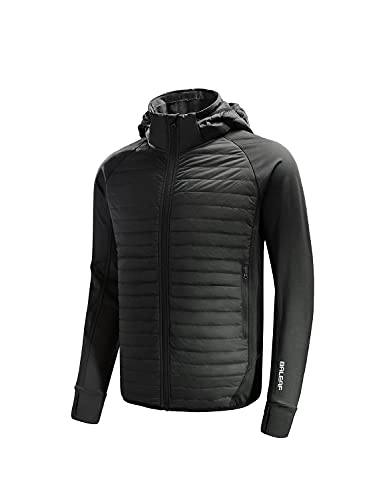
- Water-resistant front core panel
- Stretch fleece for lightweight warmth
- Detachable hood and five pockets
Best For: Men's running warm-ups and flexible winter layering
Best Slim-Fit Insulation

- Quilted panels warm the core
- Stretch-fleece sleeves reduce bulk
- Thumbholes and zip pockets included
Best For: Slim-fit workouts and cool-weather layering
Best for Windy Rides
Men's Softshell Winter Sports Jacket

- Three-layer windproof fleece construction
- Reflective details and chest vents
- Four pockets with drop-tail coverage
Best For: Winter cycling and exposed outdoor activities
Best Lightweight Hybrid

- Stretch fleece panels support easy movement
- Wind-blocking hood, cuffs, and hem
- Four pockets and lightweight construction
Best For: Women running in cool weather or layering in colder conditions
Best Wind Protection
Men's Reflective Fleece Windbreaker
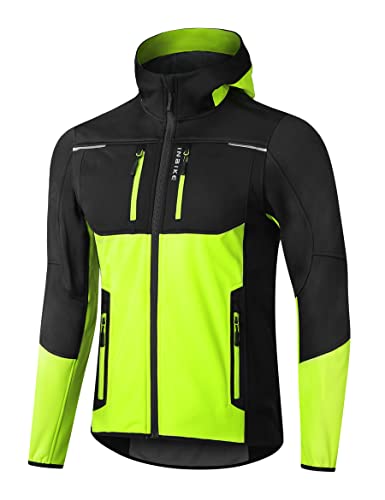
- Windproof and water-resistant polyester shell
- Thickened velvet lining adds warmth
- Reflective details and four zippered pockets
Best For: Cold, windy runs and cycling after dark
Lightweight Windbreak Pick
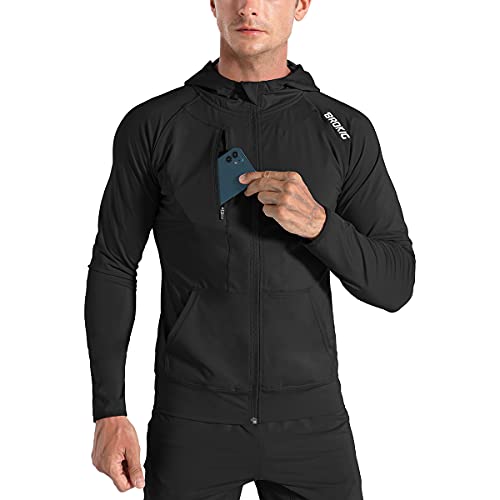
- Lightweight, breathable, quick-dry fabric
- Windproof and water-resistant protection
- Stretch athletic fit with secure pockets
Best For: Mild-weather runs and versatile workouts
Cold-Weather Hybrid Pick
Women's Fleece-Lined Softshell Jacket

- Fleece-lined and insulated for winter warmth
- Adjustable hood and hem block wind
- Stretch hybrid design with four secure pockets
Best For: Cold-weather runs and winter layering
Stretch Midlayer Pick
Women's Winter Fleece Running Coat

- Lightweight thermal fabric adds warmth
- High-stretch panels support movement
- Water-resistant shell with seven pockets
Best For: Cold-weather training and versatile layering
Best Fleece Layer – Women's Water-Resistant Running Jacket
If you need running jackets for winter in milder, damp conditions, this baleaf fleece jacket emphasizes warmth, stretch, and practical storage. Its 240g fleece lining and water-resistant outer fabric suit cool-weather activities, though the notes specify light rain rather than prolonged wet weather.
Best For: Women’s running, hiking, golf, or everyday layering in approximately 40–60°F conditions.
Pros:
- Soft fleece lining provides warmth while the 4-way stretch supports movement.
- Thumbholes, a high collar, and a longer back help limit wind chill and coverage gaps.
- Five pockets, including a rear zip pocket and hidden inner pockets, provide useful storage.
- Underarm mesh vents and reflective details support comfort and low-light visibility.
Cons:
- Water resistance is intended for light rain for a short time, not extended downpours.
- The slim fit may require careful sizing for layering.
- Its lightweight construction is better suited to moderate cold than severe winter weather.
This is a practical, versatile choice when you want a warm fleece layer that can work for running and casual wear without excessive bulk.
Best Hybrid Warm-Up – Men's Lightweight Thermal Running Jacket
Among running jackets for winter, this men’s hybrid design balances lightweight insulation with stretch. A water-resistant front helps protect the core, while the fleece-backed fabric on the arms and back supports movement during runs, warm-ups, and outdoor training.
Best For: Runners who want a versatile mid-layer or warm-up jacket with a detachable hood and secure storage.
Pros:
- Hybrid construction combines a water-resistant front with breathable, stretchy fabric elsewhere.
- Stretch fleece interior provides lightweight warmth without a bulky feel.
- Detachable hood, high neck, and elastic hem help block chilly wind.
- Two zippered hand pockets and an internal chest pocket secure essentials.
Cons:
- The water-resistant protection is concentrated on the front outer layer rather than described as fully waterproof.
- The regular fit may be less streamlined than a close-fitting racing jacket.
- Its lightweight build may need an additional layer in harsher cold.
This jacket makes sense for runners who prioritize flexible movement and adaptable layering, especially when a hood and pocket security are useful.
Best Slim-Fit Insulation – Women's Hybrid Workout Jacket
This women’s hybrid jacket is a useful option if you want running jackets for winter with core insulation but less bulk through the arms. Quilted panels retain warmth at the front and back, while the fleece-lined stretch sleeves and side panels support movement during workouts.
Best For: Slim-fit running, hiking, cycling, gym warm-ups, and casual wear in cool fall or winter weather.
Pros:
- Quilted front and back panels help retain core warmth.
- Stretch-fleece sleeves and side panels allow freedom of movement.
- Stand collar, thumbholes, and zip pockets add practical cold-weather utility.
- Curved hem and sculpting silhouette create a streamlined appearance.
Cons:
- The slim fit may feel restrictive when layered; the notes recommend sizing up between sizes.
- It is described as lightweight and water resistant, not fully waterproof.
- The short length may provide less coverage than a longer winter jacket.
Choose this style when a close silhouette and mobility matter more than maximum coverage. It works particularly well as a standalone layer in cool weather or a mid-layer on colder days.
Best for Windy Rides – Men's Softshell Winter Sports Jacket
For demanding outdoor use, this softshell is one of the more protective running jackets for winter. Its three-layer construction combines a windproof exterior, breathable membrane, and fleece interior, while the drop-tail hem and reflective detailing add useful coverage for cycling and low-light activity.
Best For: Winter cycling, trail running, hiking, snowshoeing, and other outdoor sports in approximately 20–50°F conditions.
Pros:
- Three-layer insulation combines wind protection, breathability, and fleece warmth.
- Two chest vents help release heat during active use.
- Reflective elements on the chest, elbows, back, and pocket improve low-light visibility.
- Four utility pockets, a drop-tail hem, and a silicone gripper support cycling practicality.
Cons:
- The medium-weight construction may feel warmer or bulkier than a lightweight running shell.
- The cycling-oriented drop-tail fit may be less suited to casual wear.
- Its regular fit may require layering adjustments for a closer running profile.
This is the strongest choice here for exposed, windy routes and cycling-focused winter use, particularly when visibility, rear coverage, and storage are priorities.
Best Lightweight Hybrid – Women's Hooded Puffer
For runners comparing running jackets for winter, the Rdruko hybrid puffer balances low weight with useful warmth. Its nylon body resists light rain or snow, while fleece-lined stretch sleeves and sides support comfortable movement during active outings.
Best For: Women seeking a lightweight jacket for running in roughly 40–60°F weather or layering in colder conditions.
Pros:
- Stretchy fleece-lined sleeves and sides allow flexible arm movement.
- Wind-resistant features include a hood, stand collar, thumbhole cuffs, and elastic hem.
- Four pockets provide storage for a phone, wallet, and small accessories.
- Lightweight design weighs about 11.6 ounces in size S.
Cons:
- Water resistance is intended for light rain or snow rather than sustained heavy precipitation.
- Its lightweight construction may require additional layers in colder weather.
This is a practical choice when mobility and layering versatility matter more than maximum insulation. The hybrid construction gives it broader seasonal use for running, hiking, cycling, and everyday wear.
Best Wind Protection – Men's Reflective Fleece Windbreaker
The INBIKE hooded jacket is a strong option among running jackets for winter when wind protection and visibility are priorities. Its polyester shell is windproof and water-resistant, while thickened velvet lining adds warmth for outdoor exercise.
Best For: Men who run, cycle, or train outdoors in windy, cold conditions and want reflective details.
Pros:
- Windproof, water-resistant polyester fabric helps protect against cold wind and rain.
- Thickened velvet lining provides added warmth against the skin.
- Reflective branding and a back stripe improve visibility in darkness.
- Four YKK-zippered pockets offer substantial storage and rain-resistant closures.
Cons:
- The fabric has no stretch, which may feel less flexible during high-mobility activities.
- The hood is not detachable.
- Hand-wash-only care is less convenient than machine washing.
Its fitted, close-cut design is intended to reduce wind resistance, making it especially suitable for cycling and brisk outdoor training. Runners who prefer stretchier fabric may find the non-stretch construction less forgiving.
Best Insulated Mobility – Women's Hooded Running Jacket
The TBMPOY jacket combines an insulated quilted front with breathable stretch-fleece sleeves and underarms, making it a versatile pick among running jackets for winter. It can serve as a standalone layer in mild cold or a mid-layer when temperatures drop.
Best For: Women who want lightweight insulation with freedom of movement for running, hiking, golf, and other outdoor activities.
Pros:
- Quilted front panel adds body warmth without making the jacket heavy.
- Stretch fleece sleeves and underarms support a comfortable range of motion.
- Hood, thumbholes, and elasticated hem help block cold wind.
- Two outer and two inner pockets hold personal essentials.
Cons:
- Water resistance is better suited to wet snow and light outdoor moisture than prolonged heavy rain.
- Hand washing is listed as an option, but the jacket’s care instructions may require more attention than a basic shell.
This jacket is a balanced choice for active users who need warmth through the core without restricting the arms. Its layering flexibility makes it useful across changing winter conditions, though very cold weather may call for an additional layer.
Lightweight Windbreak Pick – Men's Zip-Up Hoodie Jacket
For runners seeking running jackets for winter in milder conditions, this lightweight hoodie emphasizes wind resistance, breathability, and easy movement rather than heavy insulation. Its quick-drying, four-way-stretch fabric suits active training and everyday outdoor workouts.
Best For: Mild-weather running, cycling, gym sessions, and runners who prefer a lightweight layer.
Pros:
- Water-resistant, windproof fabric helps protect against light outdoor conditions.
- Quick-dry, breathable material wicks sweat and is designed to reduce chafing.
- Four-way stretch and an athletic fit support unrestricted movement.
- Zip chest and side pockets help secure small valuables.
Cons:
- Lightweight construction is better suited to mild weather than severe cold.
- The athletic, form-fitting cut may not be ideal for bulky layering.
This is a practical choice when you need a flexible windbreaker for active use, but runners in genuinely cold winter climates may want a more insulated jacket.
Cold-Weather Hybrid Pick – Women's Fleece-Lined Softshell Jacket
This fleece-lined softshell is one of the warmer running jackets for winter in the lineup, combining insulation with a lightweight hybrid design. The adjustable hood and hem help block wind, while stretch fabric preserves mobility for running and other outdoor activities.
Best For: Cold-weather running, winter layering, hiking, cycling, and active use in windy conditions.
Pros:
- Fleece lining and insulated construction provide added warmth.
- Adjustable hood and hem help keep wind out.
- Hybrid stretch fabric allows activity space without a bulky feel.
- Two zippered hand pockets and two interior pockets provide useful storage.
Cons:
- The regular fit may feel less streamlined than an athletic running cut.
- Its warmer construction may be more than needed for mild-weather runs.
With a stated weight of 390 g in size S, this jacket works especially well as a warm midlayer or standalone outer layer when winter wind and cold are the main concerns.
Stretch Midlayer Pick – Women's Winter Fleece Running Coat
For runners comparing running jackets for winter and transitional seasons, this lightweight coat combines thermal warmth with a high-stretch design. Its stand collar helps retain heat, while water-resistant fabric and multiple pockets add practicality for outdoor training.
Best For: Fall and winter running, cold-weather layering, hiking, camping, and outdoor workouts.
Pros:
- Thermal fabric is designed to be breathable, lightweight, and insulating.
- Spandex side and back panels provide high stretch for easier movement.
- Water-resistant fabric and a stand collar help with light weather protection.
- Two hidden zip pockets and two inner pockets offer substantial storage.
Cons:
- The pull-on closure is less convenient than a full front zip for quick changes.
- Lightweight construction may require additional layers in severe cold.
At 325 g in size S, this jacket is a sensible balance of warmth, stretch, and storage for active layering across fall, winter, and spring.
How We Picked the Best Running Jackets for Winter
We focused on the features that matter most during cold-weather training: insulation, wind resistance, water protection, breathability, mobility, storage, visibility, and overall versatility. The selection includes women’s and men’s styles, lightweight jackets for active runners, warmer options for slower workouts, and hybrid designs that combine fleece or softshell fabric with insulated panels.
We also considered practical details such as hoods, thumb holes, zippered pockets, adjustable hems, reflective accents, and packability. Because winter conditions vary widely, no single jacket is ideal for every runner. Your best choice depends on temperature, precipitation, wind, and how much heat you generate while exercising.
Quick Comparison
| Jacket type | Best for | What to look for |
|---|---|---|
| Fleece-lined | Cold, dry runs | Soft interior, wind resistance, moisture management |
| Insulated or puffer | Very cold weather and low-intensity activity | Lightweight fill, adjustable fit, good ventilation |
| Softshell | Windy, changeable conditions | Stretch, weather-resistant outer fabric, breathable panels |
| Windbreaker | Mild winter weather and fast runs | Low weight, packability, reflective details |
Key Buying Factors for Running Jackets for Winter
Warmth and Insulation
Choose fleece lining or synthetic insulation when temperatures are low. Insulated jackets are warmer but can feel excessive during hard efforts. For high-output runs, a lighter shell over a base layer may provide better temperature control.
Weather Protection
Windproof fabric helps prevent chill, while water-resistant treatment protects against light rain and snow. For sustained downpours, look for a jacket specifically described as waterproof with sealed seams; water resistance alone is usually not enough.
Breathability and Mobility
Running jackets should allow heat and moisture to escape. Stretch panels, articulated sleeves, vents, and a comfortable shoulder fit improve mobility. Avoid overly loose designs that flap in strong wind or interfere with arm swing.
Fit and Useful Details
A close athletic fit works well for layering, but leave enough room for a base layer. Thumb holes can keep sleeves in place, while a hood adds protection in exposed conditions. Zippered pockets are useful for keys and a phone, and reflective accents improve visibility during early or evening runs.
Who Should Buy Which Running Jackets for Winter?
For Cold, Dry Training
Choose a fleece-lined jacket with wind resistance. These options provide dependable warmth without the bulk of a heavy winter coat.
For Especially Cold or Slower-Paced Workouts
Select a lightweight insulated or hybrid puffer jacket. These designs suit hiking, walking, warm-ups, and easy runs where you generate less body heat.
For Windy and Changeable Weather
A softshell jacket offers a useful balance of warmth, stretch, and wind protection. It is a strong everyday option when conditions can shift during a workout.
For Fast Runners and Mild Winter Days
Prioritize a lightweight windbreaker with breathable construction and reflective detailing. Layer it over a moisture-wicking base layer, and add midlayer insulation only when needed.