Cold temperatures can expose weaknesses in batteries, charging systems, grips, and seals. The best flashlights for cold weather provide dependable illumination while remaining practical for power outages, winter travel, outdoor work, and emergencies.
This roundup compares 10 bright handheld models with useful features such as rechargeable power, adjustable focus, multiple output modes, water resistance, and compact multi-pack designs.
Best 10 Flashlights for Cold Weather Picks for 2026
Rugged Battery Pick
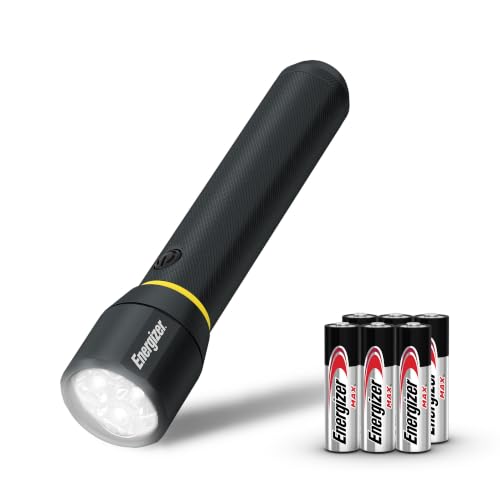
- 1,300-lumen High mode with adjustable focus
- Includes six Energizer MAX AA batteries
- Metal body with IPX4 water resistance
Best For: Emergency kits, camping, and battery-powered convenience
Rechargeable Two-Pack
ZioeYiue 700-Lumen Flashlights

- Two rechargeable aluminum flashlights included
- Seven modes with adjustable focus
- Power display and up to 12-hour runtime
Best For: Households needing versatile rechargeable lighting
Multi-Flashlight Value
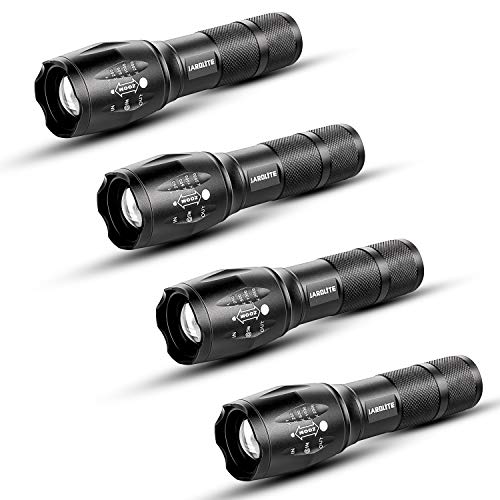
- Four compact flashlights for distributed use
- Five modes with adjustable spotlight-to-floodlight focus
- Supports 18650 or AAA batteries
Best For: Families, emergency kits, and dog walking
Heavy-Weather Powerhouse
CHILDBOT Rechargeable Flashlight

- IP67 waterproof aluminum construction
- Up to 15 hours with LCD power display
- USB output can provide power-bank functionality
Best For: Snow, heavy rain, camping, and emergency preparedness
Compact Cold-Weather Carry
Compact Adjustable-Focus Flashlight

- 140-lumen LED beam reaches about 492 feet
- Small aluminum body with IPX4 water resistance
- Includes three AAA batteries
Best For: Pocket carry, camping, and everyday outdoor tasks
Power-Outage Ready
Auto-On Rechargeable Flashlight
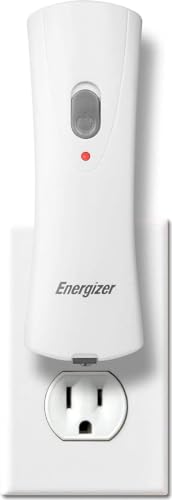
- Turns on automatically when power fails
- Rechargeable with up to 3.5 hours of runtime
- 40-lumen beam reaches up to 30 meters
Best For: Indoor emergency lighting and outage preparedness
Two-Pack Outdoor Performance
Waterproof Tactical Flashlights

- Two aluminum flashlights with five operating modes
- Waterproof design and adjustable zoom focus
- Claimed beam distance of up to 656 feet
Best For: Hiking, camping, and cold-weather outdoor backup
Cold-Weather Powerhouse
Lylting Rechargeable LED Flashlight

- USB-C rechargeable with power display
- IPX7 waterproof aluminum body
- Five modes, including strobe and SOS
Best For: Wet-weather camping, emergencies, and outdoor use
Cold-Weather Value Pick
LETMY Tactical Flashlight 2-Pack

- Two compact flashlights for separate locations
- Adjustable flood and spotlight focus
- Five modes with splash-resistant aluminum bodies
Best For: Home, car, camping, and emergency backup kits
Cold-Weather Long-Runner
Rechargeable High-Lumen Flashlight

- USB-C charging with battery-level display
- IP67 waterproof aluminum construction
- Adjustable beam and included rechargeable battery
Best For: Extended hikes, camping, fishing, and emergency readiness
Rugged Battery Pick – Energizer Vision PRO
For shoppers comparing flashlights for cold weather, the Energizer Vision PRO is a practical battery-powered option with a metal body, impact resistance, and IPX4 water resistance. Its adjustable focus and 1,300-lumen High mode suit emergency use, outdoor tasks, and power outages.
Best For: Emergency kits, camping, and users who prefer included disposable batteries.
Pros:
- Includes six Energizer MAX AA batteries.
- Produces up to 1,300 lumens with adjustable focus and multiple modes.
- Impact-resistant to 1 meter and IPX4 water-resistant.
Cons:
- Uses disposable AA batteries rather than a rechargeable battery.
- IPX4 protection is intended for splashes, not submersion.
This is a dependable general-purpose choice when you want a rugged flashlight ready to use out of the package. Its battery format is convenient for emergency storage, though rechargeable models may be preferable for frequent use.
Rechargeable Two-Pack – ZioeYiue 700-Lumen Flashlights
The ZioeYiue two-pack is a flexible option among flashlights for cold weather, combining rechargeable power, aluminum construction, and a charge-level display. Seven lighting modes, adjustable focus, and a stated 12-hour runtime make it useful for home emergencies and outdoor activities.
Best For: Households that want two rechargeable flashlights with varied light modes.
Pros:
- Includes two flashlights, Type-C cables, lanyards, and a storage box.
- Offers seven modes, including white, side, red, strobe, and SOS lighting.
- Displays remaining power and provides up to 12 hours of runtime.
- Aluminum body is listed as waterproof and includes a clip for carrying.
Cons:
- The built-in lithium-ion battery is non-detachable.
- Maximum listed output is 700 lumens, lower than some larger tactical models.
With two units in the package, this set works well for keeping one flashlight at home and another in a vehicle or bag. The power display and USB-C charging simplify routine use, while the multiple modes add versatility.
Multi-Flashlight Value – JARDLITE 4-Pack
For emergency supplies and group use, the JARDLITE four-pack offers compact flashlights with adjustable focus and five lighting modes. Their alloy-steel construction, drop resistance, and waterproof design make them a practical budget-minded choice among flashlights for cold weather.
Best For: Families, emergency kits, dog walking, and distributing flashlights across several locations.
Pros:
- Includes four pocket-sized flashlights with hand straps.
- Adjusts from a spotlight reaching up to 656 feet to a wider floodlight.
- Provides three brightness levels plus strobe and SOS modes.
- Supports either an 18650 lithium-ion battery or three AAA batteries.
Cons:
- Batteries are not included.
- The listed brightness is 250 lumens, below many high-output alternatives.
- Only two AAA battery holders are included for the four flashlights.
This pack prioritizes quantity and portability over maximum brightness. It is a sensible choice when you need several basic lights for preparedness or everyday carry, provided you purchase the required batteries separately.
Heavy-Weather Powerhouse – CHILDBOT Rechargeable Flashlight
The CHILDBOT rechargeable flashlight is designed for demanding outdoor conditions, making it a strong contender among flashlights for cold weather. It combines an aviation-grade aluminum body, IP67 waterproofing, adjustable focus, a digital power display, and a USB output that can function as a power bank.
Best For: Heavy rain, snow, camping, and users wanting long runtime with charge monitoring.
Pros:
- IP67 waterproof construction is specified for rain, snow, and harsh weather.
- Offers five modes, adjustable focus, and up to 15 hours of stated battery life.
- LCD power display shows remaining charge, and Type-C charging is supported.
- USB output allows the flashlight to serve as a power bank.
Cons:
- The product listing contains inconsistent brightness figures, including 100,000 lumens and a 2,000-lumen specification.
- Charging takes a stated four to six hours.
- Only one flashlight is included.
This model stands out for weather protection and useful battery-management features rather than a clearly verifiable lumen rating. If waterproofing, long runtime, and emergency charging matter most, its feature set is compelling for outdoor preparedness.
Compact Cold-Weather Carry – Compact Adjustable-Focus Flashlight
For anyone comparing flashlights for cold weather, this small aluminum Lepro model offers a practical balance of portability, brightness, and basic weather resistance. It produces up to 140 lumens, reaches roughly 492 feet, and runs on included AAA batteries.
Best For: Pocket carry, camping, dog walking, power outages, and general outdoor use.
Pros:
- Compact 4.2-inch design weighs about 128 grams and fits easily in a pocket.
- Adjustable focus switches between a narrower spot beam and wider flood beam.
- IPX4 water resistance and an aluminum casing help handle splashes and outdoor use.
- Includes three AAA batteries, so it is ready to use out of the package.
Cons:
- At 140 lumens, it is less powerful than some larger tactical flashlights.
- IPX4 water resistance is intended for splashes, not submersion.
This is a sensible everyday option when compact size matters more than maximum output. Its included batteries and adjustable beam make it especially convenient for keeping in a coat pocket or emergency kit.
Power-Outage Ready – Auto-On Rechargeable Flashlight
This Energizer WeatheReady model is a convenient choice among flashlights for cold weather when you want reliable access during a winter outage. It stays plugged in, turns on automatically when the power fails, and provides up to three hours of runtime after a full charge.
Best For: Home emergency preparedness, power failures, and quick trips outside near the house.
Pros:
- Automatically illuminates when the power goes out, making it easy to locate in darkness.
- Rechargeable design eliminates routine battery replacement.
- Provides a beam reaching up to 30 meters with up to 3.5 hours of battery life.
- Retractable plug and compact construction make it easy to carry.
Cons:
- It is not water resistant, so it is unsuitable for wet or snowy outdoor conditions.
- Its 40-lumen output is intended for nearby illumination rather than long-range lighting.
- Its corded charging design is less flexible than a conventional battery flashlight.
Choose this flashlight primarily as an indoor winter emergency light. The automatic activation is useful during outages, but its lack of water resistance means it should remain protected from precipitation.
Two-Pack Outdoor Performance – Waterproof Tactical Flashlights
For demanding outdoor use, this two-pack is one of the more versatile flashlights for cold weather in the lineup. Each aluminum flashlight offers five modes, adjustable focus, a claimed range of up to 656 feet, and waterproof construction for rain, freezing temperatures, and other outdoor conditions.
Best For: Hiking, camping, night riding, fishing, patrol use, and keeping a spare flashlight available.
Pros:
- Waterproof, dustproof, impact-resistant aluminum construction is suited to outdoor conditions.
- Five modes include low, medium, high, SOS, and strobe settings.
- Zoomable focus provides either a spot beam or a wider flood beam.
- Two flashlights offer useful redundancy for households, vehicles, or companions.
Cons:
- Batteries are not included; the set requires six AAA batteries total.
- The listed brightness is 120 lumens, so the long stated range should not be confused with high overall output.
- The multiple modes may be more functionality than needed for simple everyday use.
This set makes sense for cold-weather adventures where weather protection and backup capacity matter. Remember to purchase the required AAA batteries separately before heading out.
Cold-Weather Powerhouse – Lylting Rechargeable LED Flashlight
For shoppers comparing flashlights for cold weather, the Lylting rechargeable model offers a rugged aluminum body, IPX7 water resistance, and five lighting modes for changing outdoor conditions. Its USB-C charging and power display also make battery status easier to monitor before heading out.
Best For: Camping, emergencies, hiking, and other wet or demanding outdoor uses where a rechargeable flashlight is convenient.
Pros:
- Rechargeable design with USB-C input and a visible power display.
- IPX7 waterproof aluminum-alloy construction helps handle rain and snow.
- Five modes include low, medium, high, strobe, and SOS.
- Includes a two-year replacement service and around-the-clock customer support.
Cons:
- The built-in rechargeable battery cannot be removed or replaced by the user.
- The larger handheld body may be less convenient than a pocket-sized flashlight.
The Lylting is a practical choice when weather resistance, rechargeable operation, and strong illumination matter more than carrying the smallest possible light. Its built-in battery is worth considering if you prefer user-replaceable cells.
Cold-Weather Value Pick – LETMY Tactical Flashlight 2-Pack
If you need flashlights for cold weather in more than one location, the LETMY S2000 two-pack is a useful budget-minded option. These compact aluminum flashlights offer five modes, adjustable focus, and resistance to splashing water, while the included holders support either AAA batteries or a compatible 18650 battery.
Best For: Keeping one flashlight at home and another in a vehicle, bag, or emergency kit.
Pros:
- Two compact flashlights provide convenient coverage for separate locations.
- Adjustable focus switches between broad floodlight and focused spotlight beams.
- Five modes include high, medium, low, strobe, and SOS.
- Anti-slip, military-grade aluminum bodies are pocket-friendly and include lanyards.
Cons:
- Batteries are not included.
- Its water protection is described for splashing rather than full immersion.
- Battery compatibility requires choosing between AAA cells and a separate 18650 battery.
The LETMY pair makes sense for practical preparedness, especially when you want backup lighting in multiple places. Just plan to purchase batteries separately and avoid treating it as an immersion-rated light.
Cold-Weather Long-Runner – Rechargeable High-Lumen Flashlight
Among flashlights for cold weather, this rechargeable handheld model stands out for its USB-C charging, battery-level display, and IP67 waterproof construction. The adjustable beam, five modes, and included 5000mAh rechargeable battery make it suited to extended outdoor and emergency use.
Best For: Hiking, camping, fishing, and severe-weather preparedness when you want a rechargeable light with a clear battery readout.
Pros:
- USB-C charging and a display showing 25%, 50%, 75%, or 100% battery status.
- IP67 waterproof aviation-grade aluminum body is designed for demanding weather.
- Adjustable beam offers floodlight and spotlight use.
- Includes a 5000mAh rechargeable battery, USB-C cable, and AAA batteries.
Cons:
- The product’s multiple battery components and case may add setup complexity.
- High-mode runtime is listed at about six hours, while the stated maximum runtime is up to 12 hours on weaker mode.
This is a strong fit for users who want weather protection and battery visibility in one flashlight. Its included charging accessories and backup AAA batteries provide useful flexibility for longer trips or outages.
How We Picked the Best Flashlights for Cold Weather
We focused on practical cold-weather performance rather than headline brightness alone. The selected models were compared by power source, claimed light output, water resistance, construction, controls, beam adjustment, portability, and suitability for emergency use. Rechargeable options can reduce reliance on disposable batteries, while battery-powered designs may be easier to keep ready in a vehicle or emergency kit.
Because manufacturers use different testing methods for lumen claims, published brightness figures should be treated as general indicators, not directly comparable laboratory results. Runtime, heat management, battery quality, and beam design also affect real-world usefulness.
Quick Comparison
| Best For | Features to Look For | Recommended Type |
|---|---|---|
| Home emergencies | Simple controls, dependable charging, hands-free or night-light capability | Rechargeable plug-in flashlight |
| Winter hiking and camping | Water resistance, durable housing, focused beam, spare power | Rugged tactical or aluminum model |
| Vehicles and roadside kits | Long storage readiness, compact size, easy battery replacement | Battery-powered handheld flashlight |
| Family preparedness | Multiple units, straightforward operation, reasonable cost | Two- or four-pack |
Key Buying Factors for Flashlights for Cold Weather
Battery and Charging Performance
Cold temperatures can reduce the available capacity of many batteries, particularly when they are already partly discharged. Keep spare batteries warm and dry when possible, and choose a rechargeable model with a clearly specified charging method. For emergencies, a flashlight that can remain plugged in or a model using replaceable batteries may be more convenient than relying on one charging cable.
Weather Resistance and Construction
Look for a stated water-resistance rating and a sealed design if the flashlight will be used in snow, rain, or slush. IPX4 generally indicates splash resistance, but it is not the same as waterproof submersion protection. Aluminum or reinforced housings can better tolerate drops, while textured surfaces and protected switches are easier to use with gloves.
Beam Control, Runtime, and Controls
Adjustable focus is useful when switching between a broad close-range beam and a narrower distance beam. Multiple modes can conserve power, but overly complicated controls may be inconvenient during an outage. Check whether the listing provides realistic runtime information at different brightness levels instead of considering maximum lumens alone.
Who Should Buy Which Flashlights for Cold Weather?
Choose a rechargeable plug-in model for a home emergency drawer, hallway, or power-outage plan. These are convenient when you want the light ready without searching for batteries.
Choose a rugged tactical or aluminum flashlight for winter outdoor work, camping, hiking, or vehicle use where durability, grip, and beam control matter.
Choose a multi-pack if you need lights for several rooms, family members, vehicles, or emergency kits. Packs offer practical coverage, though you should verify the charging or battery requirements for every unit.
Choose a high-output rechargeable model when maximum apparent brightness is important for searching large outdoor areas. Confirm its real runtime, charging indicator, heat behavior, and cold-weather storage limits before relying on it for extended use.