Cold-weather camping demands more from a lantern than basic brightness. Low temperatures can reduce battery performance, while snow, moisture, and long nights make dependable illumination especially important.
We compared 10 camping lanterns for cold weather across power sources, runtime features, weather resistance, portability, and emergency versatility to help you choose the right light for your setup.
Best 10 Camping Lanterns for Cold Weather Picks for 2026
Reliable Battery Pick

- 1000 lumens with four light modes
- BatteryGuard helps preserve stored batteries
- Water- and impact-resistant design
Best For: Battery-powered camping, outages, and emergency kits
Cold-Weather Fuel Power
Coleman Deluxe Propane Lantern
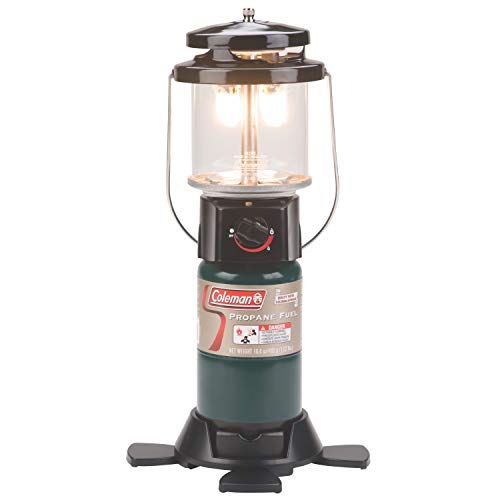
- Up to 1000 lumens and 23-meter reach
- Pressure regulator supports extreme conditions
- Runs up to 7.5 hours on high
Best For: Powerful propane lighting in demanding conditions
Versatile Two-Pack

- Two lanterns with up to 1000 lumens each
- Four modes plus stepless dimming
- IPX4 water resistance and dual hanging hooks
Best For: Groups and emergency kits needing two adjustable lights
Compact Rechargeable Choice
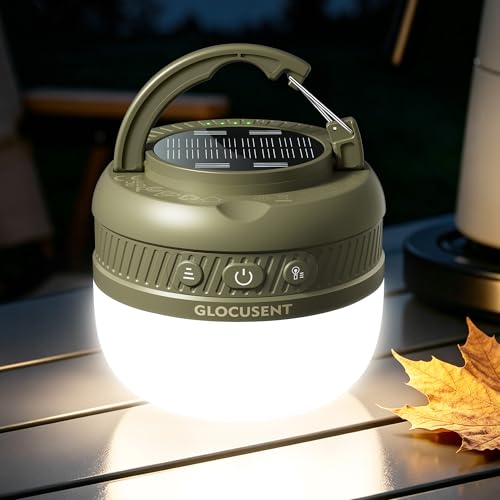
- 5000mAh battery with up to 120-hour runtime
- Solar support and reverse phone charging
- Lightweight, IPX5-rated, and SOS-equipped
Best For: Minimalist camping and emergency carry
Cold-Weather Emergency Reliability

- 500 lumens with 360-degree area illumination
- Up to 150 hours of runtime
- Impact resistant and IPX4 water resistant
Best For: Extended camping trips, power outages, and emergency kits
Waterproof Lightweight Pick

- 75 lumens with multiple brightness settings
- IP67 waterproof and dustproof
- Solar or USB rechargeable with up to 24 hours of light
Best For: Lightweight hiking, wet-weather camping, and emergency backups
Rechargeable Multi-Mode Workhorse

- Up to 200 hours of low-mode runtime
- Three color modes and five dimmable brightness levels
- SOS strobe and emergency phone charging
Best For: Multi-day camping, storm readiness, and campsite task lighting
Reliable Emergency Trio

- Up to 350 lumens of area light
- Four lighting and emergency modes
- Three battery-powered lanterns included
Best For: Campers needing multiple simple lanterns for camp and emergency use
Rechargeable Power Pick
Consciot 2-Pack Lantern Flashlights

- Six lantern, flashlight, and red-light modes
- USB-C rechargeable with power-bank function
- IPX4 water-resistant two-pack
Best For: Campers wanting versatile rechargeable lights for trips and emergencies
Solar Backup Kit
XTAUTO Collapsible Lantern 4-Pack

- USB and solar charging options
- 360-degree lantern and flashlight design
- More than 25 hours of stated runtime
Best For: Groups and emergency kits needing portable solar-rechargeable lighting
Reliable Battery Pick – Coleman LED Lantern
For camping lanterns for cold weather, this Coleman LED model is a practical choice when you want bright battery-powered light without relying on fuel. Its BatteryGuard technology helps preserve battery life, while the water- and impact-resistant build is suited to changing outdoor conditions.
Best For: Campers who want a bright, straightforward lantern for cold-weather trips, outages, and emergency kits.
Pros:
- Produces up to 1000 lumens with high, medium, low, and flashing modes.
- BatteryGuard technology helps prevent battery drain and corrosion during storage.
- Water-resistant and impact-resistant up to 2 meters.
- LED bulbs do not require replacement, and a 3-year limited warranty is included.
Cons:
- Requires alkaline batteries, which are not described as included.
- Its maximum beam distance is 16 meters, shorter than some larger lanterns.
This is a dependable all-purpose option for cold-weather camping when battery storage life, durability, and strong illumination matter more than rechargeable convenience.
Cold-Weather Fuel Power – Coleman Deluxe Propane Lantern
Among camping lanterns for cold weather, this propane model stands out for its pressure-control technology, which is designed to provide consistent performance in extreme conditions. It delivers up to 1000 lumens and runs for up to 7.5 hours on high with a 16.4-ounce propane cylinder.
Best For: Campers who prefer powerful propane lighting for extended stays and demanding outdoor conditions.
Pros:
- Provides up to 1000 lumens and casts light up to 23 meters.
- Pressure-control technology supports consistent performance in extreme conditions.
- High-temperature glass globe is designed to resist cracking from heat.
- Includes two Insta-Clip #21 mantles and has a collapsible base for storage.
Cons:
- Requires a 16.4-ounce propane cylinder, sold separately.
- Lights with matches rather than an integrated electronic ignition.
- At 3 pounds, it is heavier than the listed battery-powered alternatives.
This lantern is a strong fit when cold-weather reliability and long-distance illumination take priority, though its fuel, mantles, and match-based lighting add more setup than an LED lantern.
Versatile Two-Pack – Consciot 1000LM LED Lantern
For campers comparing camping lanterns for cold weather, this two-pack offers flexible lighting for tents, campsites, or emergency use. Each lantern reaches up to 1000 lumens, includes four modes with stepless dimming, and uses three D-cell batteries for a rated runtime of up to 12 hours at maximum brightness.
Best For: Families, groups, or emergency kits that need two adjustable lanterns with hanging options.
Pros:
- Includes two lanterns with up to 1000 lumens and 360-degree illumination.
- Offers cool white, warm white, combined white, strobe, and stepless dimming.
- IPX4 water resistance and shockproof, anti-slip materials suit rainy outdoor use.
- Top and bottom hooks allow carrying, tabletop use, or upside-down hanging.
Cons:
- Three D-cell batteries per lantern are required and not included.
- Maximum listed runtime is up to 12 hours, including at the 1000-lumen setting.
The Consciot pair is useful when you want distributed light and adjustable color options, but remember to pack six D-cell batteries for both lanterns.
Compact Rechargeable Choice – Glocusent 400H Lantern
This compact Glocusent lantern is a convenient option among camping lanterns for cold weather when low weight and rechargeable power are priorities. Its built-in 5000mAh battery can run for up to 120 hours, while the 3000K warm mode is designed to offer better penetration on foggy nights.
Best For: Lightweight campers, hikers, and emergency users who want rechargeable light with solar support and phone charging.
Pros:
- Weighs 5.4 ounces and fits in a pocket or backpack.
- Offers five stepless brightness levels, three color temperatures, and a red SOS mode.
- Runs for up to 120 hours and can be extended with its solar panel.
- IPX5 water resistance, 1-meter drop protection, and reverse charging add emergency versatility.
Cons:
- Its listed light output is lower than the 1000-lumen alternatives, despite a separate 1200-lumen detail listing.
- Solar charging depends on sunny conditions.
- It provides compact area lighting rather than the broadest high-output campsite illumination.
This is an appealing choice for minimalist cold-weather kits, especially when long runtime, multiple color temperatures, and emergency charging are more important than maximum brightness.
Cold-Weather Emergency Reliability – Energizer PRO-360 Lantern
For camping lanterns for cold weather, the battery-powered Energizer WeatheReady PRO-360 is a practical choice when you want bright, dependable illumination without relying on solar charging. Its 500-lumen output, 150-hour runtime, impact resistance, and IPX4 water resistance suit campsites, tents, and emergency kits.
Best For: Campers and households needing a bright, long-running lantern for storms, outages, or extended trips.
Pros:
- Produces up to 500 lumens with all-around room-filling illumination.
- Offers up to 150 hours of runtime, depending on battery and mode use.
- Impact resistant up to 1 meter with a shatterproof lens.
- Uses replaceable D or AA batteries and includes three lighting modes.
Cons:
- Requires batteries rather than offering built-in rechargeable power.
- IPX4 water resistance is intended for splashes, not full waterproofing.
This is a strong cold-weather preparedness option when long runtime and readily replaceable batteries matter more than compact size or USB charging.
Waterproof Lightweight Pick – LuminAID Nova Solar Lantern
The LuminAID Nova is a lightweight option among camping lanterns for cold weather, especially when wet conditions and pack space are concerns. It inflates for use, collapses for transport, and can recharge through solar power or micro USB, though solar charging requires direct sunlight.
Best For: Backpackers, hikers, and campers who prioritize waterproofing, low weight, and flexible recharging.
Pros:
- IP67 waterproof, dustproof, and shatterproof construction.
- Weighs only 5.3 ounces and collapses for easier packing.
- Provides up to 24 hours of light on a full charge.
- Supports solar charging and micro USB charging.
Cons:
- Its 75-lumen maximum is less powerful than the other listed lanterns.
- Solar recharging takes approximately 10 hours of direct outdoor sunlight.
The Nova works well as a compact backup or personal tent light, but campers needing broad, high-output illumination may prefer a brighter lantern.
Rechargeable Multi-Mode Workhorse – Glocusent 5000mAh Lantern
The Glocusent rechargeable lantern is built for campers who want high output, adjustable color temperatures, and long battery life from camping lanterns for cold weather. Its 5000mAh battery can run up to 200 hours on low, while the SOS function, phone-charging port, and hanging options add emergency versatility.
Best For: Multi-day campers, storm-preparedness kits, and anyone wanting a rechargeable lantern with task and emergency lighting modes.
Pros:
- Uses 135 LEDs for 360-degree illumination across about 201 square feet.
- Offers up to 200 hours on low and up to 12 hours at maximum brightness.
- Includes warm, neutral, and cool color modes plus dimmable brightness levels.
- Features SOS strobe lighting and a Type-C port for emergency phone charging.
Cons:
- The adapter is not included.
- The 1500-lumen super-bright mode is limited to approximately four minutes.
- IP45 protection is less robust than a fully waterproof rating.
With its extensive runtime and flexible controls, this is the most feature-rich choice here for longer trips, though users should protect it from heavy water exposure and bring a compatible power adapter.
Reliable Emergency Trio – Eveready 360 PRO 3-Pack
For campers who want straightforward, battery-powered camping lanterns for cold weather, the Eveready 360 PRO 3-pack offers bright area lighting in a collapsible design. Its multiple modes and carrying options also make it useful around camp or during power outages.
Best For: Campers and households that want three dependable lanterns with replaceable AA batteries and emergency signaling modes.
Pros:
- Produces up to 350 lumens of 360-degree area light.
- Offers area, directional, red flashing, and red SOS modes.
- Can sit, hang, or attach magnetically, and doubles as a handheld flashlight.
- Includes three lanterns and batteries.
Cons:
- Uses disposable 3 AA batteries rather than rechargeable power.
- IPX4 water resistance is not specified; the listing details call it not water resistant.
This is a practical choice when you value quantity, simple operation, and replaceable batteries. For wet or freezing excursions, protect it from exposure because the supplied specifications do not rate it as water resistant.
Rechargeable Power Pick – Consciot 2-Pack Lantern Flashlights
These rechargeable camping lanterns for cold weather combine lantern and flashlight functions in a compact, IPX4 water-resistant body. USB-C charging, six lighting modes, and power-bank capability make the two-pack useful for overnight trips and emergency kits.
Best For: Campers who want rechargeable lights that can also charge a mobile device and provide red emergency signaling.
Pros:
- Provides six modes, including front flashlight, side lantern, red light, and red SOS strobe.
- Built-in rechargeable battery charges through USB-C.
- Can serve as a power bank for mobile devices.
- IPX4 water-resistant design and a two-way hanging hook suit outdoor use.
Cons:
- Requires access to USB charging for routine recharging.
- IPX4 protection covers splashing water, not full submersion.
The Consciot pair is a flexible option for campers who prefer rechargeable gear and want both broad lantern light and a focused beam. Its lightweight design and two-pack format are convenient for sharing or keeping a backup nearby.
Solar Backup Kit – XTAUTO Collapsible Lantern 4-Pack
For off-grid trips, these camping lanterns for cold weather offer collapsible storage, USB and solar charging, and broad 360-degree illumination. The four-pack is especially useful when several tents, rooms, or emergency areas need light.
Best For: Groups and preparedness kits that want lightweight lanterns with solar backup and extended stated runtime.
Pros:
- Provides adjustable 360-degree lighting and also works as a flashlight.
- Charges by USB or solar power.
- Collapses compactly and includes folding handles for hanging.
- Rated for more than 25 hours of lighting when fully charged and described as waterproof, heat-resistant, and freeze-resistant.
Cons:
- Solar charging depends on available sunlight.
- The supplied notes do not specify a lumens rating.
This four-pack stands out for redundancy and charging flexibility, particularly when cold-weather outings or outages make access to power uncertain. Its compact collapsible form also makes it easy to distribute throughout a campsite.
How We Picked the Best Camping Lanterns for Cold Weather
We evaluated these lanterns by looking at the features that matter most when temperatures drop: power-source reliability, brightness control, portability, weather resistance, charging flexibility, and usefulness around a tent or campsite. The selection includes battery-powered, propane, rechargeable, solar, inflatable, and multipack designs so different campers can match a lantern to their trip style.
For cold-weather use, we gave extra consideration to models with replaceable batteries, multiple charging options, durable housings, water resistance, dimming, and backup-light functionality. Product claims such as runtime and brightness can vary with temperature, settings, battery age, and weather, so treat manufacturer figures as best-case estimates.
Quick Comparison
| Type | Best For | Main Advantage | Potential Trade-Off |
|---|---|---|---|
| Battery LED | General camping and emergencies | Simple operation and easy storage | Disposable batteries may lose capacity in severe cold |
| Propane | Extended base-camp lighting | Strong output without rechargeable batteries | Requires fuel and careful ventilation |
| Rechargeable | Frequent campers | Lower ongoing battery cost | Must be charged before departure |
| Solar or inflatable | Travel and backup use | Lightweight, compact, and versatile | Charging depends on available sunlight |
| Multipack | Families and group camps | Multiple lights for tents and gear areas | Individual lights may be less powerful |
Key Buying Factors for Camping Lanterns for Cold Weather
Power Source and Cold-Weather Performance
Choose replaceable batteries if you want a dependable backup and can carry spares in an insulated pocket. Rechargeable lanterns reduce waste and are convenient, but keep them warm and fully charged. Propane lanterns can provide consistent high output, although they need fuel, ventilation, and careful handling.
Brightness, Modes, and Runtime
Look for adjustable brightness rather than focusing only on maximum lumens. High output is useful around camp, while a low setting preserves power inside a tent. Red, warm, or low-glare modes can also be more comfortable at night. Remember that brighter settings shorten runtime.
Weather Resistance and Durability
Water resistance helps with condensation, drizzle, and accidental splashes, but it does not necessarily mean a lantern is waterproof or safe to submerge. Check the stated rating, protect charging ports, and avoid exposing any fuel-burning lantern to wet conditions or poor ventilation.
Size, Charging, and Emergency Features
A compact lantern is easier to pack, while a larger model may provide better area lighting. USB charging, solar support, flashlight modes, hanging hooks, and battery indicators can add practical value. In freezing conditions, store batteries and electronics inside your sleeping area when possible.
Who Should Buy Which Camping Lanterns for Cold Weather?
Choose a battery-powered LED model for straightforward family camping, emergency kits, or occasional use. A propane lantern suits campers who prioritize strong, sustained light at a base camp and are comfortable managing fuel safely. Rechargeable models are a good fit for frequent campers who can recharge between trips, while solar or inflatable designs work well as lightweight backup lights for hikers and travelers.
If you need lighting for several tents, cooking areas, or a power outage, consider a multipack. For the most reliable cold-weather setup, pair a primary lantern with a separate backup light and carry spare batteries or an alternate charging method.