Finding the right arm bike for home use depends on more than pedal motion. Resistance control, stability, portability, and comfortable positioning all affect how practical an exerciser will be for rehabilitation, gentle conditioning, or everyday movement.
This roundup compares 10 options, from tabletop arm cycles and under-desk pedal exercisers to recumbent bikes with built-in arm exercisers, so you can match the equipment to your space, mobility needs, and workout goals.
Best 10 Arm Bikes for Home Use Picks for 2026
Best Full-Body Option
WFLGFT Recumbent Bike With Arm Exerciser
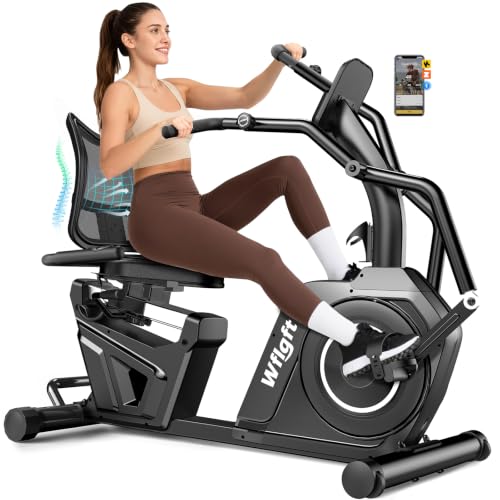
- Arm and leg movement can be used together or separately
- 16 magnetic resistance levels and a 450-pound frame capacity
- Recumbent comfort with LCD tracking and Bluetooth app support
Best For: Adults and seniors seeking supported full-body home workouts
Best Portable Pick
RYGEO Foldable Arm and Leg Pedal Exerciser

- Compact foldable frame fits under most desks
- Fully assembled with a simple resistance knob
- Designed for low-intensity arm and leg cycling
Best For: Seniors and desk users needing convenient light exercise
Best for Rehab Stability
Compact Suction-Base Arm Cycle

- Suction base is designed for stability on smooth surfaces
- Adjustable tension supports gentle arm rehabilitation
- Lightweight, compact, and ready to use without assembly
Best For: Tabletop arm therapy and controlled mobility exercises
Best With Workout Tracking
Foldable Pedal Exerciser With LCD
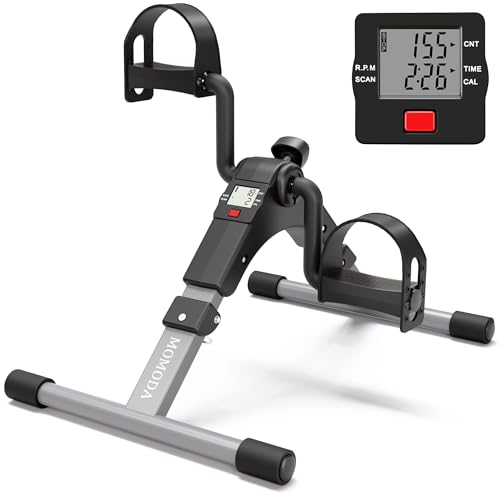
- LCD tracks time, count, RPM, calories, and scan data
- Five manual resistance levels for light workouts
- Foldable and portable for home or office use
Best For: Users wanting compact arm-and-leg exercise with basic tracking
Most Stable Clamp-On Pick

- Clamp fits tabletops 0.4–1.95 inches thick
- Adjustable manual resistance
- Metal frame with silicone-padded clamp
Best For: Stable tabletop arm and shoulder exercise
Best Versatile Under-Desk Option
Foldable Arm and Leg Pedal Exerciser

- Works for arm or leg pedaling
- LCD tracks key workout metrics
- Folds for compact storage
Best For: Light movement at home or in the office
Best Portable Suction-Cup Pick

- Dual suction cups secure smooth surfaces
- Forward and reverse rotation
- Cordless, compact, tool-free setup
Best For: Portable tabletop arm and shoulder exercise
Best Full-Body Recumbent

- Dual-action handles work arms and legs together
- Eight magnetic resistance levels
- 380-pound capacity with padded backrest
Best For: Comfortable, low-impact full-body workouts at home
Best for Tabletop Therapy

- Clamp secures to compatible tabletops
- Adjustable manual resistance
- Lightweight 3.3-pound metal construction
Best For: Seated arm and shoulder rehabilitation in small spaces
Best Seated Value

- Coordinates upper- and lower-limb movement
- LCD tracks time, distance, swings, and calories
- Stable steel-tube base with four corner feet
Best For: Gentle seated exercise for seniors and recovery routines
Best Full-Body Option – WFLGFT Recumbent Bike With Arm Exerciser
For shoppers comparing arm bikes for home use, this recumbent model is the most substantial option in the group. It combines arm and leg movement, 16 magnetic resistance levels, an adjustable seat, and a supportive backrest for low-impact cardio or home rehabilitation workouts.
Best For: Adults and seniors who want supported, full-body exercise with adjustable intensity.
Pros:
- Combines synchronized arm and leg exercise, or allows either to be used separately
- 16 magnetic resistance levels support recovery, cardio, and endurance training
- 450-pound frame capacity, padded seat, breathable backrest, and adjustable foot straps
- LCD monitor, pulse sensors, Bluetooth app support, and quiet operation
Cons:
- Its recumbent design takes substantially more space than a mini pedal exerciser
- Assembly is required, unlike the smaller ready-to-use arm cycles
This is the strongest choice when stability, comfort, and full-body movement matter more than portability. Its larger frame and seated design make it especially practical for longer home sessions and gentle rehabilitation routines.
Best Portable Pick – RYGEO Foldable Arm and Leg Pedal Exerciser
This RYGEO mini exerciser is a practical choice among arm bikes for home use when portability and simple operation are priorities. Its manual resistance knob, foldable frame, and fully assembled design make it easy to use at a desk or move between rooms.
Best For: Seniors, office workers, and users seeking light arm or leg cycling in a compact format.
Pros:
- Supports low-intensity arm and leg workouts for mobility and strengthening
- Foldable, lightweight design fits under most desks and stores easily
- Arrives fully assembled with an accessible resistance knob
- Adjustable pedal straps help keep feet positioned during use
Cons:
- Offers manual resistance adjustment rather than multiple numbered levels
- Designed for low-intensity exercise rather than demanding cardio sessions
Choose this model if you need a straightforward, space-saving pedal exerciser for light movement during work or at home. It is particularly convenient for users who do not want a complicated setup.
Best for Rehab Stability – Compact Suction-Base Arm Cycle
For focused upper-body rehabilitation, this compact arm cycle stands out among arm bikes for home use. Its suction base is designed for smooth surfaces, while the adjustable tension knob provides gentle-to-moderate resistance for controlled circular movement.
Best For: Stroke recovery, post-surgery shoulder rehabilitation, arthritis-related mobility work, and users with limited strength.
Pros:
- High-adhesion suction cup helps stabilize the unit on smooth tables
- Adjustable resistance supports gentle mobilization through moderate training
- Compact, lightweight, and ready to use without assembly
- Non-slip ergonomic handles and quiet, smooth rotation suit longer sessions
Cons:
- Suction stability is intended for smooth surfaces such as glass, marble, or polished wood
- Focuses on arm cycling rather than combined arm-and-leg exercise
This is the most specialized option for table-based arm rehabilitation. Its small footprint and no-assembly design are useful in apartments or care settings, provided you have a compatible smooth surface for the base.
Best With Workout Tracking – Foldable Pedal Exerciser With LCD
This foldable pedal exerciser offers a balanced feature set for shoppers seeking arm bikes for home use or under-desk exercise. It supports both arm and leg movement, includes five resistance levels, and adds an LCD monitor for tracking basic workout metrics.
Best For: Home or office users who want a compact exerciser with simple performance feedback.
Pros:
- Can be used for low-impact arm or leg exercise
- LCD displays time, count, RPM, calories, and scan data
- Five resistance levels accommodate warmups and recovery exercise
- Quick-fold design is lightweight and easy to store or move
Cons:
- Uses battery power for the LCD monitor
- Its 50-pound maximum weight recommendation limits heavier users
- Manual resistance provides fewer levels than the larger recumbent bike
This model is a sensible middle ground for buyers who want portability without giving up basic workout tracking. It works well for light sessions at a desk or in a small home exercise area.
Most Stable Clamp-On Pick – Adjustable Desktop Arm Bike
For shoppers comparing arm bikes for home use, this tabletop model stands out for its clamp-based installation. It attaches to desks or tables from 0.4 to 1.95 inches thick, with adjustable manual resistance for lighter rehabilitation sessions or more demanding arm exercise.
Best For: Users who prioritize a firmly secured tabletop setup for arm and shoulder workouts or rehabilitation.
Pros:
- Desktop clamp is designed to resist sliding during use.
- Resistance adjusts with a tension knob.
- Ergonomic, sweat-resistant handle supports a comfortable grip.
- Metal construction and a silicone-padded clamp help support durability and surface protection.
Cons:
- Compatible only with tabletops between 0.4 and 1.95 inches thick.
- Offers two resistance levels rather than a broad range.
- The fixed handle may provide less hand-position flexibility.
This is a practical choice when stability matters more than portability. Its clamp design should appeal to rehabilitation users who want a predictable setup, while the manual resistance adjustment allows the same unit to support gentler or more active sessions.
Best Versatile Under-Desk Option – Foldable Arm and Leg Pedal Exerciser
This foldable pedal exerciser is a flexible option among arm bikes for home use, since it can support both hand and foot pedaling. Its LCD display tracks workout time, count, speed RPM, and estimated calories, while adjustable resistance lets users choose a gentler or more active pace.
Best For: Home or office users who want one compact machine for light arm and leg movement.
Pros:
- Supports both arm workouts and leg exercise.
- LCD monitor displays time, count, speed RPM, and estimated calories.
- Foldable design is convenient for storage in small spaces.
- Adjustable pedal straps and resistance improve flexibility of use.
Cons:
- Its pedal-based design may be less specialized for upper-body rehabilitation than a dedicated arm bike.
- Manual operation provides no powered assistance.
- The listed dimensions are larger than some compact tabletop arm exercisers.
Choose this model if versatility and tracking features are high priorities. It is especially useful for desk-based routines, but shoppers seeking a dedicated arm-and-shoulder therapy format may prefer a purpose-built tabletop unit.
Best Portable Suction-Cup Pick – Tabletop Arm Bike for Therapy
This portable tabletop arm bike offers a tool-free way to add upper-body movement at home. Its dual suction cups secure it to smooth, flat surfaces, while the rotary knob adjusts resistance and the crank supports both forward and reverse rotation.
Best For: Users who want a compact, cordless arm and shoulder exerciser for smooth countertops or tabletops.
Pros:
- Dual suction cups attach to smooth, flat surfaces.
- Resistance adjusts with a top-mounted rotary knob.
- Forward and reverse rotation support varied movement.
- Compact, tool-free, cordless design is easy to store.
Cons:
- Suction attachment is intended for smooth, flat surfaces rather than every tabletop.
- It may be less suitable for textured or uneven surfaces.
- The supplied notes do not specify a number of resistance levels.
This model is a good fit for shoppers who value portability and simple setup. The suction base and small footprint make it convenient for home use, provided the chosen surface is smooth enough for secure attachment.
Best Full-Body Recumbent – Quiet Arm Bike for Home Use
For shoppers seeking arm bikes for home use with comfortable seated positioning, this ECHANFIT recumbent bike combines dual-action arm handles with pedal-driven lower-body exercise. Its magnetic resistance and supportive frame suit gentle daily workouts as well as more challenging cardio sessions.
Best For: Users who want a stable, low-impact full-body workout, including seniors, rehabilitation users, and households needing a higher-capacity recumbent bike.
Pros:
- Combines arm and leg movement for a full-body workout.
- Eight magnetic resistance levels provide adjustable intensity.
- Wide padded seat, backrest, and adjustable sliding seat improve comfort.
- Backlit LCD tracks time, speed, distance, calories, odometer, and pulse.
Cons:
- At 62.2 pounds, it is less portable than compact pedal exercisers.
- Its larger recumbent frame requires more floor space.
- The display is battery powered rather than rechargeable.
This is the most substantial option in the group, offering the comfort and stability of a recumbent frame plus arm exercise. Choose it if you prioritize a quiet, adjustable, full-body machine over easy storage.
Best for Tabletop Therapy – Compact Arm Bike for Home Use
This compact arm bike for home use is designed for seated upper-body exercise at a tabletop. Its clamp-mounted metal frame stays secured to desks between 0.4 and 1.95 inches thick, while the manual tension knob lets users adjust the pedaling challenge.
Best For: Seniors, rehabilitation users, and anyone needing a portable arm and shoulder exerciser for tabletop workouts.
Pros:
- Desktop clamp helps prevent sliding during use.
- Adjustable resistance supports gentle rehabilitation or more demanding arm exercise.
- Compact 3.3-pound design is easy to move between locations.
- Silicone clamp padding helps protect the tabletop surface.
Cons:
- It requires a compatible tabletop thickness of 0.4 to 1.95 inches.
- It provides upper-body exercise only, not a combined arm-and-leg workout.
- Manual operation has no digital workout display.
With its stable clamp and straightforward resistance adjustment, this model is a practical choice when space is limited or upper-limb training is the main goal. Check your table dimensions before ordering.
Best Seated Value – Arm and Leg Pedal Exerciser
For a simple seated option among arm bikes for home use, this pedal exerciser supports coordinated arm-and-leg movement without electricity. The low-impact design is intended for seniors and users working on mobility, strength, circulation, or recovery while seated.
Best For: Seniors and users who want gentle, seated upper- and lower-limb exercise with basic progress tracking.
Pros:
- Supports synchronous arm-and-leg and cross-body movement.
- LCD monitor displays time, distance, swing count, total swings, and calories.
- Thickened steel tubing and four corner feet provide a stable base.
- Pedal-powered operation does not require an electrical outlet.
Cons:
- It offers less resistance-control detail than the magnetic recumbent bike.
- The 15.4-pound unit is portable but less compact than the tabletop arm bike.
- The LCD requires one AAA battery.
This exerciser emphasizes accessible, low-impact movement rather than high-intensity training. It is a sensible fit for seated daily activity and basic rehabilitation support, especially when combined arm-and-leg motion is preferred.
How We Picked the Best Arm Bikes for Home Use
We focused on the features that matter most in a home setting: adjustable resistance, stable operation, compact storage, ease of setup, readable tracking, and suitability for different fitness or rehabilitation needs. The selection includes tabletop arm bikes, foldable pedal exercisers, and full recumbent bikes with arm-crank components.
Because product specifications and user needs vary, treat medical or rehabilitation claims carefully. Anyone recovering from an injury or managing a condition should confirm that the motion and resistance level are appropriate with a qualified clinician.
Quick Comparison
| Type | Best For | Main Advantage | Potential Trade-Off |
|---|---|---|---|
| Tabletop arm bike | Arm and shoulder exercise | Compact and focused | Requires a secure table or desk |
| Under-desk pedal exerciser | Light movement while seated | Works for arms and legs | May shift during harder workouts |
| Foldable pedal exerciser | Small homes and occasional use | Easy to store and transport | Usually has a lighter-duty feel |
| Recumbent bike with arm exerciser | Full seated workouts | Offers back support and broader training | Needs more floor space and costs more |
Key Buying Factors for Arm Bikes for Home Use
Resistance and Motion
Look for smooth, adjustable resistance rather than a single fixed level. Lower settings are useful for beginners and gentle mobility work, while stronger settings provide more conditioning. A reciprocating arm motion can feel different from a rotating hand-cycle motion, so consider which movement feels most comfortable.
Stability and Setup
Tabletop models should have a dependable clamp, wide base, or strong suction system. For floor use, check for non-slip feet and a frame that stays planted while pedaling. A lightweight unit is convenient, but very light models can move more easily during exercise.
Size, Storage, and Tracking
Measure the available space, including clearance for your knees, elbows, and handles. Foldable designs are helpful in apartments or shared rooms. An LCD monitor can track time, revolutions, or estimated calories, but these figures are best used for comparing sessions rather than measuring exact energy expenditure.
Comfort and Accessibility
Check whether the pedals, handles, and resistance control are easy to reach. Seniors or users with limited mobility may benefit from a seated design, simple controls, and a stable chair or back-supported frame. Straps can help keep feet or hands positioned securely.
Who Should Buy Which Arm Bikes for Home Use?
Choose a tabletop arm bike if your priority is seated arm, shoulder, or rehabilitation exercise and you have a sturdy surface available. These models are generally the most focused and space-efficient.
Choose an under-desk or foldable pedal exerciser if you want flexible arm-and-leg movement while seated, especially for light activity at home or in an office. Prioritize stability if you expect to use higher resistance.
Choose a recumbent bike with an arm exerciser if you want a more complete low-impact workout with back support and have enough room for a larger machine. It is the better fit for regular cycling sessions, though it is less portable.
Choose a senior- or rehab-oriented model when simple controls, low resistance, and secure positioning matter more than maximum intensity. Start slowly and stop if you experience pain, dizziness, numbness, or unusual discomfort.